 Cranberry Tart is a beautiful dessert that can be served year-round. But I thought it particularly appropriate for Valentine’s Day…even though the only chocolate in it is the white chocolate I sprinkled on top (which doesn’t really count).
Making this tart was my excuse to finally purchase a tart pan. It’s not absolutely necessary, but it does make a pretty presentation with the fluted edges. However, a 9″ regular pie dish (like Pyrex) will work fine. By the way, I didn’t grease the pan and the tart still released perfectly.
CRANBERRY TART
Crust:
- 79g (2/3 cup) slivered almonds
- 33g (3 T) granulated sugar
- 1/8 tsp salt
- 152g (1¼ cup or 5¼ oz) all-purpose flour (it’s always better to weigh, if you can)
- 140g (10 T) butter, soft
- 1/2 tsp almond extract
Preheat oven to 375º Fahrenheit.
Toast almonds either in the oven or a dry skillet until lightly browned. Let cool.
Place almonds, sugar, flour, and salt in the food processor with the steel blade. (You can use the blender, but you’ll have to mix the rest by hand or with an electric mixer.) Pulse until the almonds are a fine crumb – about 8 pulses.  Add in softened butter and almond extract. Pulse until mixture clumps together.
  Place a 9″ tart pan on a cookie sheet – this is important since tart pans have a removable bottom and you don’t want to accidentally push it up when you lift the filled tart. (You don’t need the cookie sheet if you’re using a regular pie plate.) Scatter pieces of the dough around the tart pan (or regular 9″ pie pan), putting more near the edges.
  With fingers, press down the dough starting with the sides so it evenly covers the sides all the way up the top, and the bottom of the pan. Pay special attention to the corners – push them in so you have a nice sharp inside edge with more room for the filling.
 Place a piece of waxed paper over crust and fill with pie weights, uncooked beans, or rice. Bake in preheated 375º F for 12 minutes. Remove waxed paper and weights by bringing corners together and carefully rocking it out – you don’t want the crust to stick to the paper. (If some of it does stick to the waxed paper, scrape it off and replace it in crust.)
Continue to bake the now-uncovered crust for another 5 minutes or so until lightly browned. Carry the cookie sheet with the tart pan on top to a rack and completely cool.
Filling:
NOTE: As Queen of Freeze, I encourage you to freeze the unused egg whites from the required egg yolks in the filling for future use. Waste not, want not!!!
SECOND NOTE: I wanted a deeper red color but don’t like to use commercial food colorings. So I made my own red coloring using a red beet. It’s quick to do and doesn’t affect the flavor of the curd. But, you don’t need to color the filling – it’s a pretty pink on its own – or you can use purchased coloring, if you want.
- optional for deeper red color: 1 red beet
- 12 oz cranberries (either fresh or frozen), rinsed
- 1 cup granulated sugar
- 1/8 tsp salt
- 1/4 cup pomegranate juice (I use Pom)
- 2 T lemon zest
- optional: 2 tsp beet juice extracted from the beet
- 8 T butter, cold and cut into pieces
- 2 eggs, whole
- 2 yolks
Preheat oven to 350º Fahrenheit.
If you want to make a deeper red colored tart: wash, peel, and roughly chop beet. Place in a small saucepan with about 1/2 cup of water. Bring to boil and cook, uncovered, until water (which is now red) boils down to about 2 teaspoons. Let cool. In another saucepan, combine the cranberries, sugar, salt, pomegranate juice, and lemon zest. Bring to a boil and cook until the cranberries start to pop – about 5 minutes. Remove from heat.
 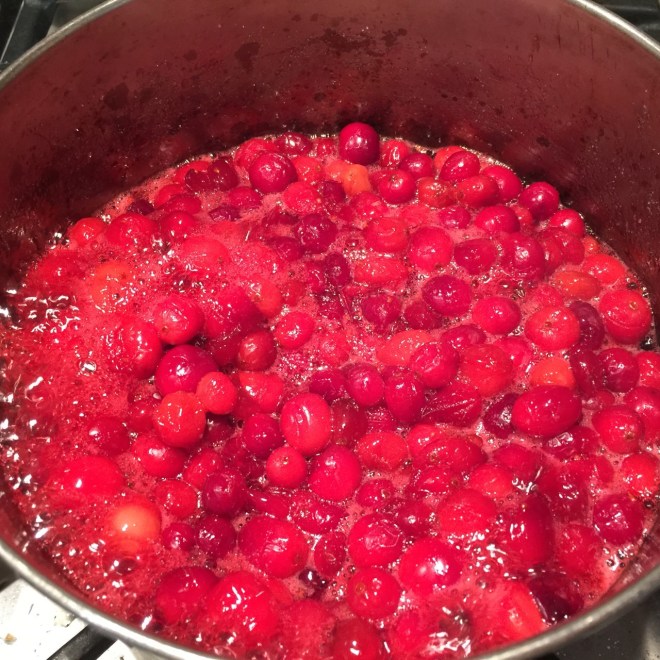 Note: Possible suggestion (although I haven’t tried this): To eliminate the above step of separately boiling the beet, try quartering the peeled beet (so you can find them easier), and add them to the cranberries before boiling. Then remove the 4 beet pieces before running the cranberries through the food mill.
Place butter in a medium sized bowl. Set food mill or strainer on top of bowl and pour cranberry mixture through the food mill or strainer. Extract as much liquid as you can. The hot liquid will melt the butter and cool down the liquid. 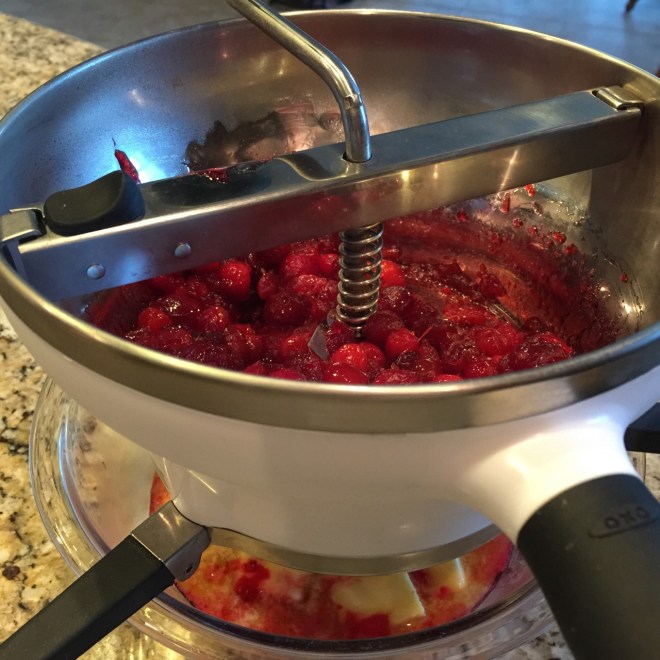 Beat the whole eggs and yolks together in a small bowl, then slowly whisk into the cranberry mixture. Add beet juice (if using).
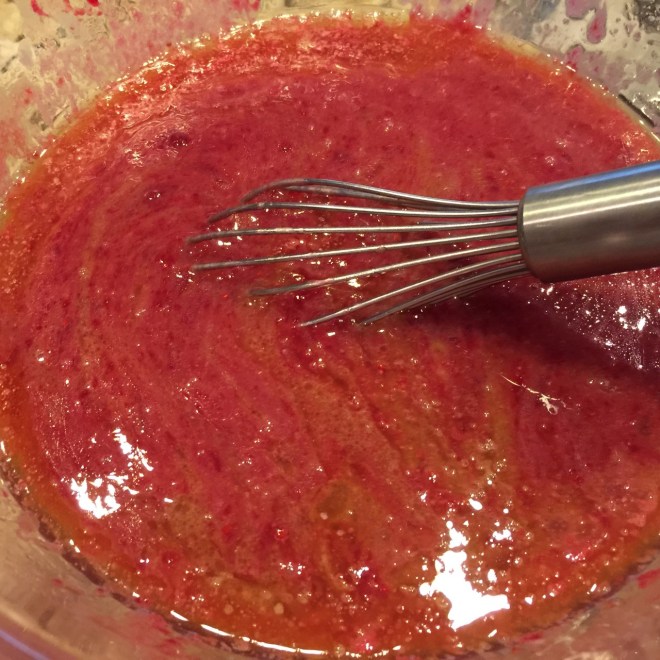 Clean out the saucepan you used for cooking the cranberries. Pour the filling through a strainer (to remove any bits from the egg and/or cranberries) into the empty saucepan. This takes some time since it’s thick! You don’t HAVE to do this step, but the curd is silkier if you remove the bits. You can see what would have been left in the curd if I hadn’t strained.
 Over medium heat, cook until thickened, stirring often – about 5 minutes.
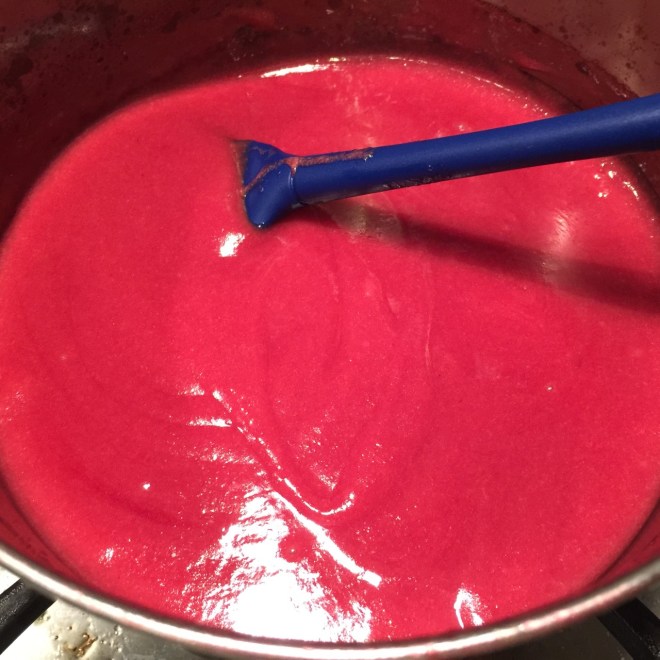 When oven is preheated, pour filling into cooled crust. (Make sure tart pan is still sitting on a cookie sheet – you really don’t want to chance pushing up on the bottom!)
Bake at 350º F about 8 minutes, until center 3″ is still jiggly but sides are firm. Don’t wait until center is firm or it’ll be overcooked. Remove from oven. 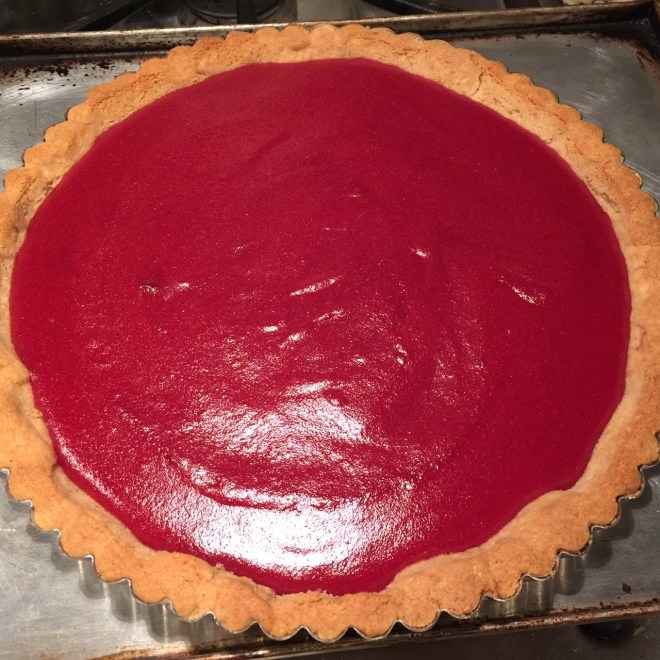 While tart is still hot, remove tart pan side by very carefully scooting the tart pan from the cookie sheet onto a wide can or bowl. (Make sure the diameter of the bowl is smaller than the tart pan opening.) Gently press down on tart pan edge and it should fall right down. Don’t move the tart yet – let it completely cool before moving it.
 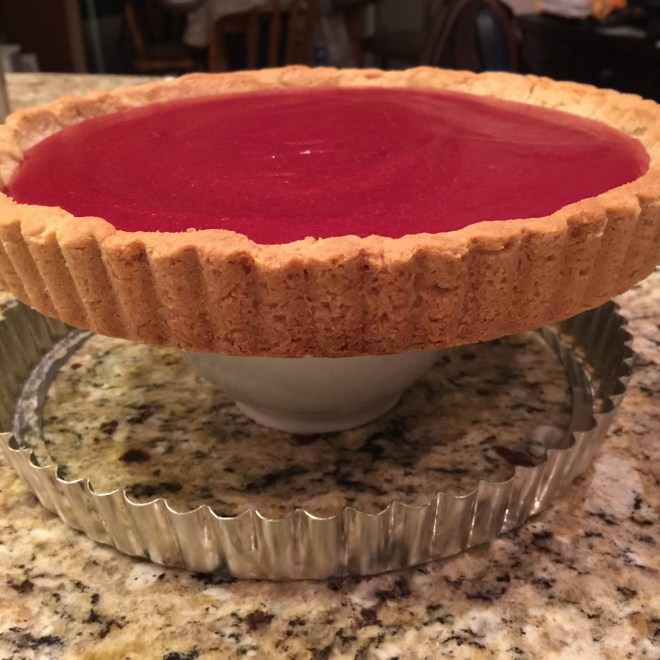 Once tart is completely cooled, remove tart pan base – it may crack if it’s still warm. To remove base, run a thin, long implement (or maybe unflavored dental floss – I haven’t tried that, though) between crust and tart pan bottom. Carefully, nudge tart onto a serving plate.
Chill at least 6 hours. Making it the day ahead is best.

 Saints be praised, St. Patrick’s Day is just around the corner, sure.
 When the oven is preheated, remove skillet from oven and oil it. (Oil the cake pan, if you’re using that.)
 Pile the batter into the hot skillet, pushing it all the way into the corners but mounding the batter into a dome. (Only the bottom portion of the batter should touch the sides of the pan – this will create a higher loaf.)
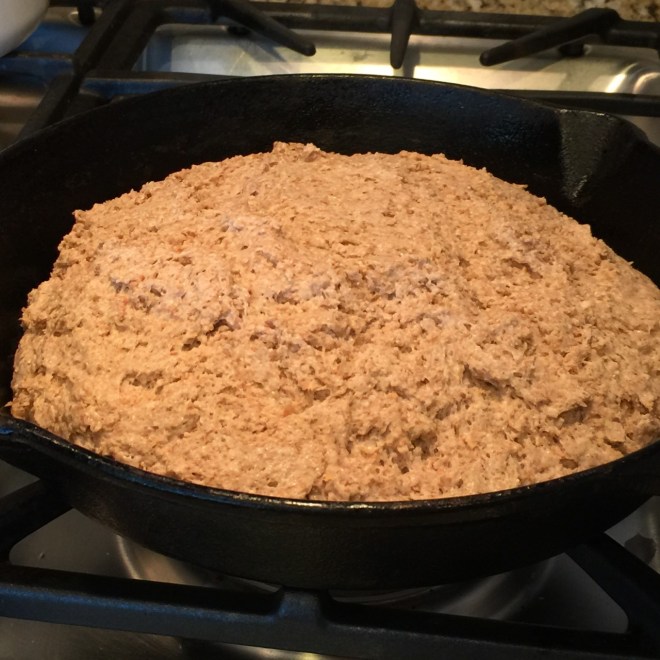 Slash top to make an ‘X’, 1/2″ deep and 5″ long.
 Bake in the preheated 375º F oven until interior temperature of the bread is 185º F – about 35-45 minutes. If you don’t have a thermometer, look for a golden brown top after 35 minutes.
 Remove hot loaf from skillet and cool at least an hour on a wire rack. Delicious with butter or jam.
 Caldo Verde is a hearty Portuguese soup that is very quick to prepare. It can be made with or without sausage. (There are fabulous fake sausages available everywhere!)
 In a large saucepot heat 1/2 T olive oil over medium/high heat. Add in the onions, salt, garlic, red pepper flakes, and black pepper. Sauté 3-4 minutes, until onions are translucent.
  Add in the potatoes and water. Increase heat to bring to a boil, then decrease heat to maintain a simmer. Cook, uncovered, until potatoes are tender when pierced – about 8-10 minutes.
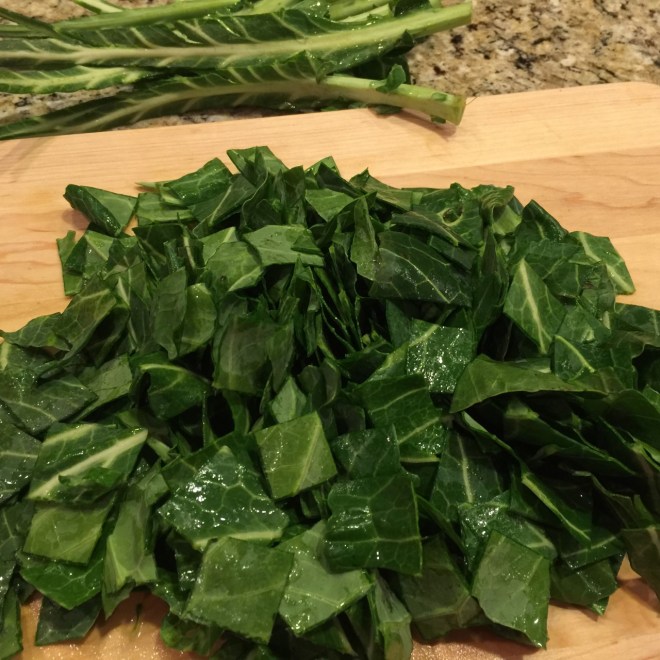
  While soup is cooking, cut up the collards. First, remove and discard the center stem.
  Then cut the greens into 1″ pieces.
  When potatoes are cooked, remove 1/2 cup of the solids and 1/2 cup of the liquid to a blender. Don’t blend yet.
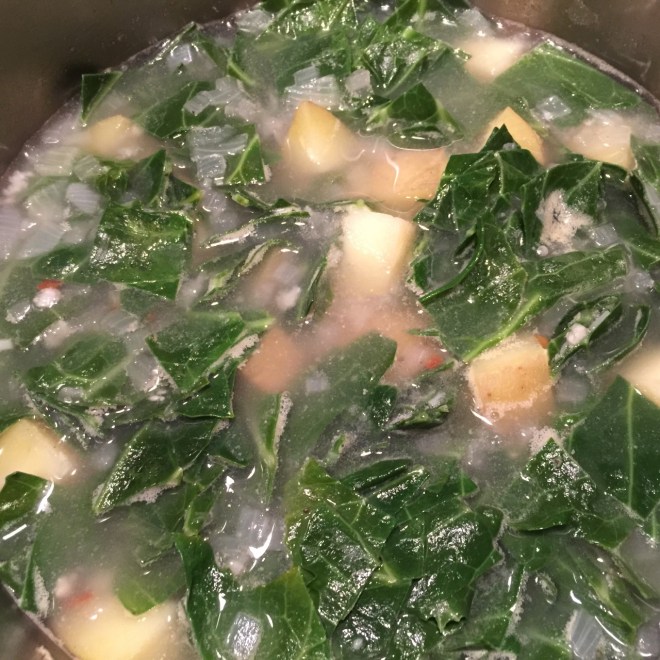 Start the blender and slowly drizzle in the remaining 1½ T olive oil. When it’s all added, continue to blend for 1 minute.
  Pour into soup. Add in the sausage (if using), vinegar, Worcestershire Sauce, and lemon juice. Adjust seasoning, as needed. (I add another 1/4 tsp salt and 1/8 tsp pepper.)
 Let me say right off the bat, this is an EXTREMELY easy recipe. Honestly! Yes, it involves making those ultra thin pancakes that wrap the stir-fry, but I promise, you can do it!!!
 On a well-floured board, roll dough into a 12″ log.
  Slice into 12 pieces.
  Using floured fingers, pat each piece into a 3″ disc.
  Generously brush 6 of the discs with the sesame oil (you may have some left over).
 Place each dry disc on top of an oiled one, creating a kind of sandwich.
 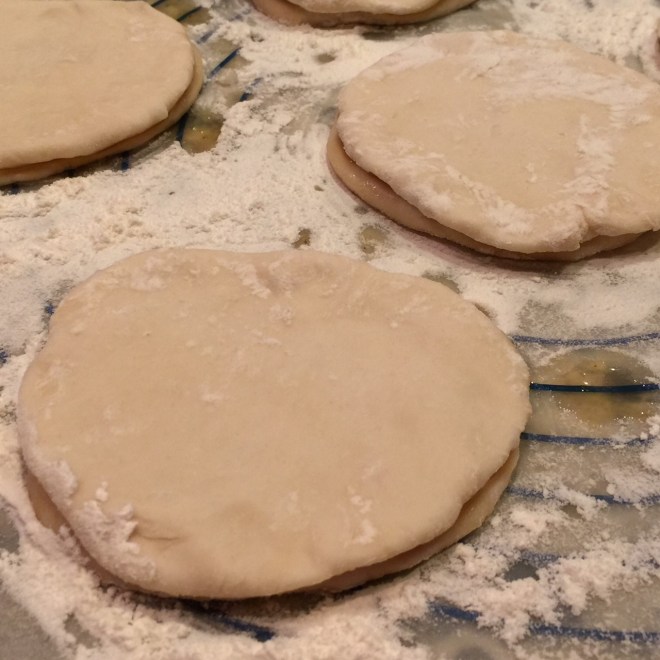 Roll each of these into a 6″-ish circle.
 Remove to a tea towel to let cool a few seconds. Then, carefully split apart the pancakes.
 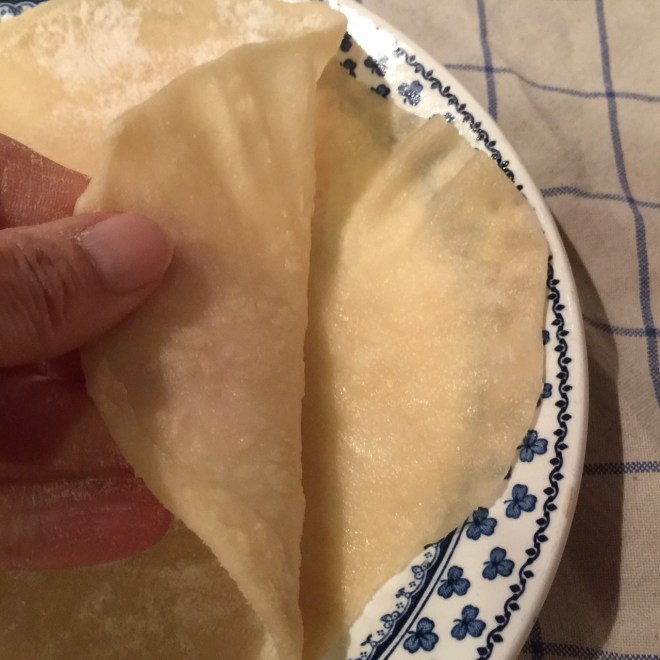 Stack them, oiled side up. Carry on with the remaining circles. (You may not need to oil the pan with each new pancake, depending on the non-stick ability of your skillet – I put in a little vegetable oil every other one.) Keep warm in the wrapped tea towel until ready to use.

 Prepare teriyaki sauce: In a small saucepan, combine the Mirin and cornstarch, smooshing out any lumps.
  Add in the soy sauce, sugar, ginger, garlic, and sesame oil. Cook over medium heat until thickened. Set aside.
  Note: You only need 1/4 cup of the teriyaki sauce for the Moo Shu. Store remainder in refrigerator.
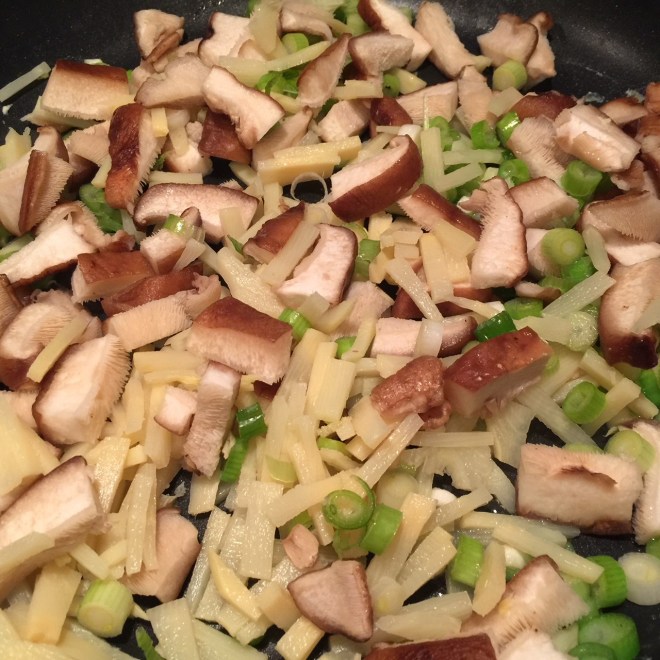 Drain the mushrooms over a container.
 Add 1/3 cup of this mushroom water to the skillet, along with the cabbage and drained mushrooms. Cook on high for another 2 minutes.
 Pour all of the stir-fry mixture into a colander or sieve, discarding the drained liquid.
 Add in the drained veggies and the 1/4 cup teriyaki sauce. Blend together and heat through.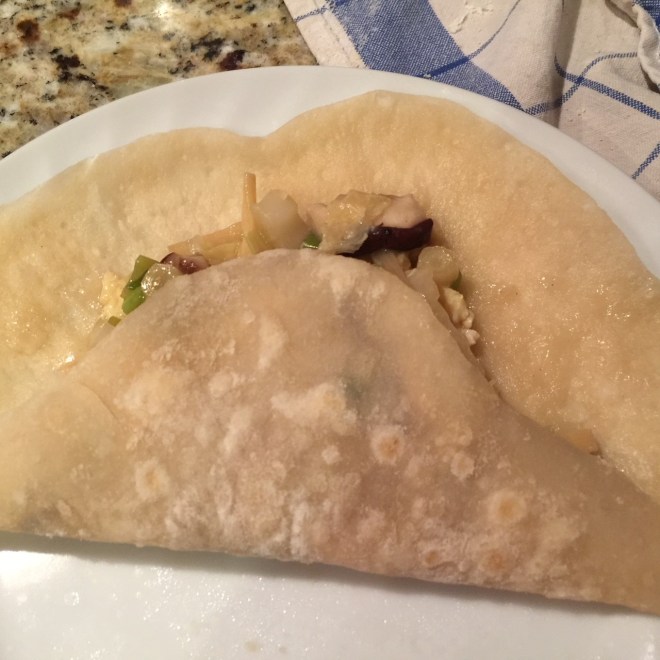

 I love roasted vegetables! Their flavor comes to life, enhanced by the sweet caramelization process. Add to that the slight crispiness. Yum!!!
 Slice the body and neck in half lengthwise (yikes!) and remove seeds and fibres. Cut the four halves into 1/2″ pieces.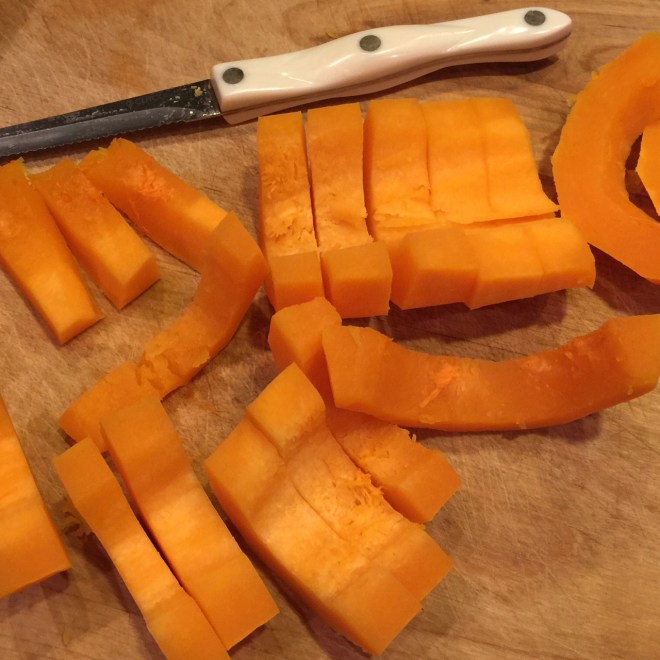
 Lay butternut squash pieces in a single layer on a rimmed baking sheet. Bake in preheated oven for 30-40 minutes, until bottoms are browned. Flip pieces and bake another 10-15 minutes, until well browned on both sides.
  While squash is baking, coarsely chop hazelnuts. In a small skillet or saucepan, melt remaining 2 T butter. Add in chopped nuts and sauté over medium/high heat. Stirring constantly, cook until nuts are browned – about 2 minutes. (The butter will be bubbly at first.)
 Remove from heat and stir in the 1 T water. Let cool a little, then add in the lemon juice and a pinch of salt.
  When squash is cooked, place slices into a mixing bowl (I use the same one from before). Gently stir in the hazelnuts and butter. Sprinkle on chives. Serve while hot.
 Mashed potatoes can get a little boring. True, they’re filling, easy, cheap, and everyone likes them. But, maybe it’s time to add in mashed parsnips…you know, to shake things up a bit.
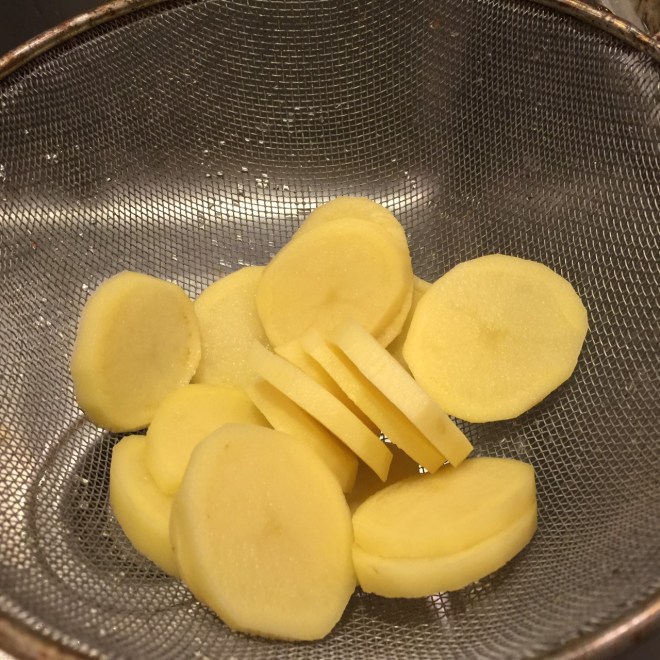
 Place potato slices in strainer and rinse well to remove excess starch. Let drain.
  When parsnips have browned, add potatoes to the pot. Cover, decrease heat to low, and cook about 20 minutes – until potatoes are tender. Uncover pot and let set 2 minutes to allow steam to escape.
 Mash mixture until smooth.
 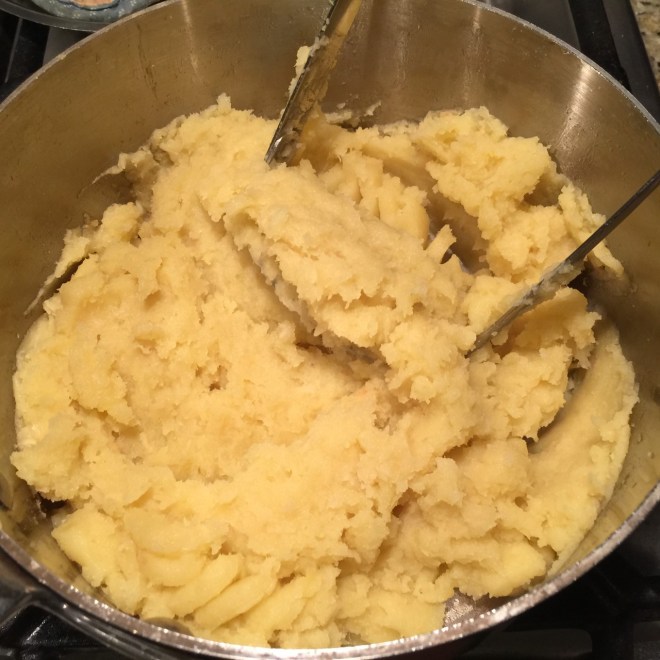 Warm the milk and pour 1/2 cup of it into the potatoes. (Use the rest, if needed. Save it for any leftover mash.) Add in chives and fold mixture gently together. Season with salt and pepper, if needed.
 I’ve been a from-scratch cook for as long as I can remember, pushing the boundaries over the years as to what I would make and what I would buy. (Puff pastry and filo dough are still on my “never in a million years” list.)
 In another small bowl whisk
  Pour egg white mix into the flour mixture and blend together with a spoon, until all flour is incorporated.
 Lay out a sheet of parchment paper (NOT waxed paper). Place the dough in the middle and form it into a square with your hands – this will help the dough roll into a rectangular shape.
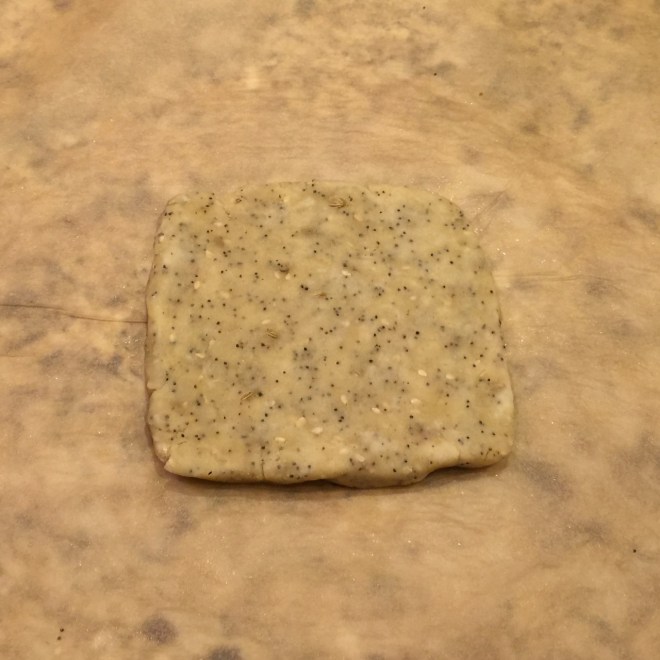 Cover with waxed paper (or parchment). Roll out the dough to a 12″x10″ rectangle – or as close as you can get. Mine was nowhere near that – it really doesn’t matter. The dough should be of even thickness – 1/16th inch. The bands really helped with that.
 Carefully remove waxed paper and set it aside.
 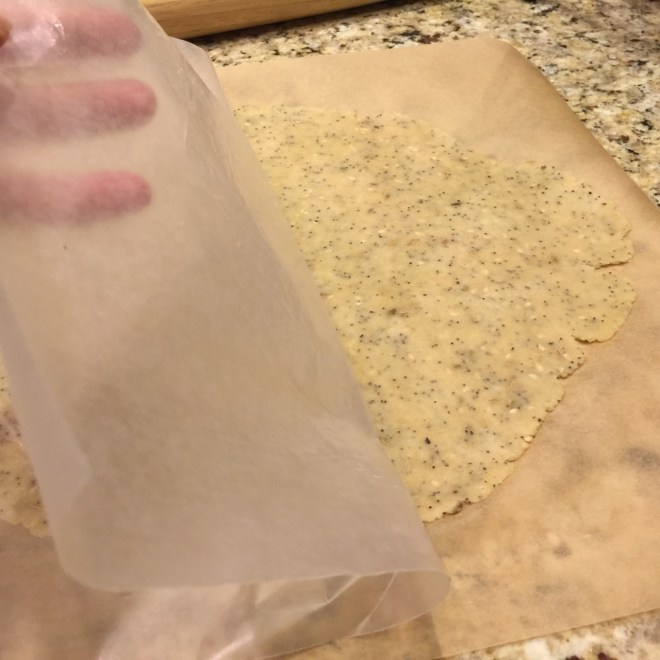 Beat the remaining
  Sprinkle on the seed blend you set aside. Cover with the waxed paper and gently run your hand over top to press in the seeds. (Without the waxed paper the seeds will stick to your hand.) Remove and discard waxed paper. Lightly score top with a dull knife to desired shapes.
  Slide parchment onto a rimless baking sheet (I prefer silver colored). Bake at 375º F for 14-18 minutes, rotating sheet halfway through baking time to promote even baking, until lightly browned. The edges always turned darker for me.
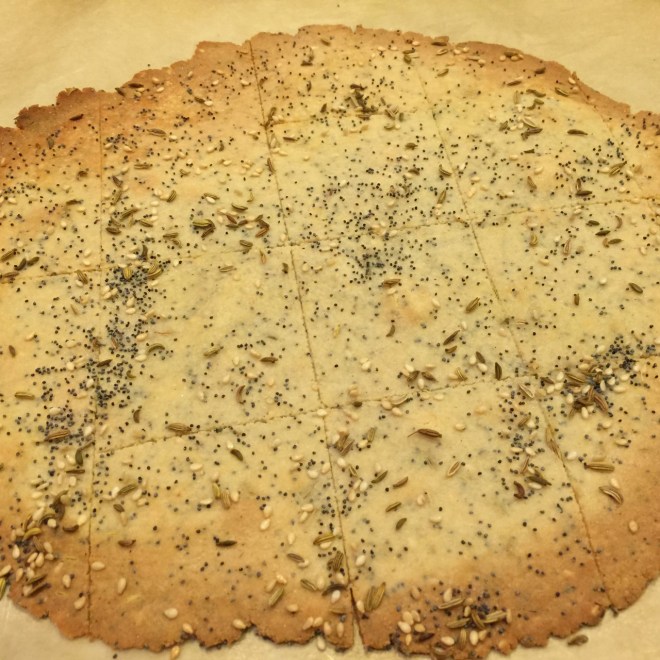 Slide parchment onto wire rack to cool completely. Break apart crackers at scored lines.
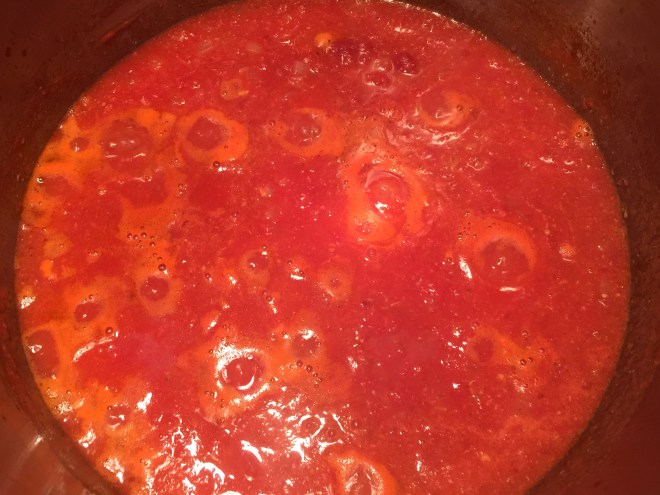 Turn off heat and stir in 1/4 cup basil, sugar, and pepper.
 Cook for 5 minutes. SET A TIMER! You don’t need to cook it fully right now – it will continue to cook in the oven. Pour pasta into a strainer to drain, but
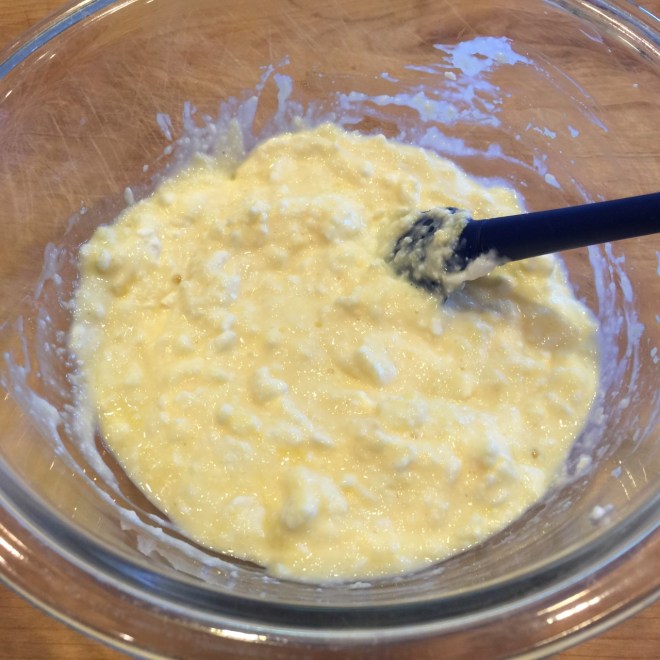
  In another bowl, beat egg with a fork then mix in 1/2 cup (1.5 oz) (44g) Parmesan and cottage cheese.
  Once the pasta is draining, pour the cornstarch-cream mixture into the now-empty pot. Over a low heat, bring to boil.
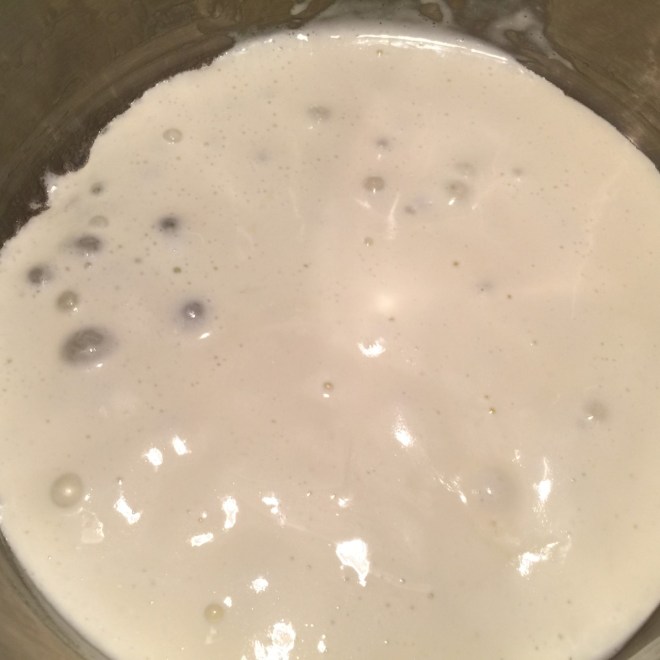 Immediately turn off flame and stir in the cottage cheese mixture.
  Add in half of the mozzarella and 1/2 cup of the marinara.
 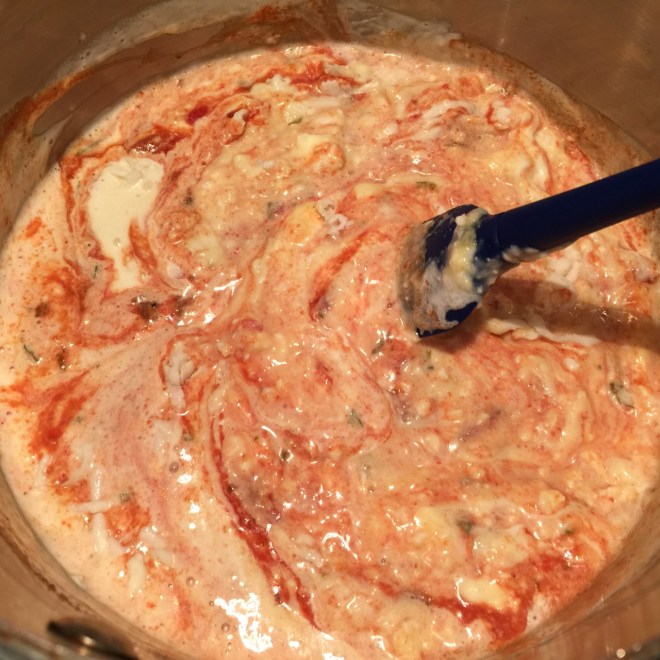 Stir in the cooked ziti, breaking up stuck together pasta.
  Pour into an 8″ x 8″ casserole dish (or it’s equivalent).
 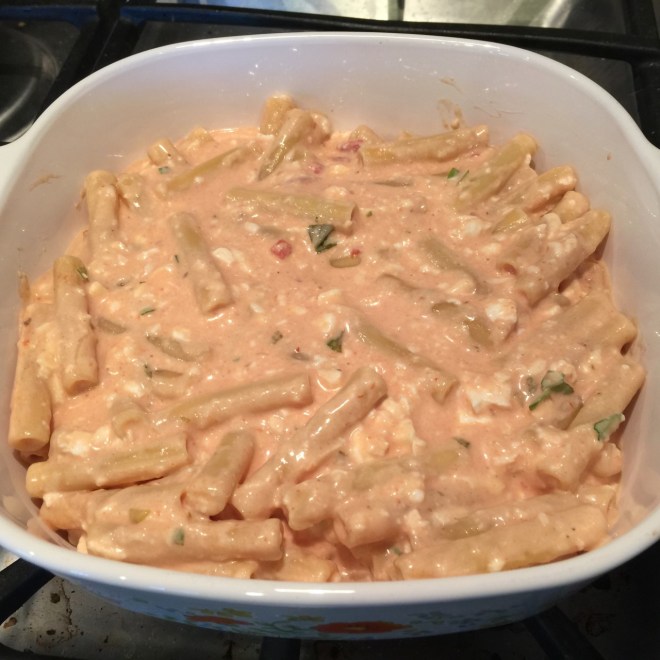 Top with remaining marinara sauce, then sprinkle on remaining mozzarella, followed by the rest of the Parmesan (20g).
 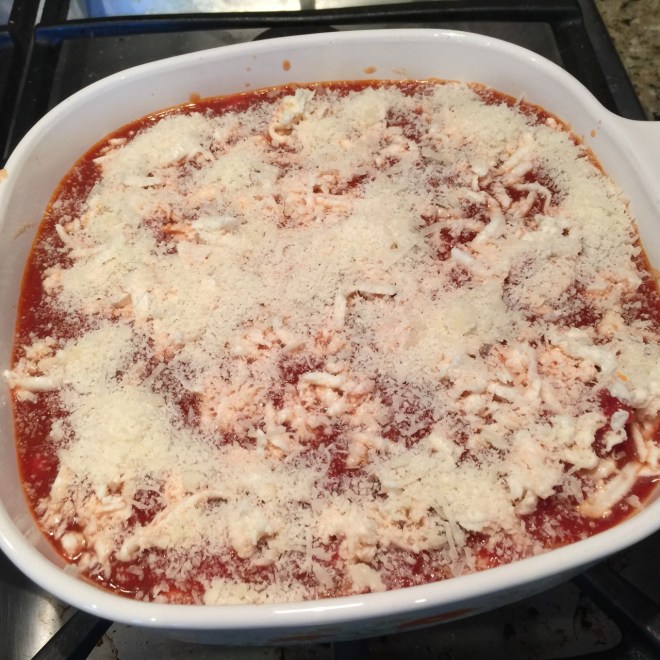 Cover with a lid or foil and bake at 350º Fahrenheit for 30 minutes. Remove cover and bake an additional 30 minutes. Remove from oven and sprinkle on 1 T basil.
  Let set 20 minutes before serving.
 When I harken back to Christmases past, one thing that stands out is the English Toffee Bars my best friend’s mother made every year. Besides my mom’s fudge, English Toffee Bars were a favorite.
 Add the yolk, vanilla, and salt. Beat 1 minute.
 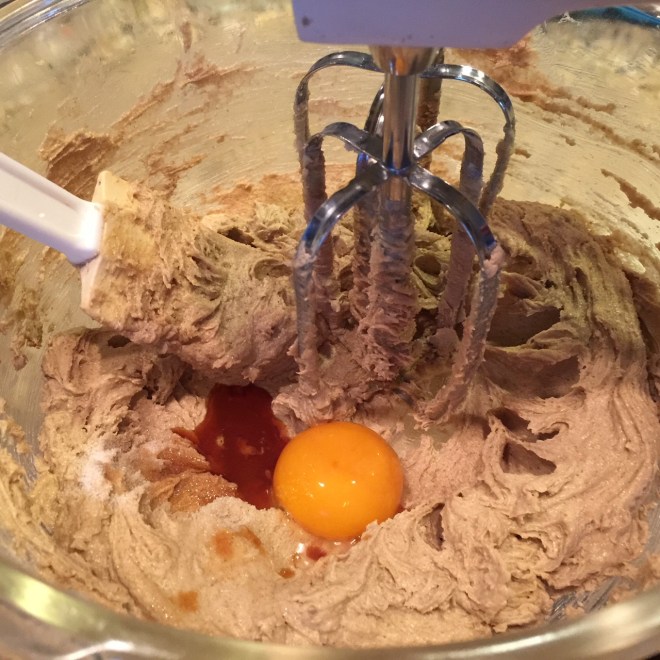 Add the flour and mix on low speed, just until flour is incorporated.
  Place dough on a piece of parchment paper, and pat it out to 11.5″ x 11.5″, trying your best to keep it of even height.
 Slide parchment on onto a rimless cookie sheet. Place in preheated 375º F oven. Bake 11-14 minutes, rotating once, until browned. Remove from oven.
 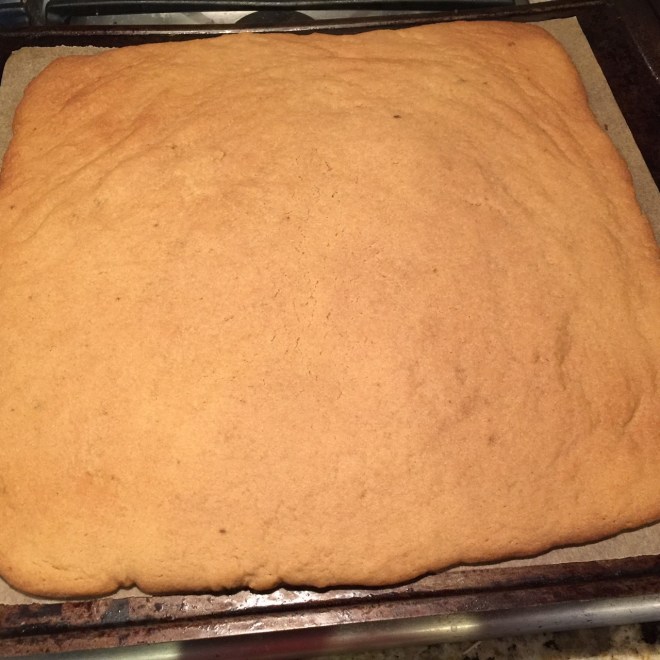 Immediately, top hot dough with chocolate bar pieces and let sit for 2-3 minutes , until chocolate softens.
 Spread chocolate.
  Sprinkle with toasted nuts, pressing very lightly so nuts adhere to chocolate.
 Cool bar on cookie sheet about 20 minutes so it sets. Slide parchment onto counter. Slice off uncoated edges, then cut slab into squares while still soft (if you wait until they’re hard, they’ll break when cut). Once bars are completely cool, refrigerate to firm up.
 Sometimes advice passed on through the ages is wise and true. BUT, sometimes one needs to re-examine it, thus finding it no longer (if ever) viable.
 In a saucepan, melt 3 T butter. Sauté shallots over medium heat for about 3 minutes. Add in garlic and cook for 30 seconds more, just to bloom the garlic. Remove pan from heat.
  In a small bowl, mix together the flour, paprika, salt, cayenne, white pepper, and nutmeg. Blend into the butter mixture, smashing out any lumps – this is your only chance to do so!
 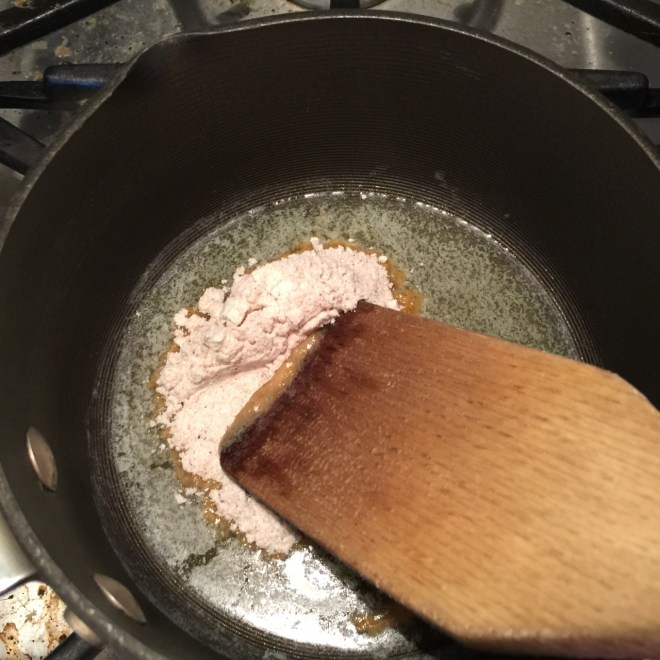 Return pan to heat and cook roux (that’s what this paste is called) for 2 minutes over medium/low heat. (This will get rid of the flour taste.)
 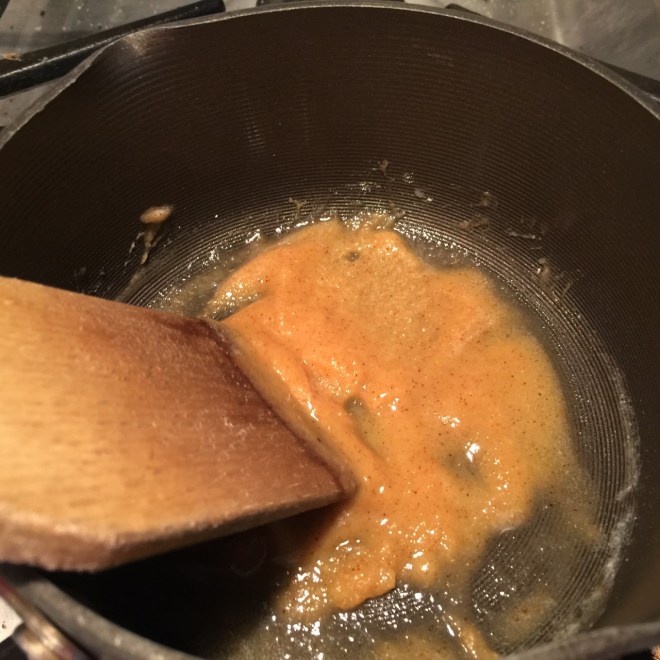 Pour in the milk and cook over medium/low until thickened, stirring constantly. Turn off burner but leave pot in place in order to use residual heat.
  Stir in Gruyère and 1/4 cup Parmesan until melted.
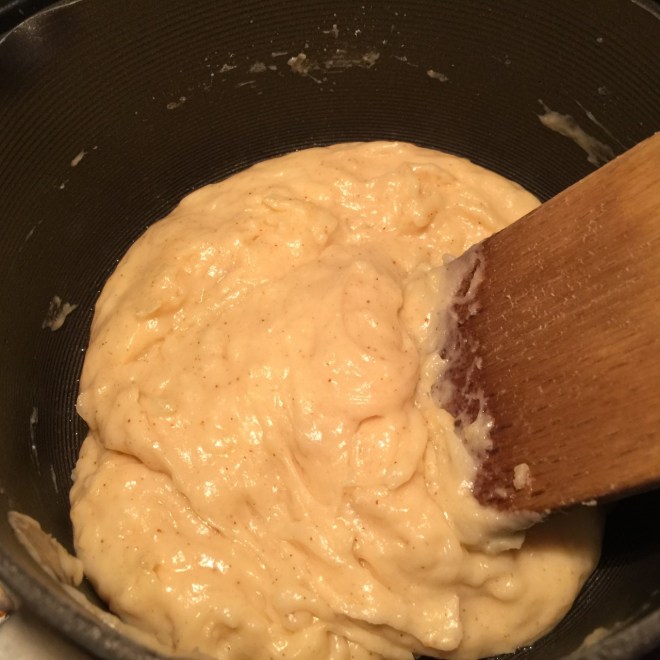
 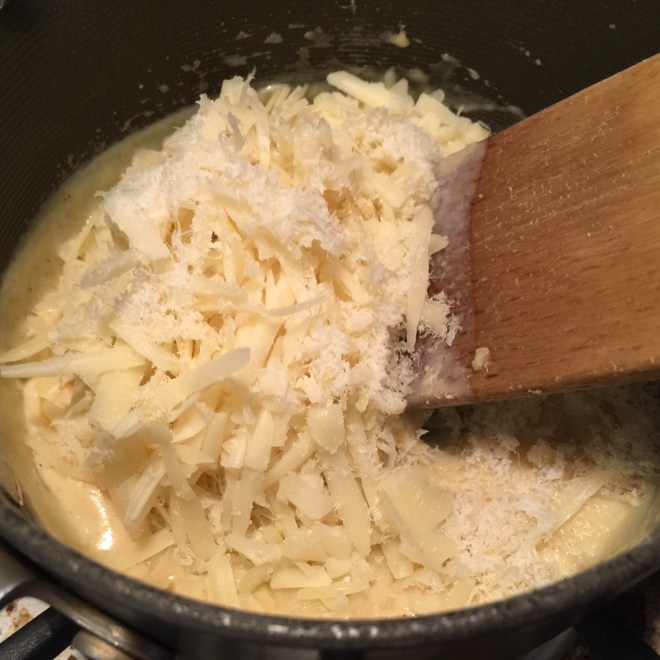 Remove pot from warm burner and let cool 5 minutes.
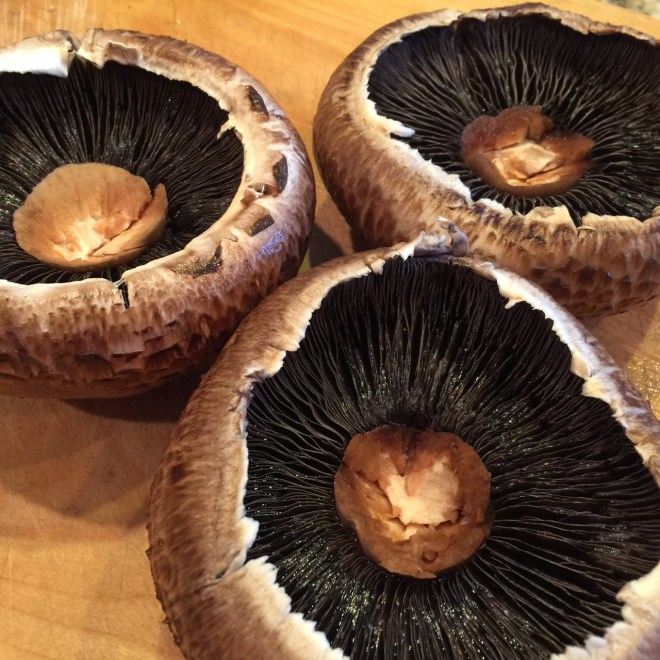
  Meanwhile, build a foil cylinder around each mushroom – heavy or regular aluminum foil will work. Cut 4 pieces of foil – 8″ long if using heavy foil, and 12″ long if using regular.
  For the heavy foil, fold in half lengthwise; for the regular, fold in thirds lengthwise. The goal is to make a 4″ high strip that will surround the Portobello. Grease one side of the strips with the remaining butter (You may not need all of it, but don’t be stingy – this will prevent the soufflé from sticking.) Sprinkle the remaining Parmesan on the greased strips, lightly patting down to make it adhere to the butter.
 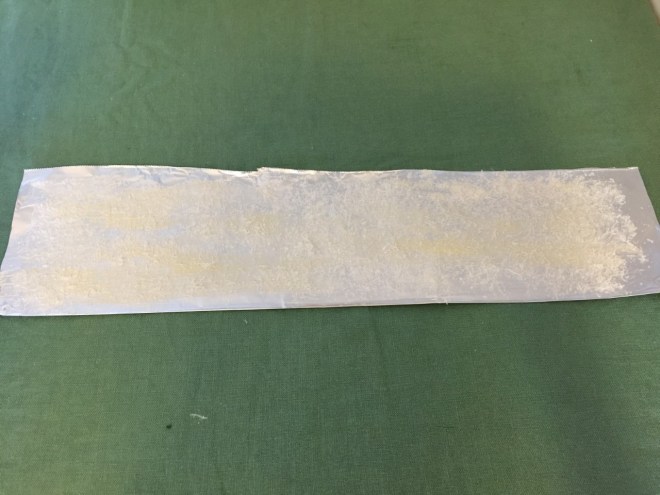 Surround each Portobello snuggly with a foil strip, coated side facing the mushroom. Secure it with a paperclip at the top.
 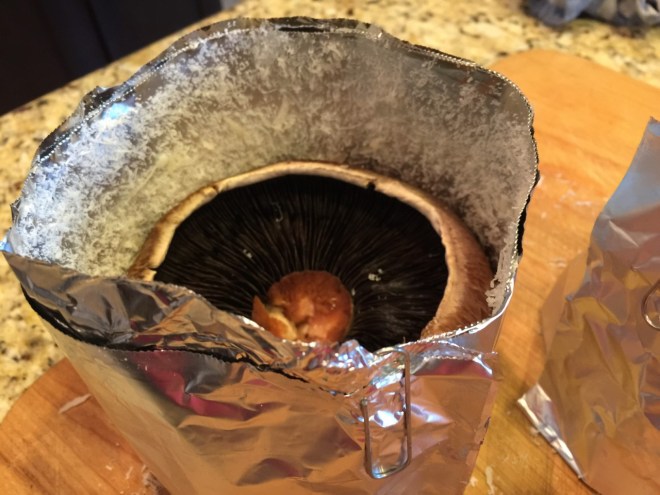 Place mushrooms on a parchment lined cookie sheet and set aside.
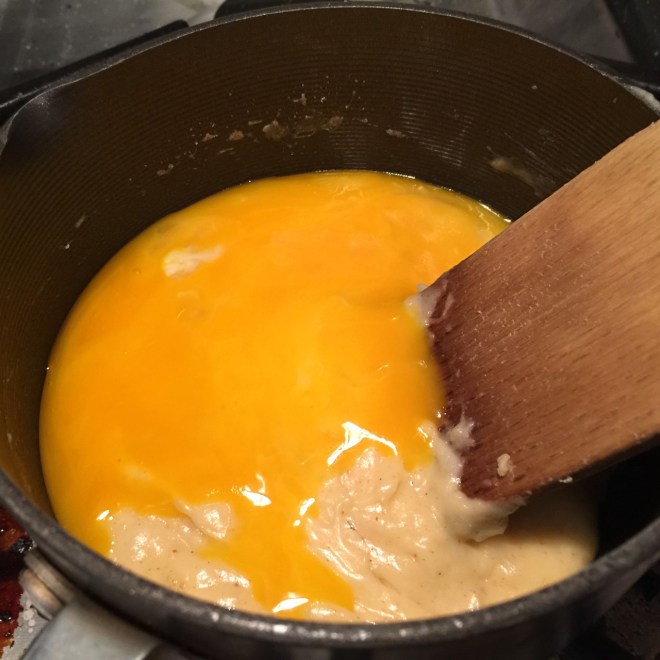 Let cool.
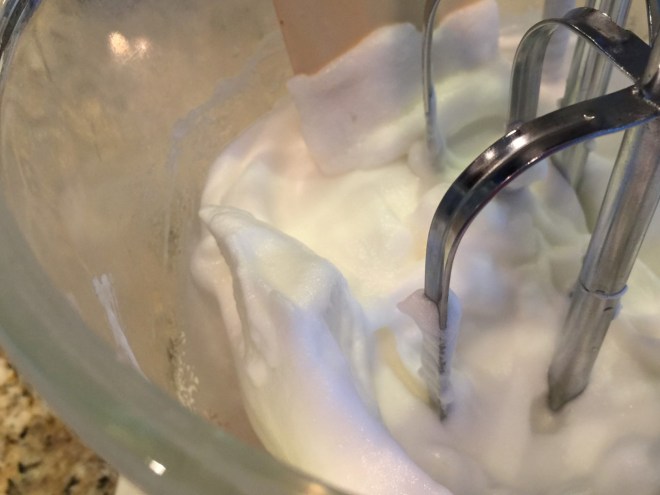 Deep breath! Pour the cheese sauce into the beaten whites. Turn the mixer on low and mix until just combined.
  Pour mixture on top of Portobellos, dividing as equally as you can – don’t get crazy about it, though.
 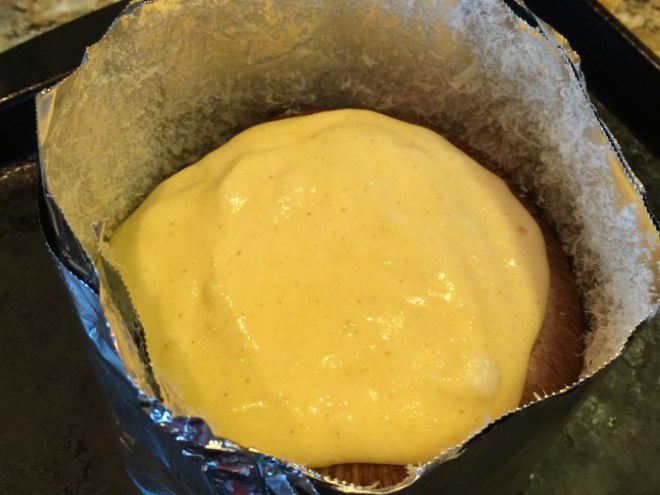 Bake at 350º F for 25 minutes – don’t open the oven door to check before that time. The soufflé should be golden and jiggly.
  Remove paper clip (take care – it’ll be hot!) and foil collar. Serve immediately.
 Vegetarian Cooking For Carnivores BLOG