
It’s amazing how many types of pizzas there are. While the dough is basically the same for all, how they’re baked makes the difference.
A Grandma Pizza is square or rectangular, and baked on an oiled rimmed cookie sheet. This produces a light, crunchy crust. It’s a very wet dough so there’s no need to roll it out – you just spread it with your fingers.
Note: It’s easiest to use a food processor, but you can get a nice workout mixing the dough by hand in a bowl.
GRANDMA PIZZA
- 2 T + 1 T olive oil, divided
- 7¾ oz (1½ cups) bread flour
- 2 tsp dry yeast
- 1 tsp sugar
- 3/4 tsp salt
- 3/4 cup water
- 1 cup marinara sauce
- 8 oz mozzarella cheese, shredded
- 1/4 cup hard cheese such as Parmesan or Pecorino-Romano
- about 1/4 cup fresh basil, chopped
- any other topping you may like
Pour 2 T olive oil into the center of a 10″ X 15″ rimmed baking sheet (also called a jelly-roll pan). 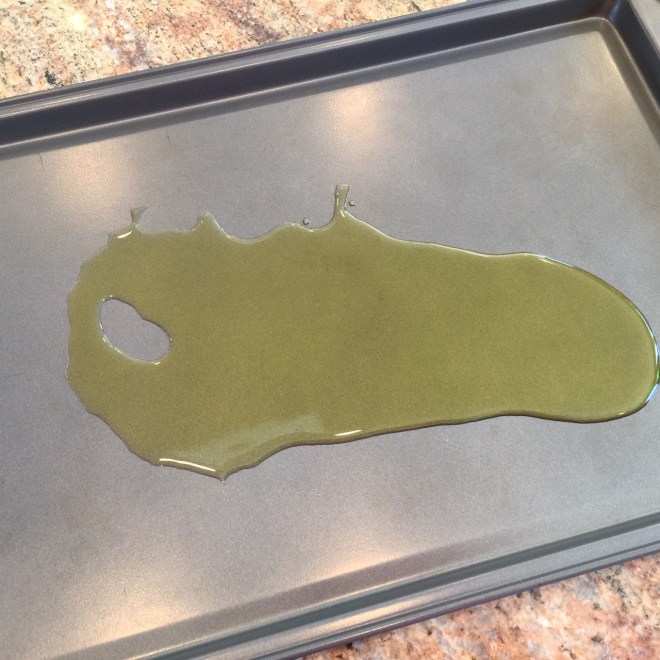 Into the workbowl of your food processor (or a large mixing bowl if you’re going to do this by hand), put the flour, 1 T olive oil, yeast, sugar, and salt. Turn the machine on and slowly pour in the water through the pour tube. Once all the water is poured, let the machine run another 30 seconds or so. This is a very sticky, loose dough.
 Empty the dough onto the olive oil in the jelly-roll pan. Dip your finger tips into the oil so the dough won’t stick to them, and flip the dough so it’s now completely covered in oil.
  Cover either with plastic film or a large pan (I use a rectangular roasting pan – it fits perfectly.) DON’T use a tea towel – it will just stick to the dough. (Been there, done that!) Let rise about 45 minutes.
Preheat oven to 500º Fahrenheit.
Gently nudge dough to cover the entire bottom of pan.  Sprinkle on mozzarella, then drizzle on the marinara, followed by any other topping, and finally sprinkle on the Parmesan.
  Bake at 500º F in the lower third of oven for 13-15 minutes. Sprinkle on fresh basil.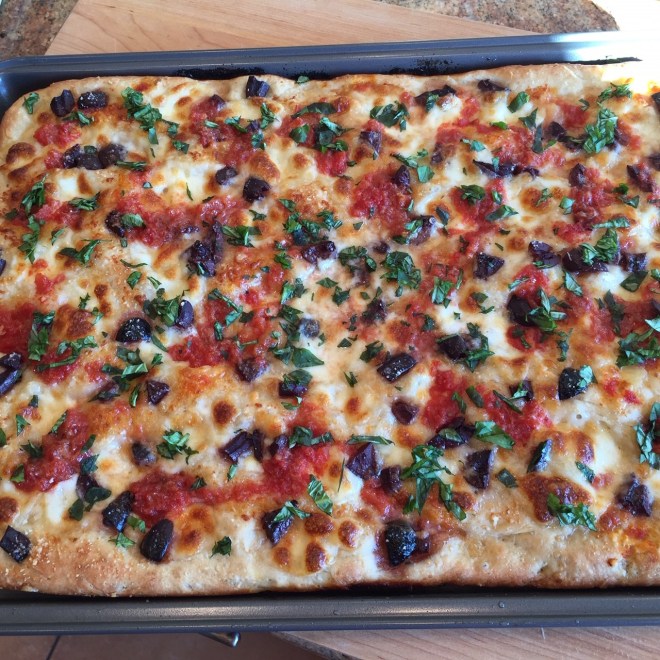
Remove pizza to a wire rack and let set about 5 minutes before slicing.

 In a 12″ skillet over medium/high, heat oil. Add onions and sauté until translucent, but not browned – about 5 minutes. Turn off heat and add in garlic and basil, stirring to bloom by using residual heat from the hot skillet.
 Turn heat to medium/high and add in cauliflower. Sauté for 5 minutes.
 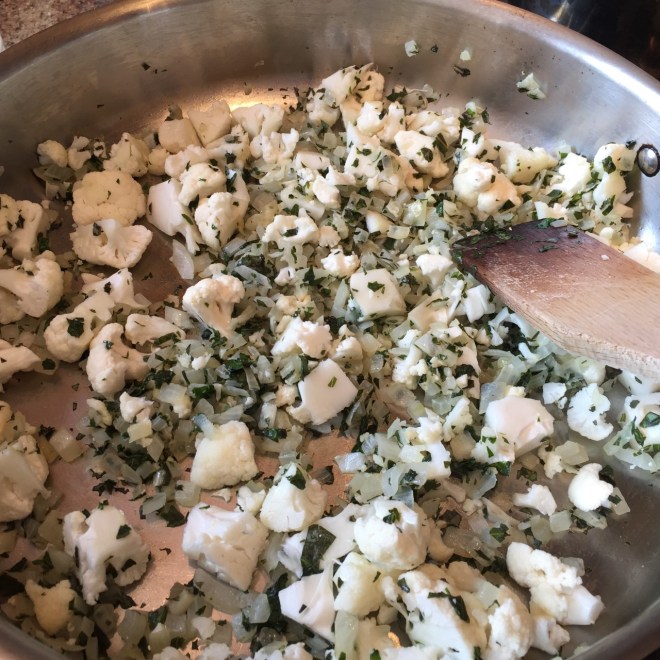 Add in the tomatoes and continue to cook until cauliflower is tender – about 10 minutes.
  In a saucepot, bring 2 quarts of water to a boil. Add in 1 T salt and the pasta. Cook until slightly under-done. Drain.
 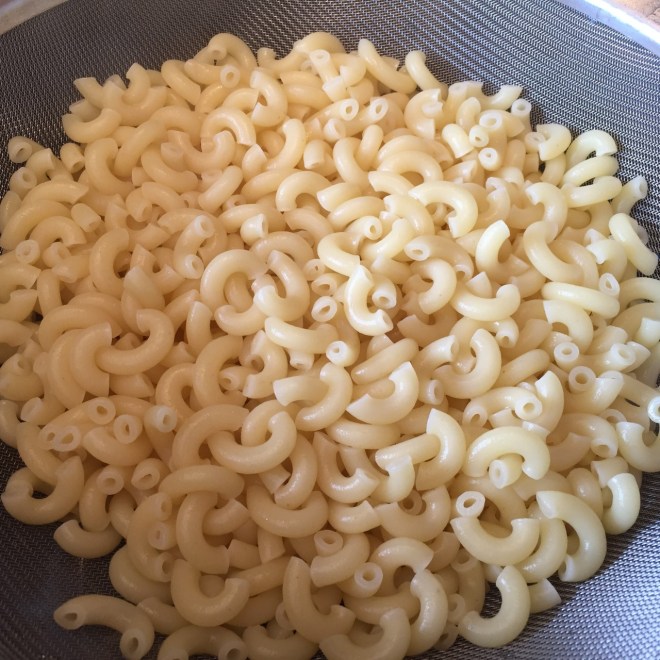 In the now-empty saucepot, combine the white sauce, cauliflower mixture, pasta, and lemon juice.
  Pour half into a casserole dish. Sprinkle on half of Mozzarella and half of Parmesan.
  Cover with the remaining pasta mixture and top with the remaining cheeses.
  Cover and bake at 375º Fahrenheit for 30 minutes. Remove lid and cook 10 minutes longer, if covering with crumb topping. Evenly sprinkle topping over top. Return to oven, uncovered, and bake another 5 minutes.
  If not covering with topping, bake uncovered for 15 minutes.
 Let set 15 minutes before serving – it’s super hot! Pass around Seasoned Breadcrumbs, if desired.
 Remove from heat and pour into a bowl. Stir in Parmesan when crumbs are cooled.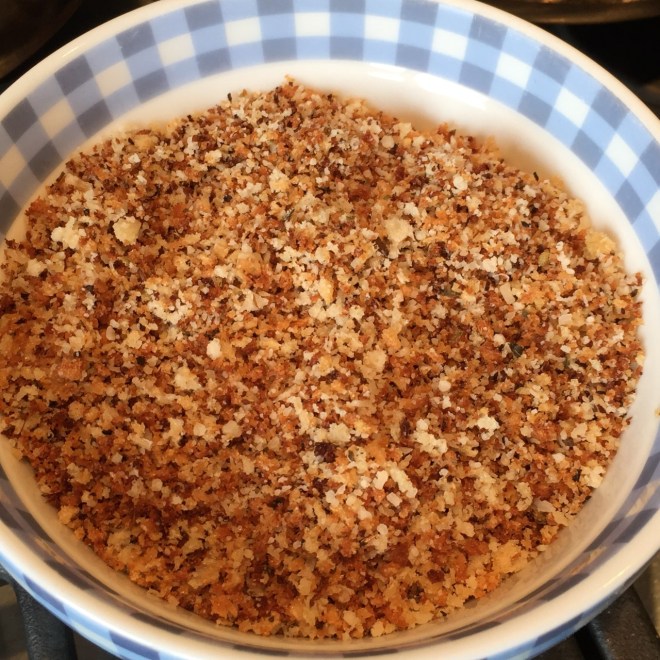
 Some people become vegetarians because they don’t like meat and/or it upsets their body. Not me. I grew up eating some sort of animal everyday – sometimes three times a day and loved it. So when I decided, for humanitarian reasons, to become a vegetarian, it was quite an adjustment.
 Put the butter, rye flour, sugar, salt, caraway seeds, mustard, and 1 cup of the AP flour into the workbowl of a food processor.
 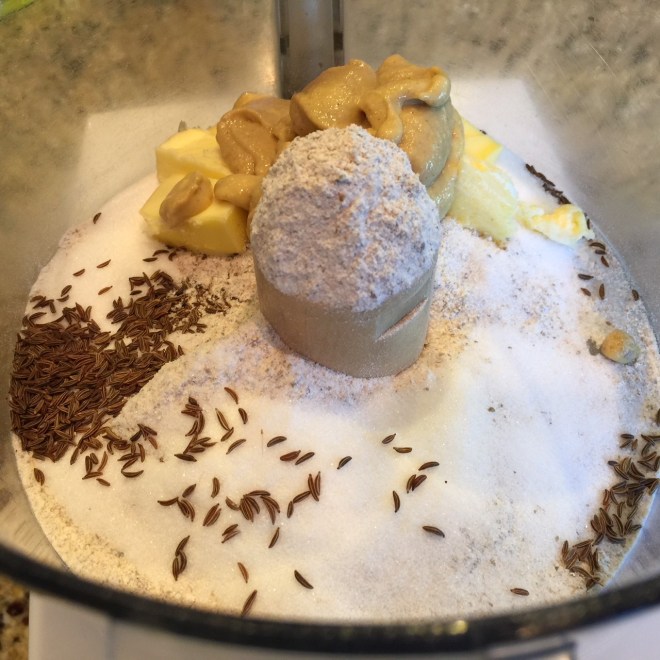 When the yeast is proofed, turn on the machine and slowly pour in the yeast water.
  When it’s mixed, add in remaining flour a little at a time, until dough starts to pull away from the sides. You may or may not need all of the remaining cup of flour.
 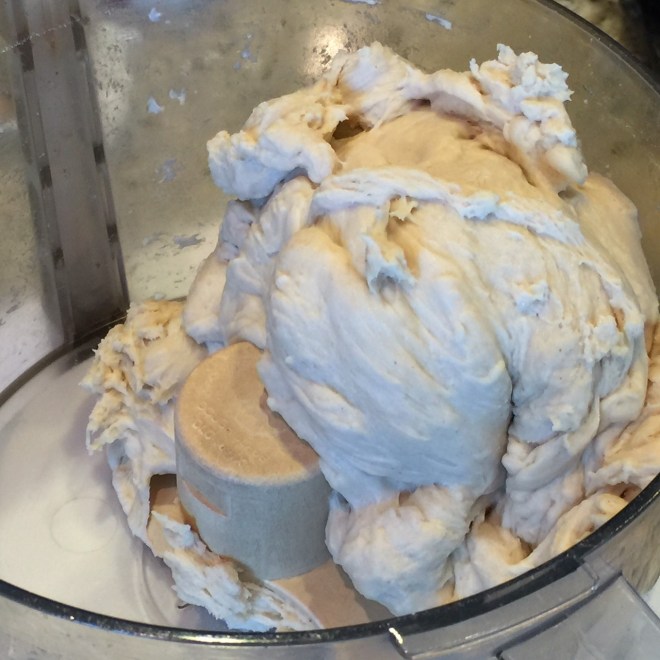 Empty dough into greased bowl, flipping dough ball so entire ball is greased. Cover with tea towel or plate and let rise 1 hour.
 Spread on the “ham”, cheese, then pickles down the center of the dough. Make 1½” cuts along both sides – cut the same number for both sides.
 Fold in one end, then grab the first dough tabs and twist them together, pinching to make sure they stay.
  Keep doing this for all the tabs.
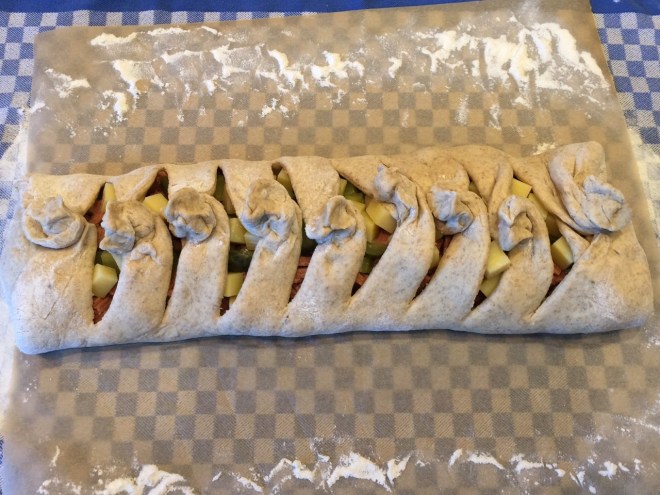 Slide the parchment onto a large, rimless cookie sheet. Cover loaf with the tea towel and let rise 30 minutes. At this time, preheat oven to 375º F.
 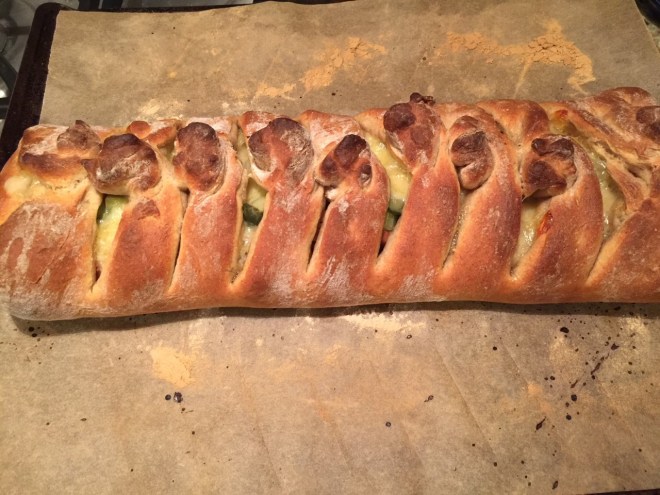 Remove to rack and let set about 15 minutes before serving.
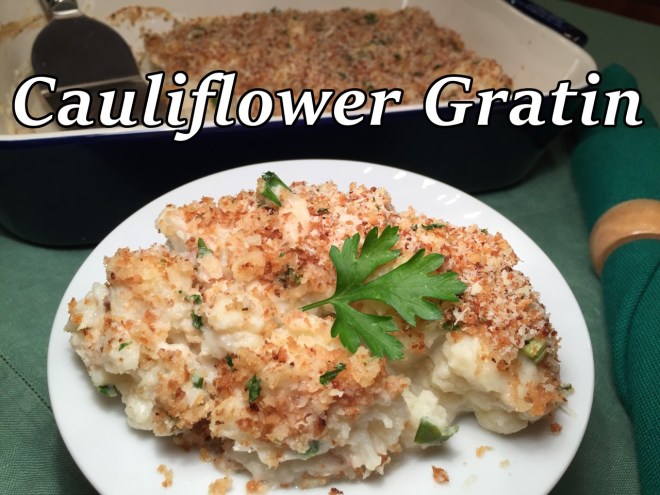 As so often happens, I got the idea for CAULIFLOWER GRATIN from America’s Test Kitchen. Rather than using cream or milk for the sauce, they pureed some of the cauliflower with water to get the liquid. Brilliant!
 Slice off and discard the discolored end of core. Then slice remainder into 1/8″ thick slices.
  Place cauliflower right side up and slice into 3/4″ slabs. Remove florets from stalks. Cut the stalks into 1/8″ slices and place them with the core pieces. (The stalk and core pieces will become the basis for the sauce.)
 Into a Dutch oven, place 3 cups of water, 6 T butter (cut into pieces so it melts faster), all the sliced stalks and core pieces, and 2 cups of the florets. Bring to a boil.
 Place the remaining florets on a large steamer basket. (It’s a bit of a balancing act!)
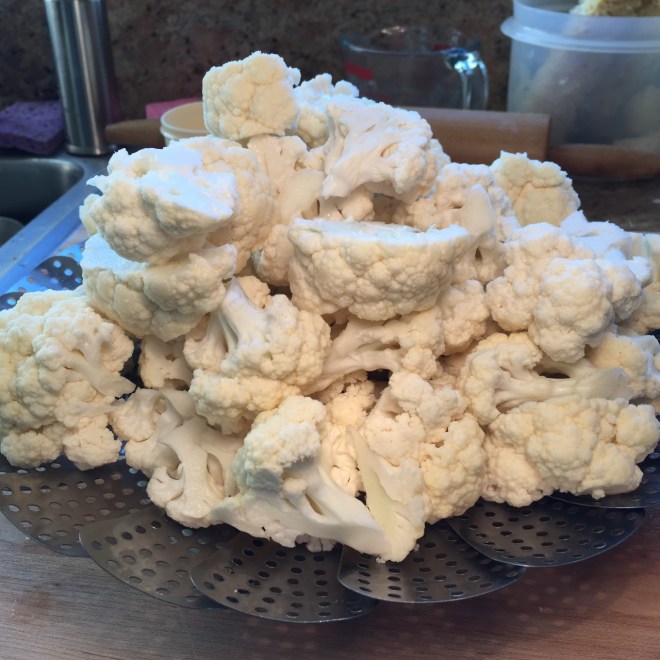 When water/core slices comes to a boil, carefully place steamer basket in Dutch oven. (You may need to remove some of the florets before placing the basket in the Dutch oven – they tend to roll – then replace them once the basket is set in place.) You’re going to steam the florets and boil the core/stalks at the same time.
 Cover and let cook until florets are easily pierced with a sharp knife (about 15 minutes). Don’t undercook the cauliflower in the hopes it will continue to cook in the oven – it won’t.
 When florets are tender, remove steamer basket from Dutch oven and pour cooked florets into a large bowl. Add in the scallions.
 Check to see if the stalks in the water are tender (mine always are). If not, cover and continue to cook until they are tender. Remove lid and let cool about 10 minutes.
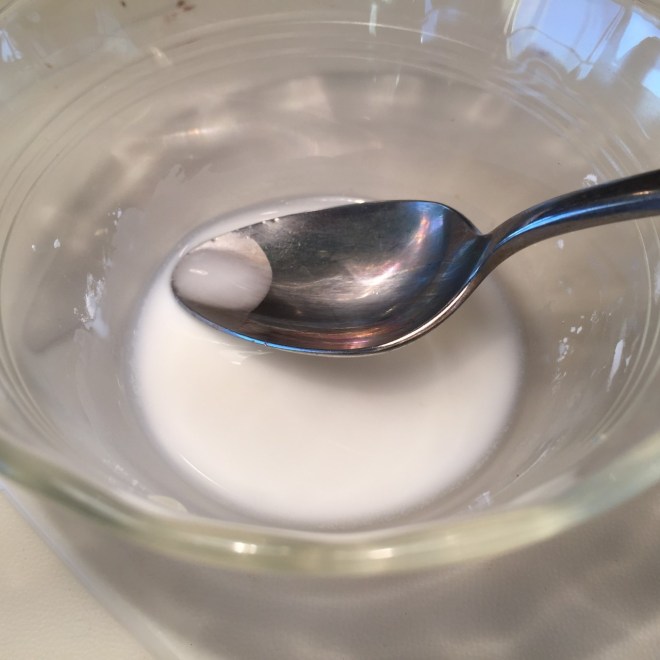 Pour this into the blender, then blend another minute. Pour sauce into the bowl with the florets and gently mix (you don’t want to break the florets).
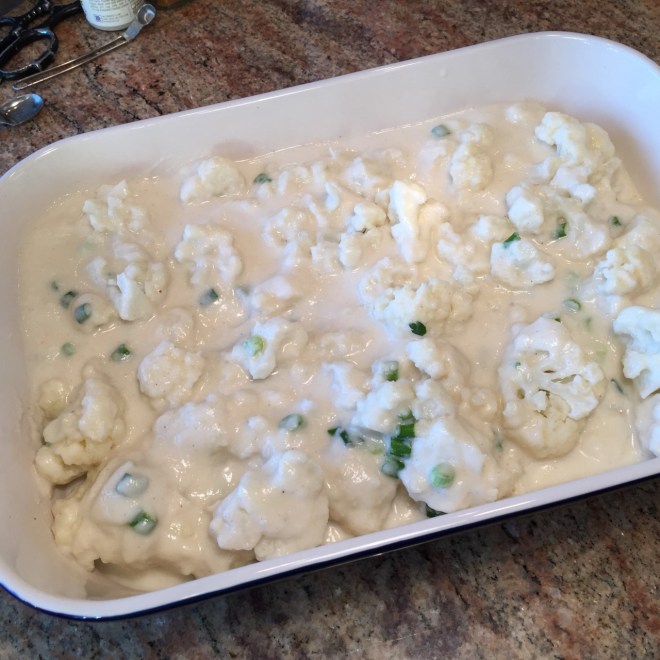
 Empty mixture into a 9″ x 13″ casserole dish.
 Into the cooled panko stir remaining Parmesan (1 cup) and chopped parsley.
 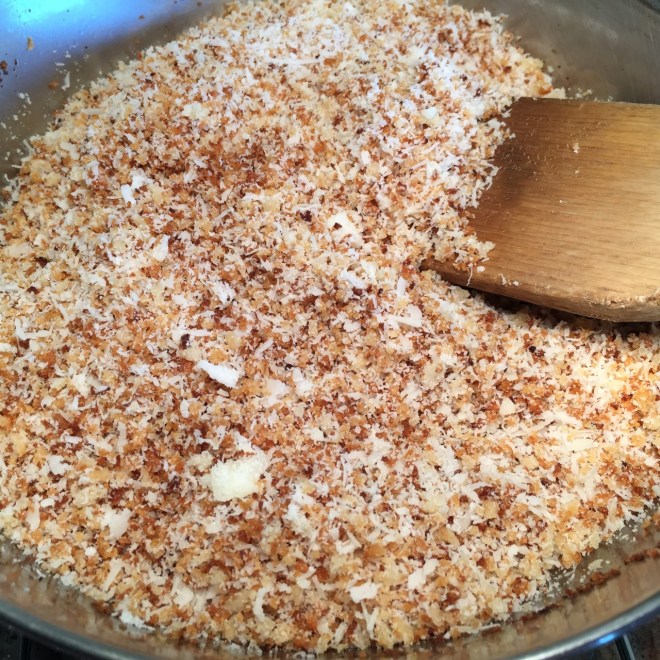 Sprinkle evenly on top of cauliflower.
  Bake, uncovered, at 400º F for 15 minutes. Remove from oven and let set 20-25 minutes before serving.
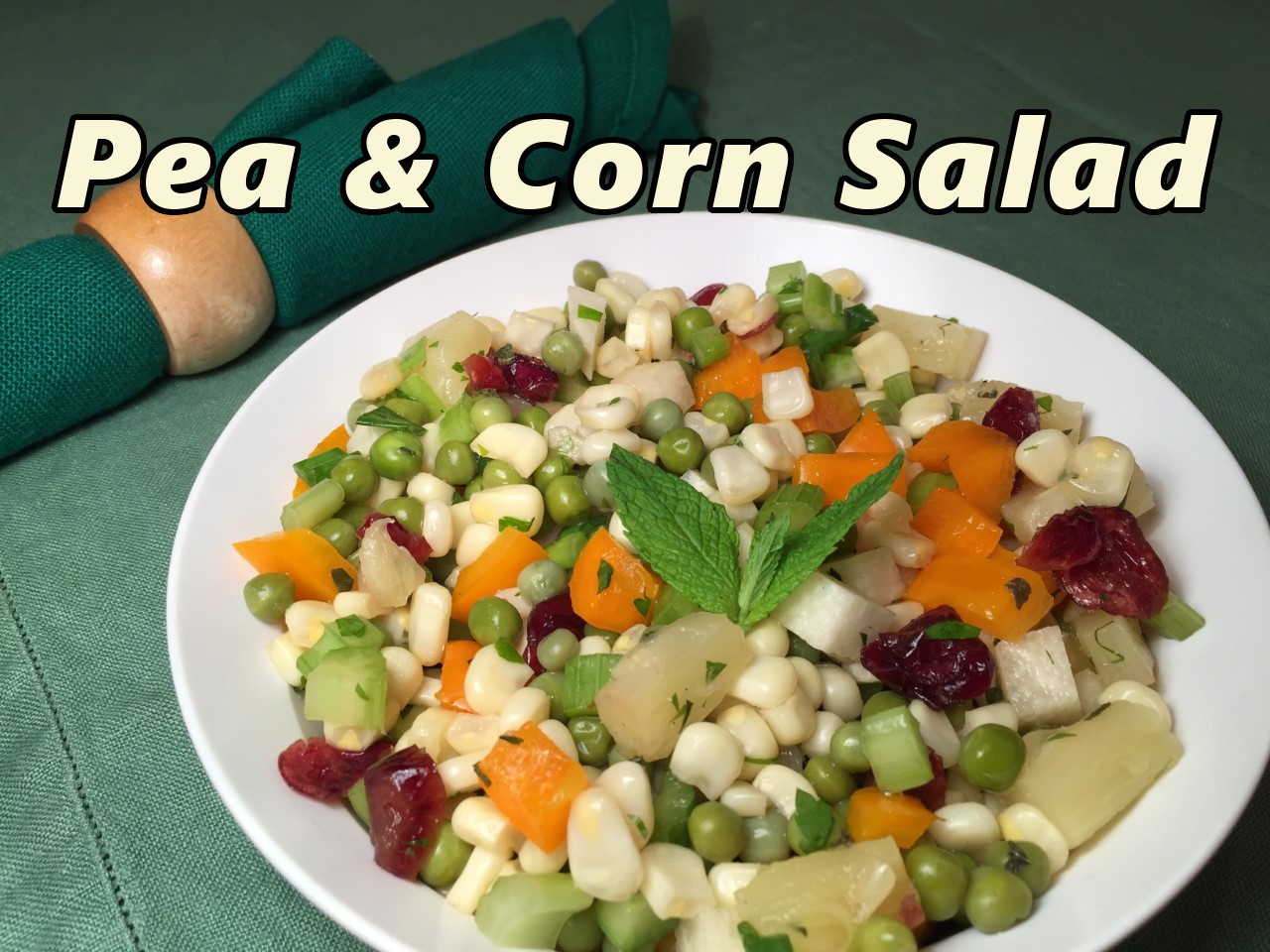 When the weather is hot and you don’t feel like cooking a vegetable, try this non-cook vegetable salad. BONUS: it’s fat free!
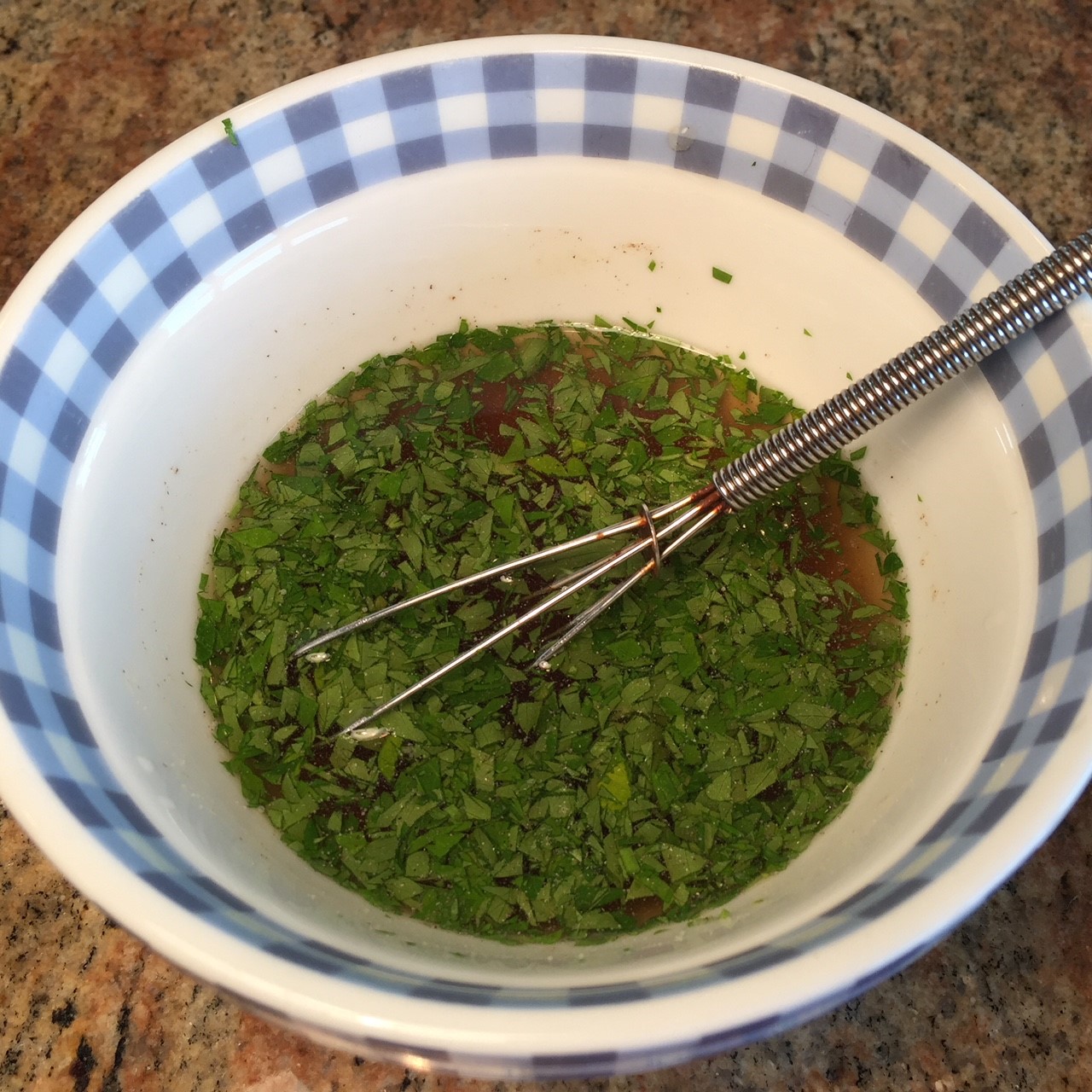
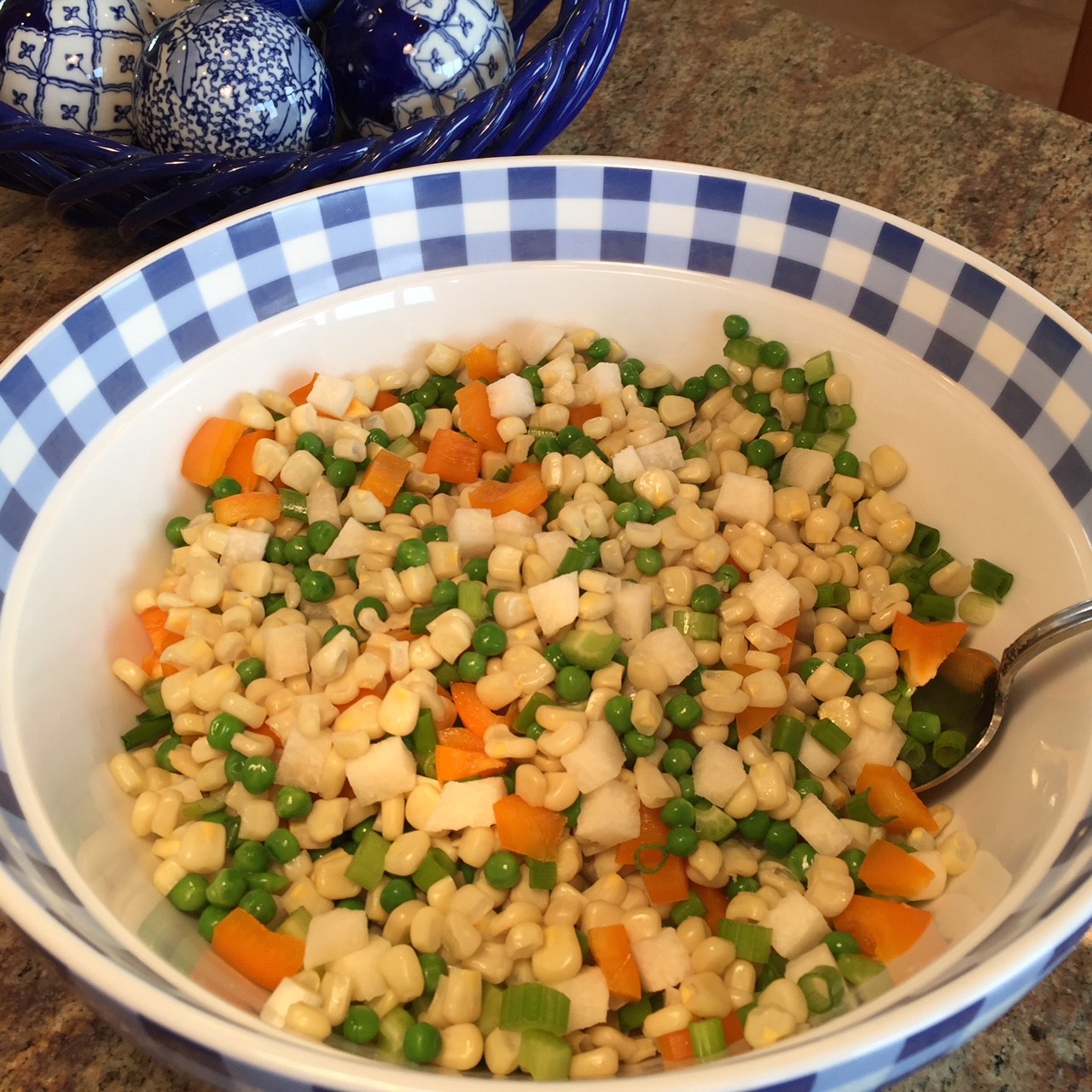 In a small bowl, stir together the vinegar, brown sugar, parsley, salt, and pepper.
 Pour on veggies and blend.
 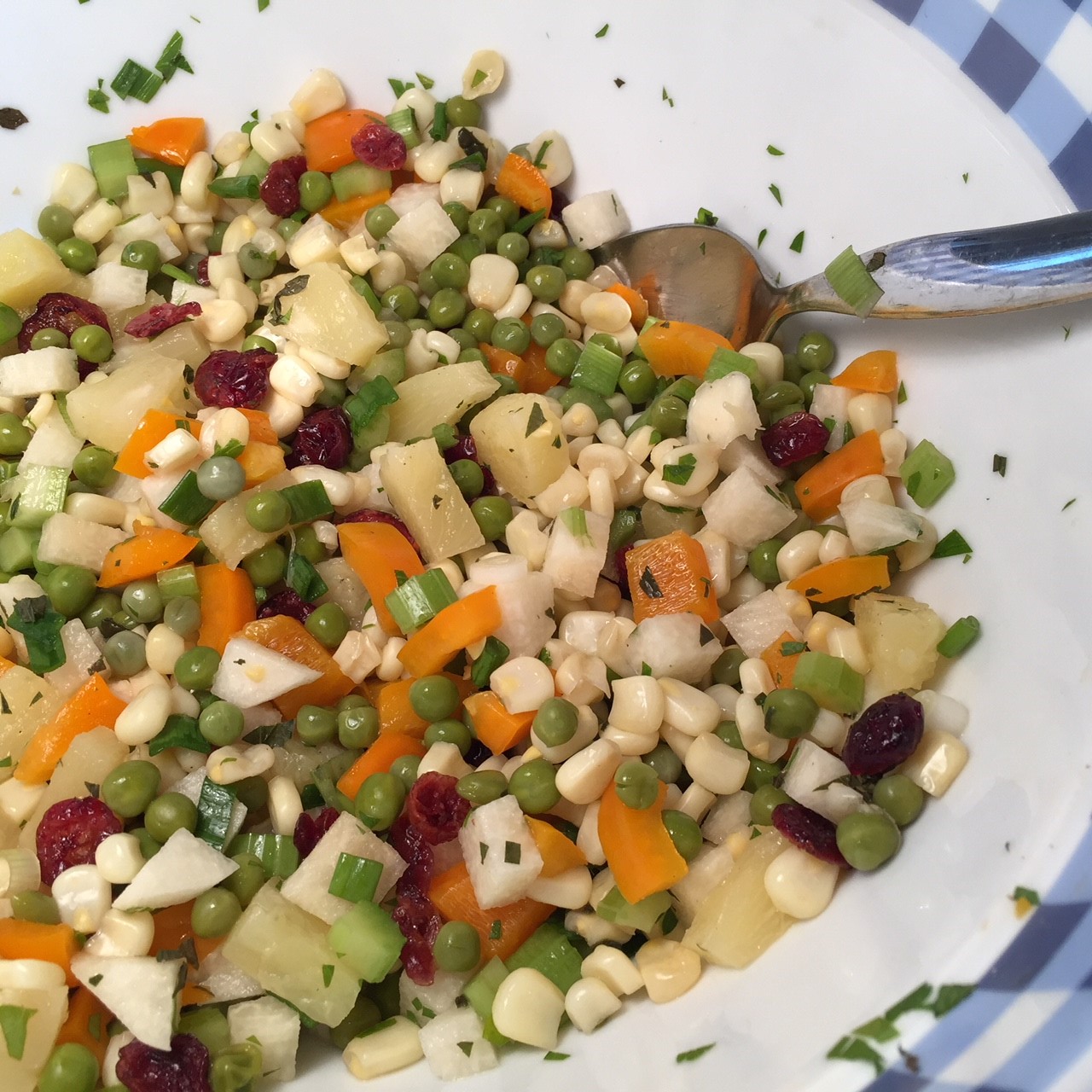 Refrigerate at least 2 hours. Stir in mint and serve.
 Being the loving husband his is, my friend, George, was whipping up a batch of fat-free blueberry muffins for his wife, Kathy, while we were visiting. I was curious about his recipe and what was used instead of the fat.
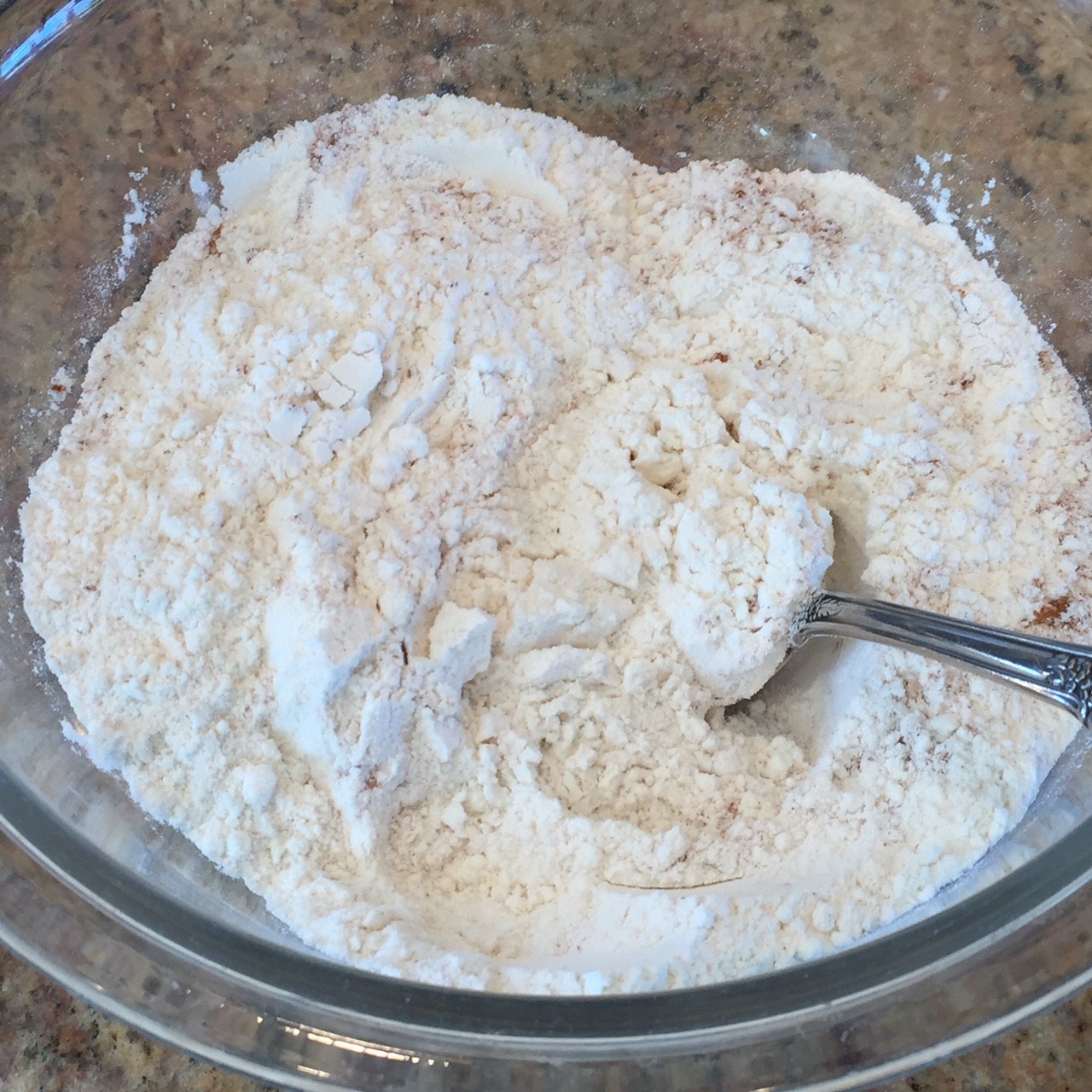 In a larger bowl combine whites, milk, zest, 1/2 cup sugar, and vanilla. Beat with an electric mixer on low, a hand-crank egg beater, or whisk until bubbles form on top – it takes about 30 seconds.
  Pour the dry ingredients into the wet and gently combine, until most of the flour is incorporated. Don’t overmix or you’ll get tough muffins.
  Add in the blueberries and fold in, just to combine. (Frozen blueberries – which I use – tend to bleed.)
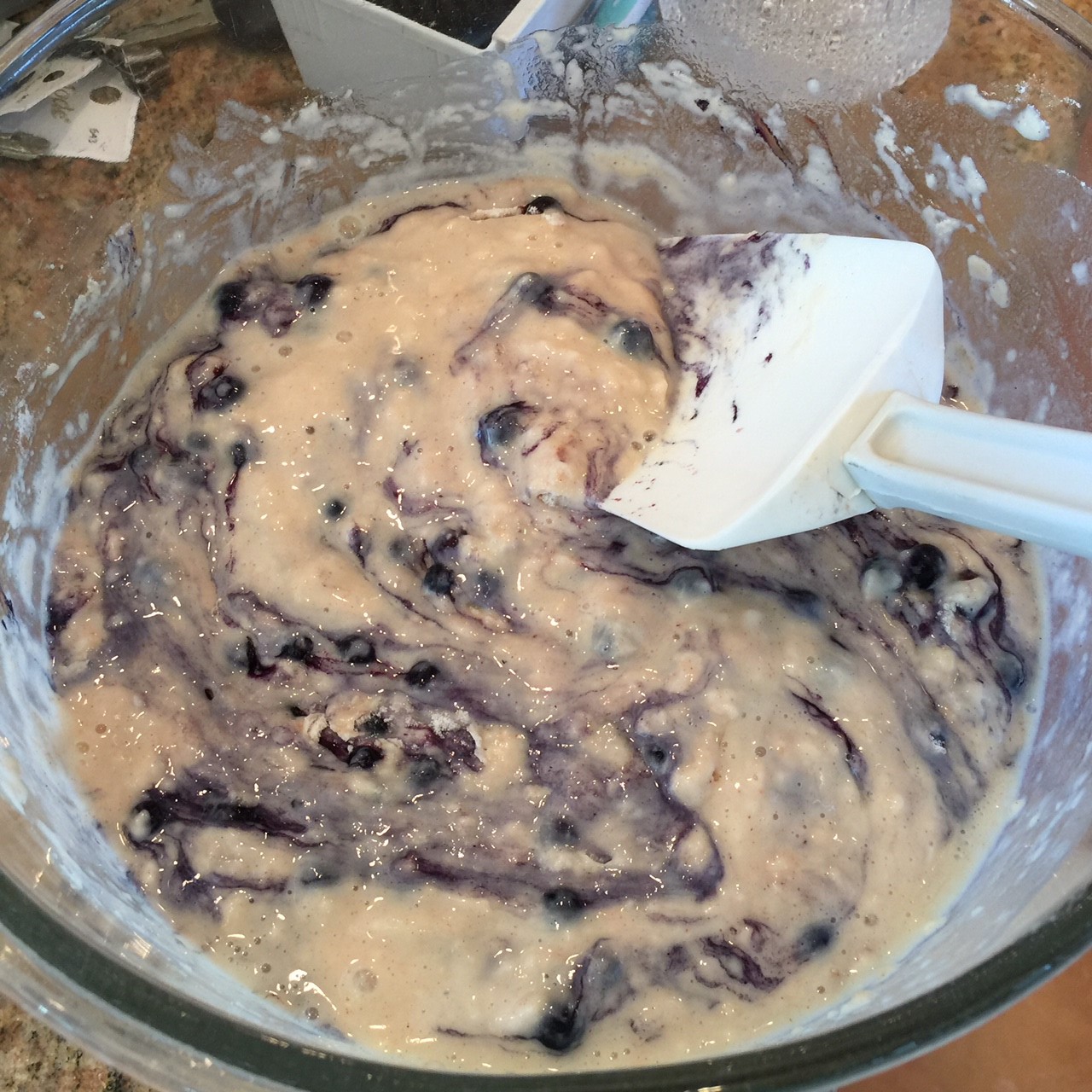 Pour the batter into the prepared muffin tin, dividing batter equally. (An ice cream scooper is perfect for this.) Sprinkle about 1 tsp of sugar onto each.
 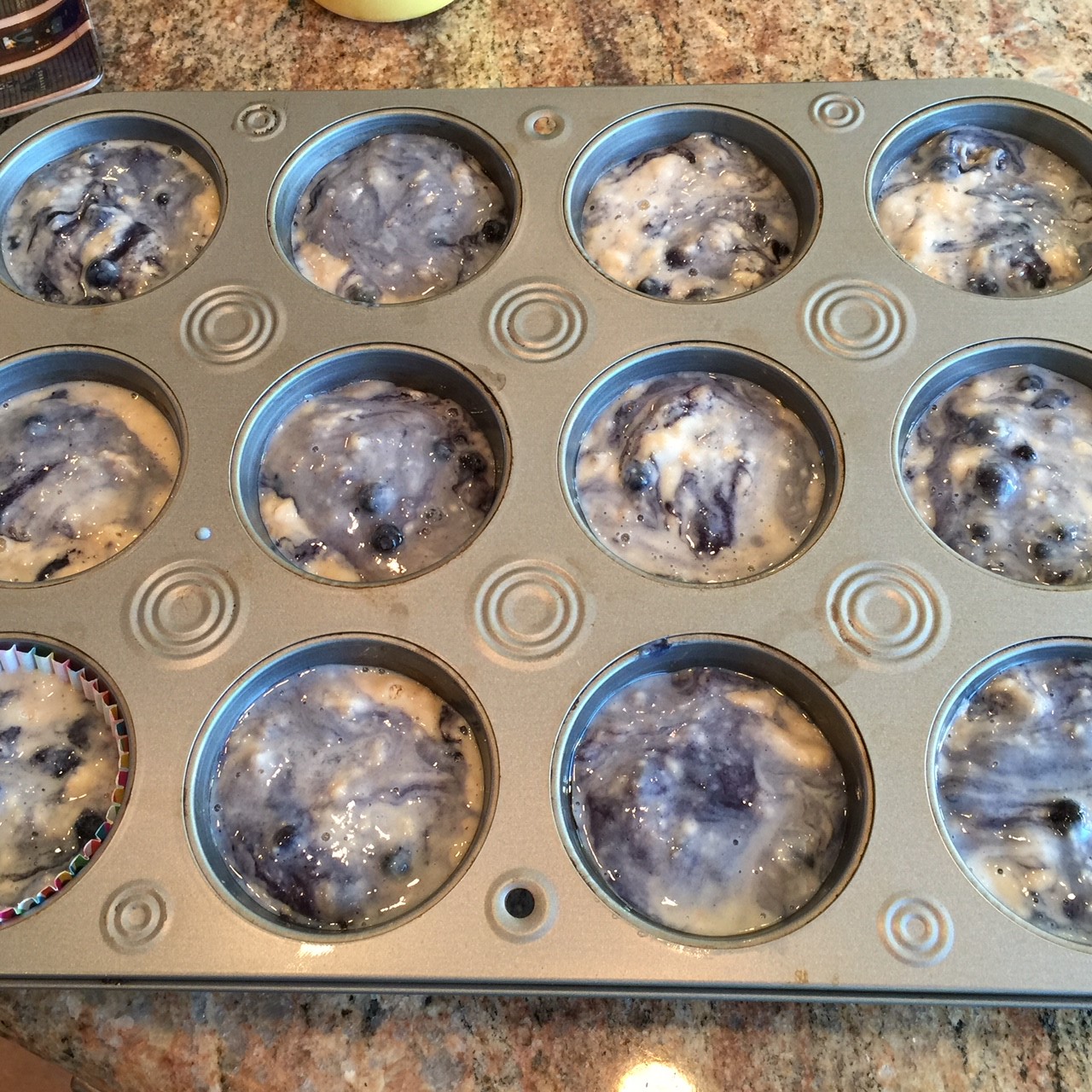 Bake in preheated 400º F oven for about 16 minutes, rotating them halfway through to cook evenly. They should be firm with slightly browned edges.
 Remove from oven and let set in tin about 2 minutes. To remove, run a rounded knife around sides, then start pushing in around the bottom with the knife to help release the muffin.
 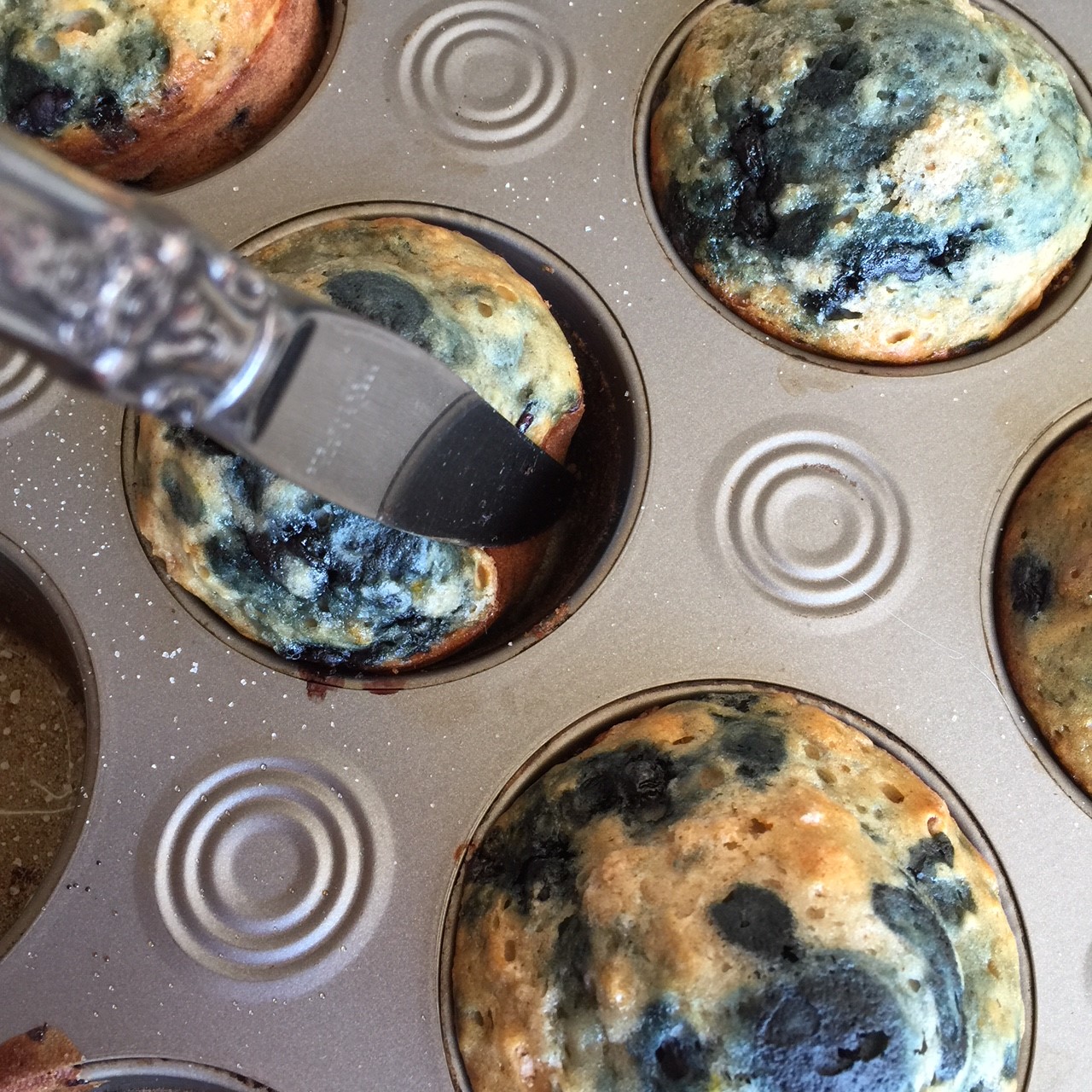 Set muffins on a wire rack to cool a bit before eating.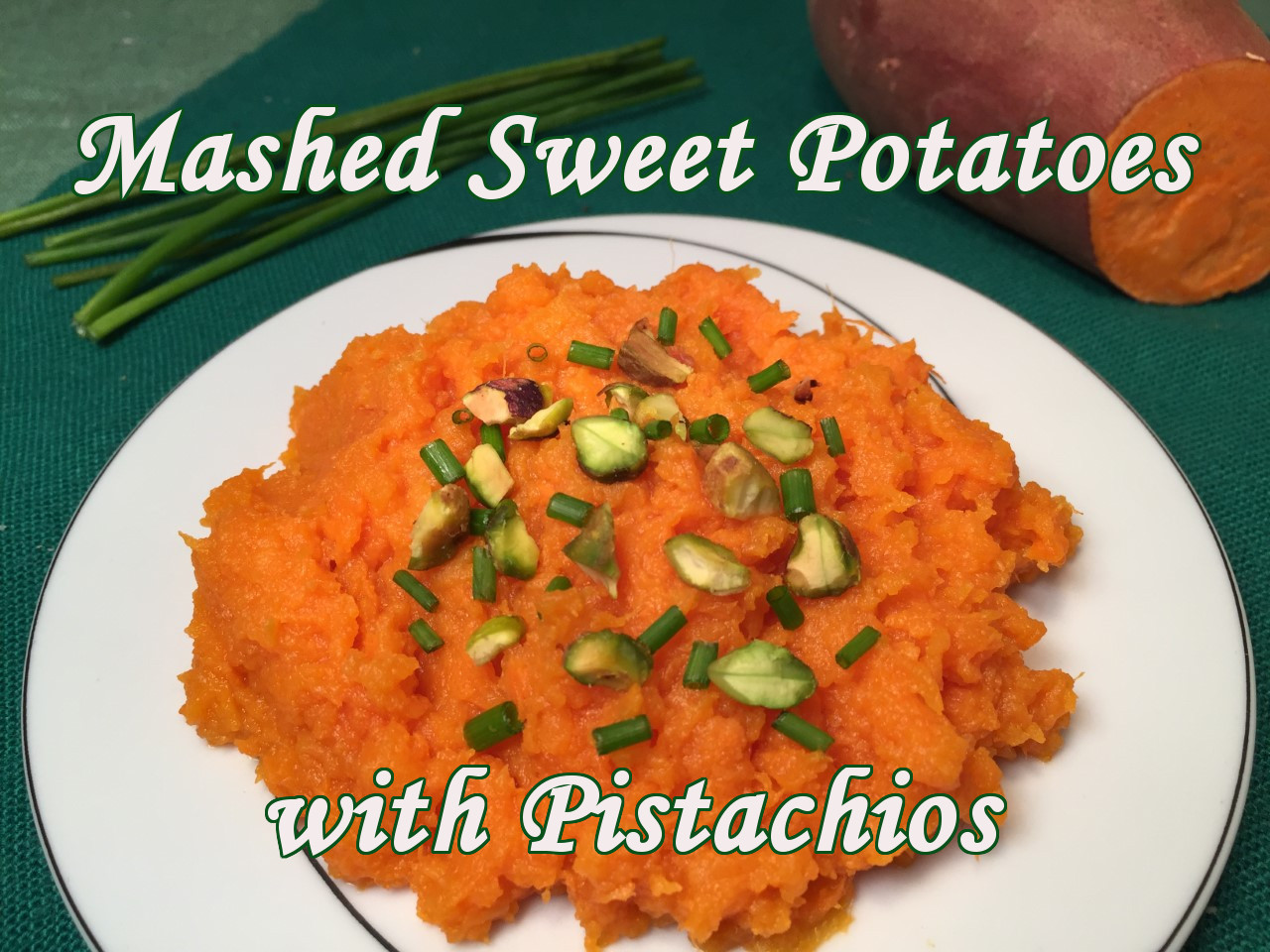
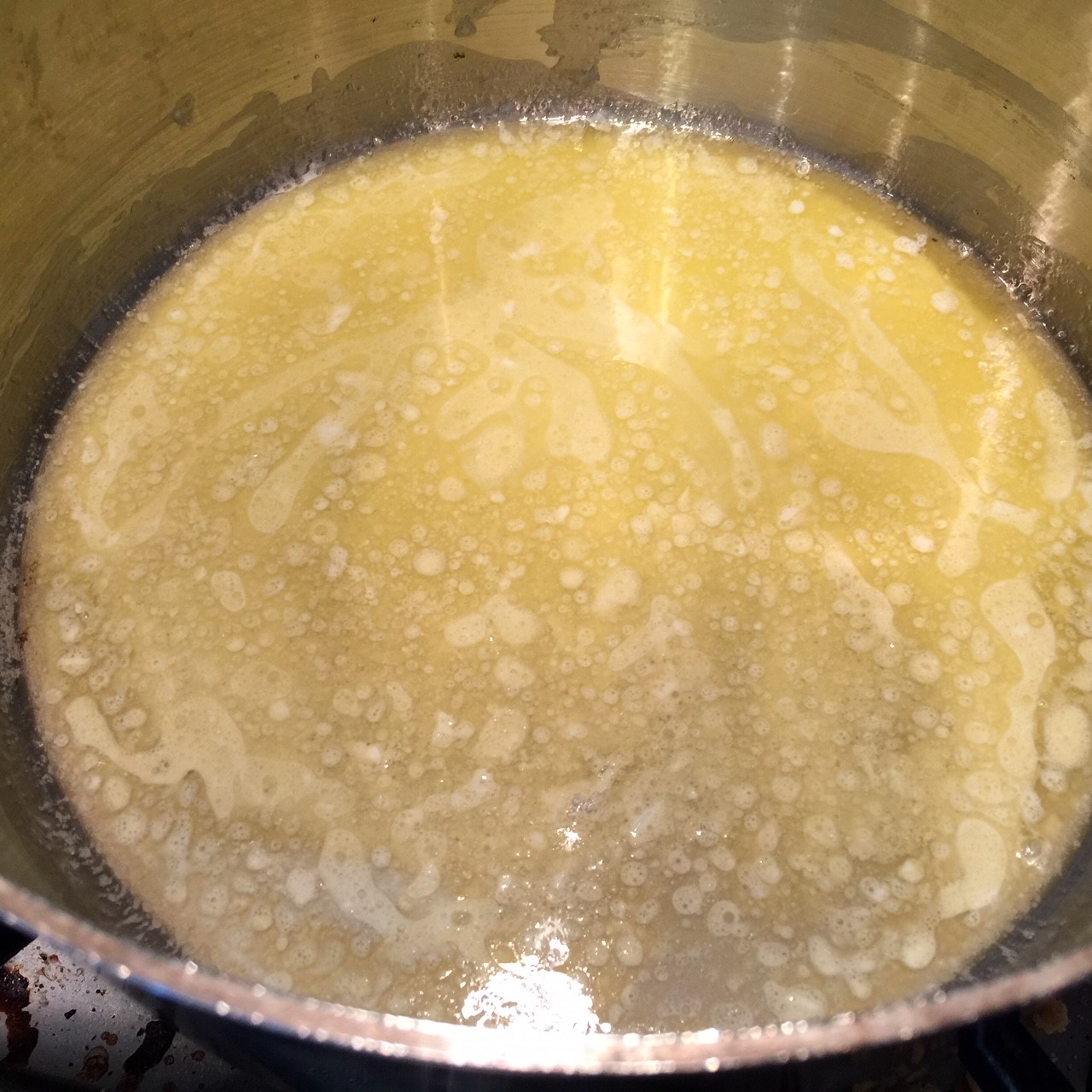
 In a saucepan over low heat, melt together the cream, butter, sugar, and salt.
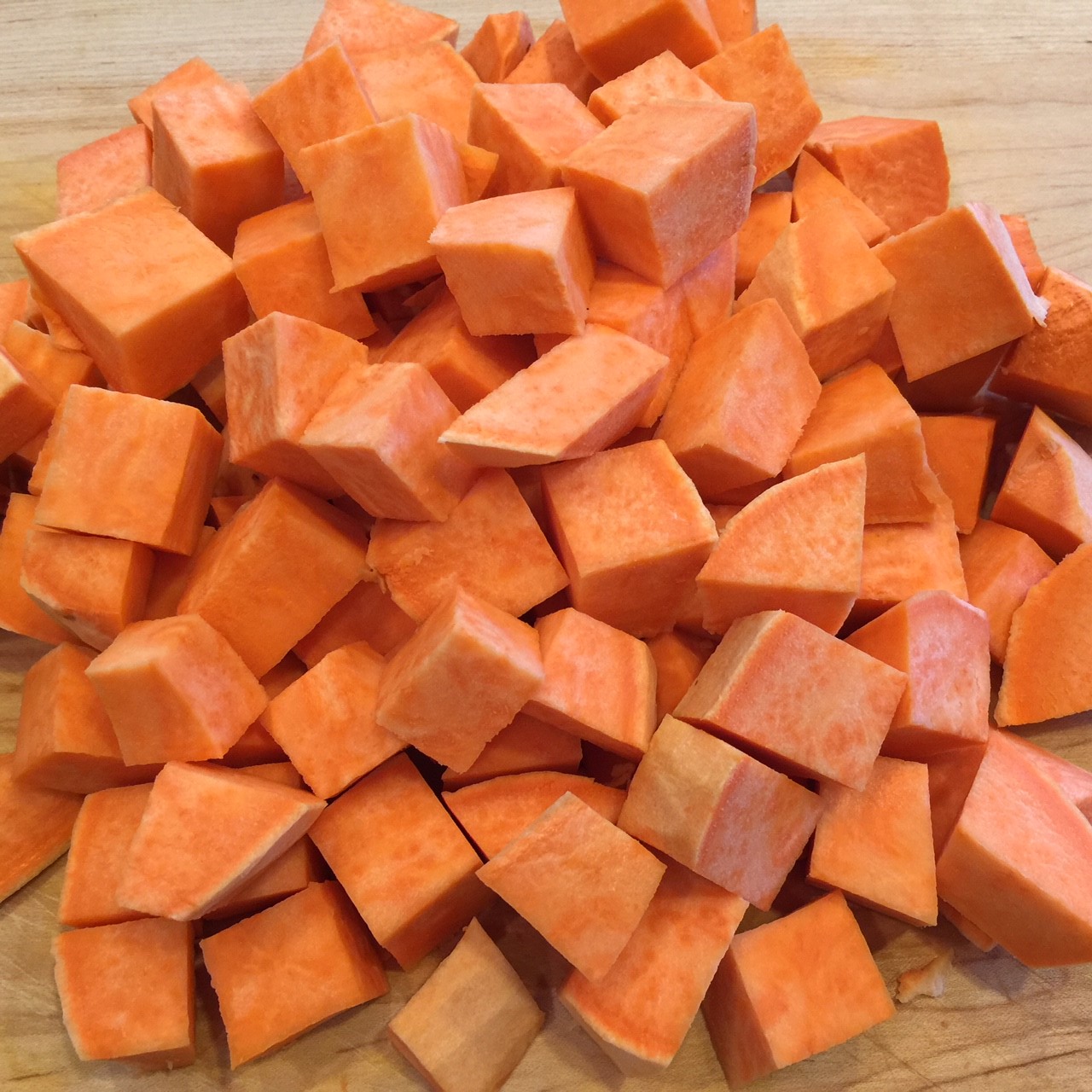
  Add in the sweet potatoes and stir to coat cubes.
  Cover pot and cook over low heat until easily pierced with a fork, stirring now and then. This should take about 17-25 minutes, depending on the type of sweet potato. If the liquid is almost absorbed but the sweet potatoes are still not completely cooked, turn off flame and leave covered to complete cooking.
 Adjust for seasoning – I usually add another 1/8 tsp salt. If desired (and I do desire!), top with chives and toasted pistachio nuts.
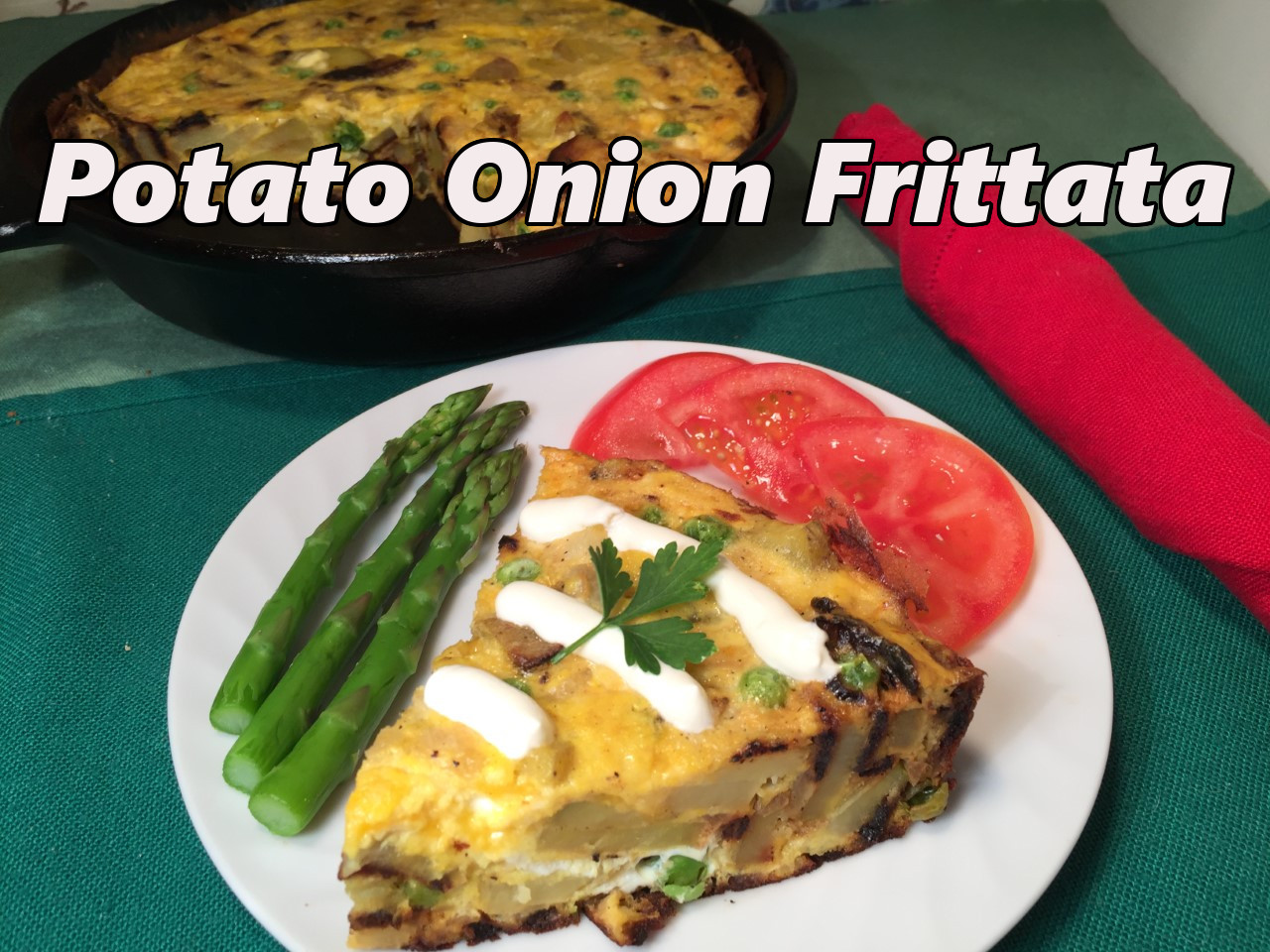 I had given up on frittata making. They stuck to the skillet and were rubbery. Although they looked enticing in photos, mine never came out right. I was done! That is, until I discovered the joys of cooking with a cast iron skillet.
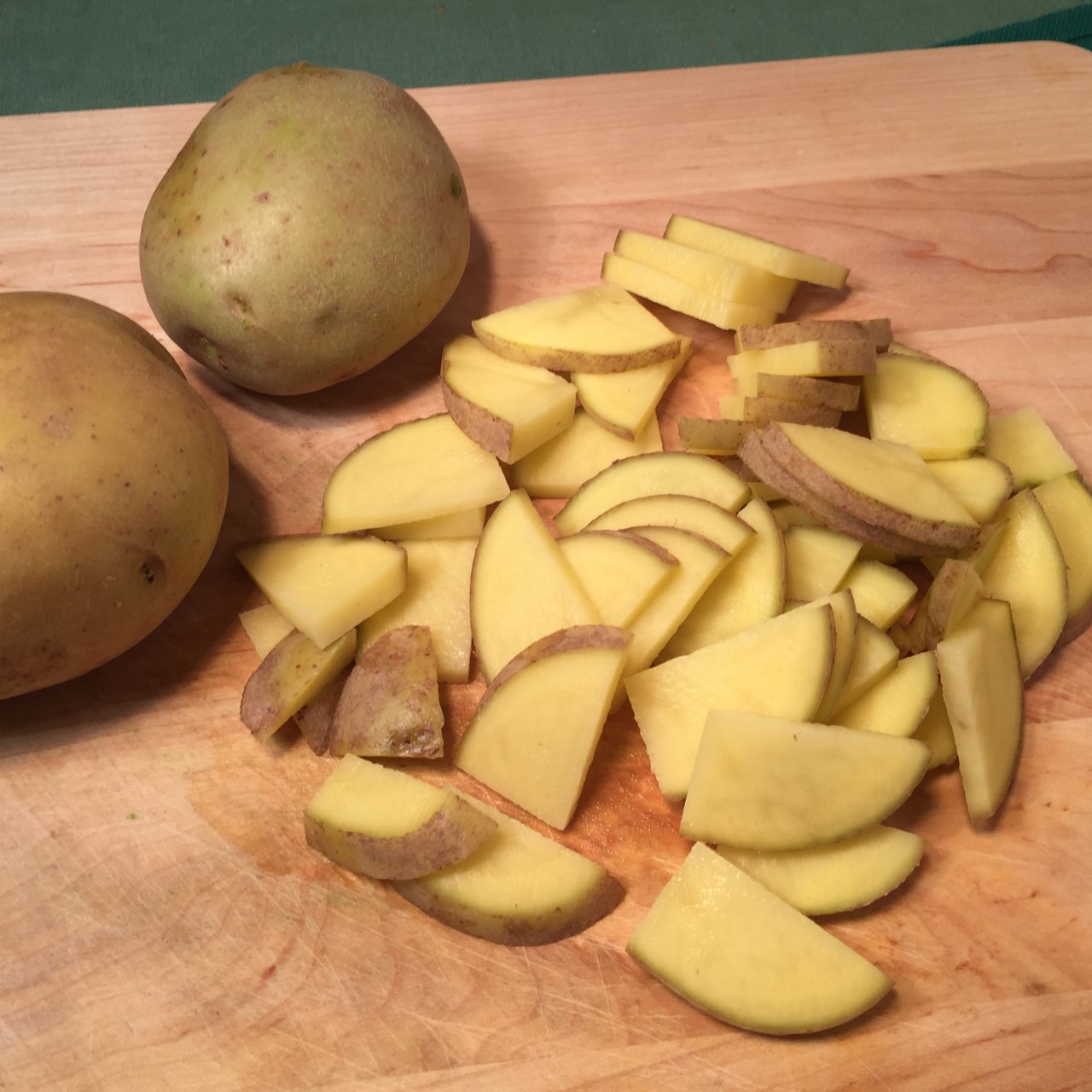
 Cut potatoes in half lengthwise, then cut each of those halves in half lengthwise. Slice each quarter widthwise into 1/8″ thin pieces.
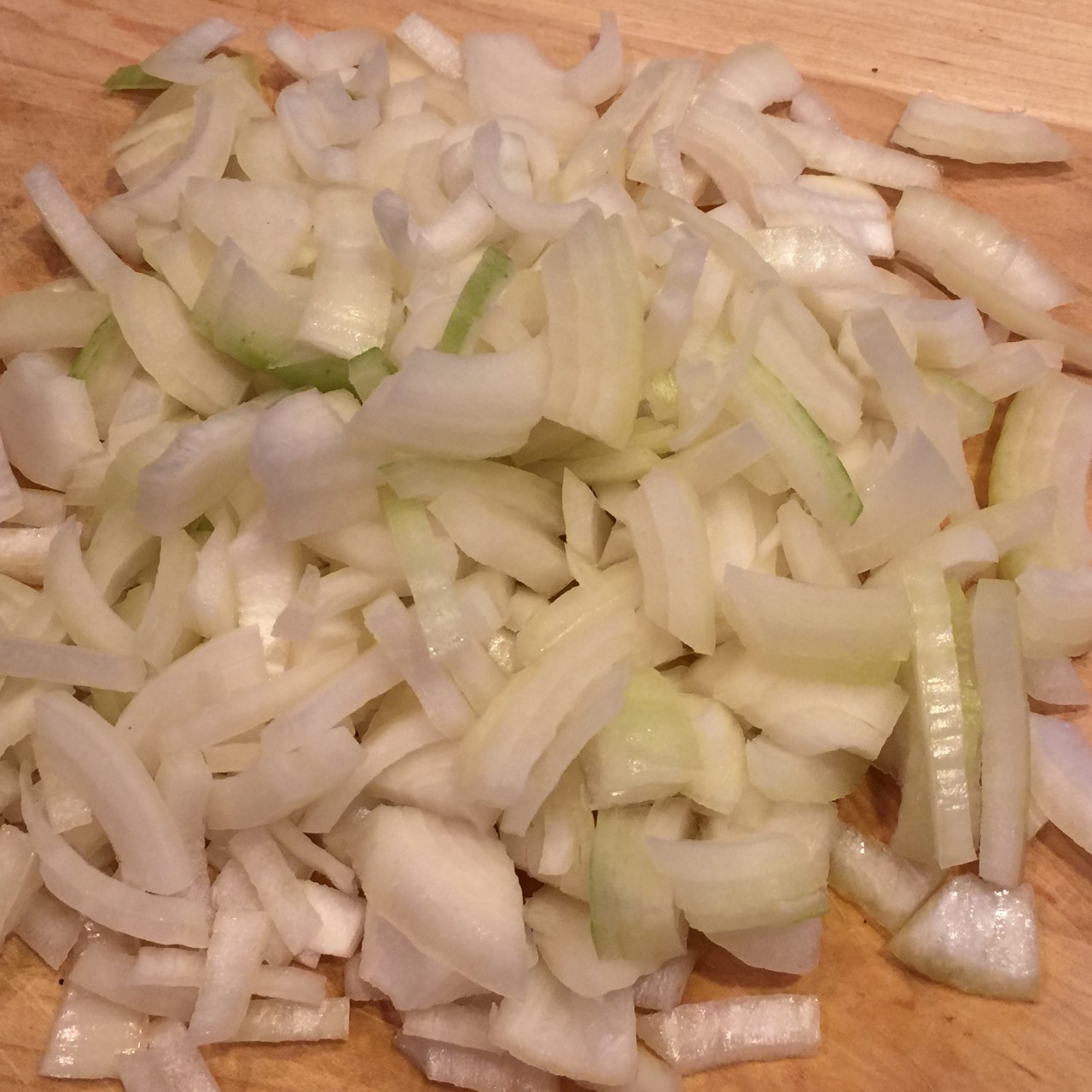
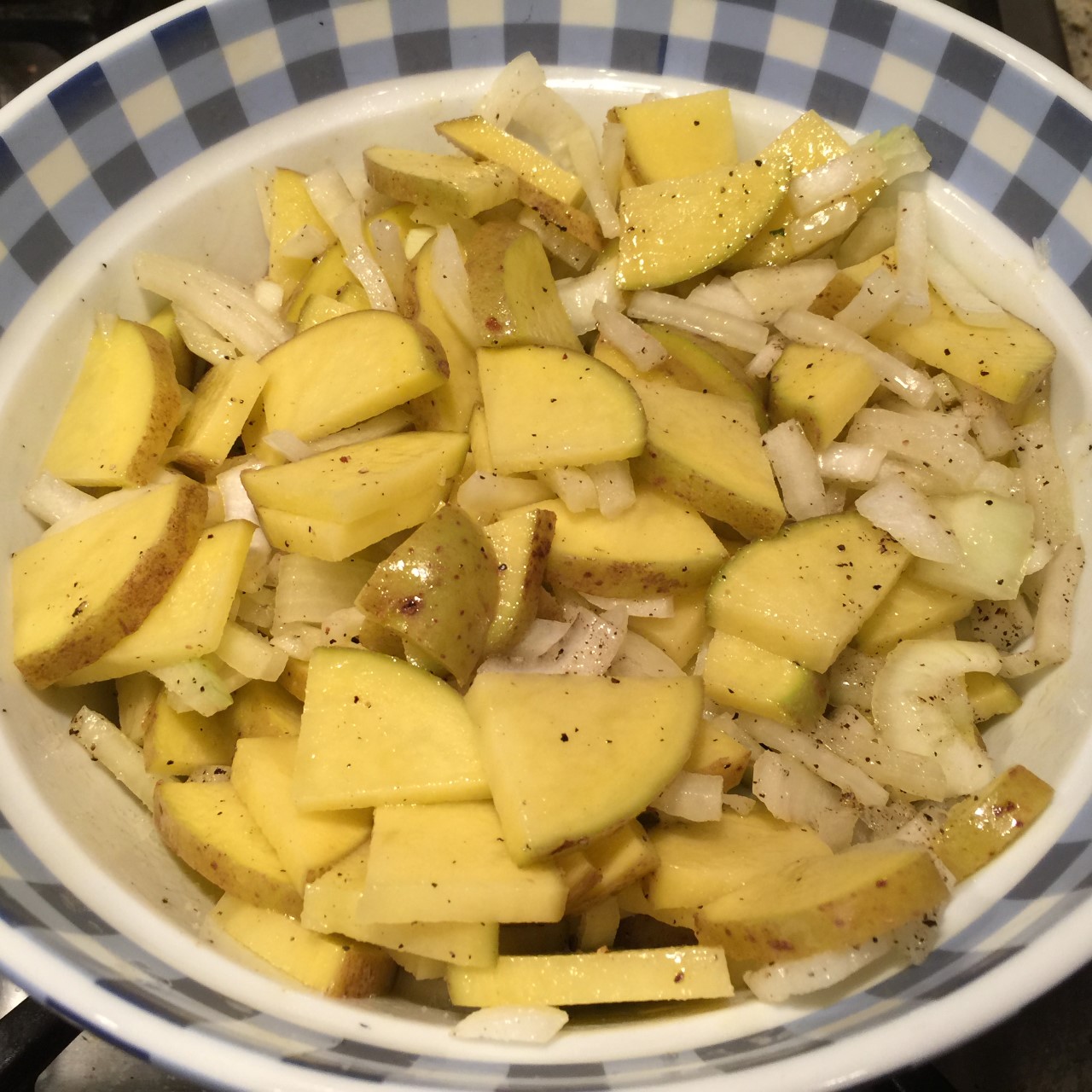
 In a mixing bowl combine onions, potatoes, olive oil,
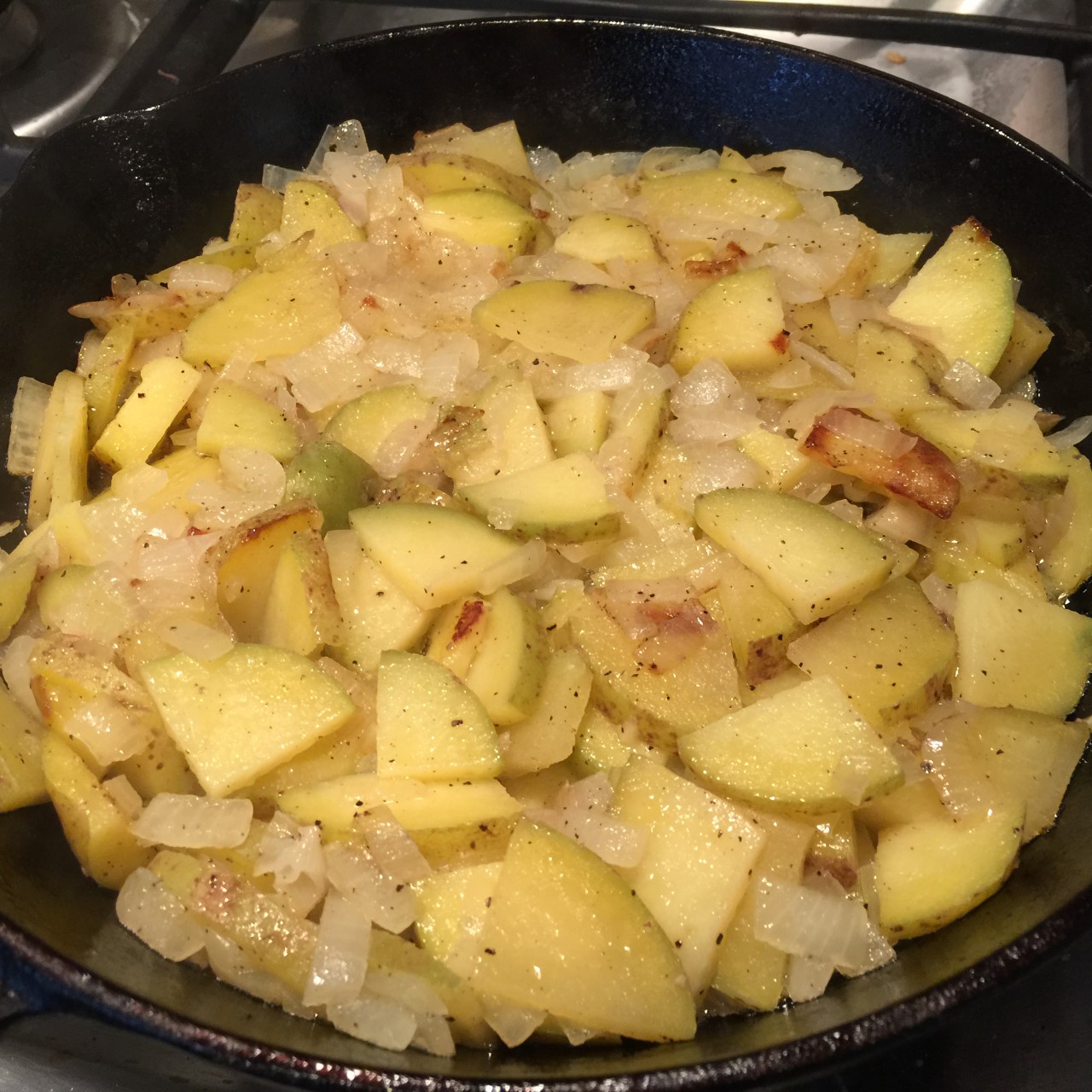
  Heat 10″ cast iron skillet over medium/high heat. Pour in potato/onion mixture and pat down with a spatula. Cover and cook for a total of 15 minutes, stirring every 5 minutes. (Set a timer for the 15 minutes, and another for the 5 minutes!)
 Into the now-empty mixing bowl (no need to clean it), beat the eggs with a whisk or fork. Beat in the sour cream, feta, cheddar, peas, and the remaining
 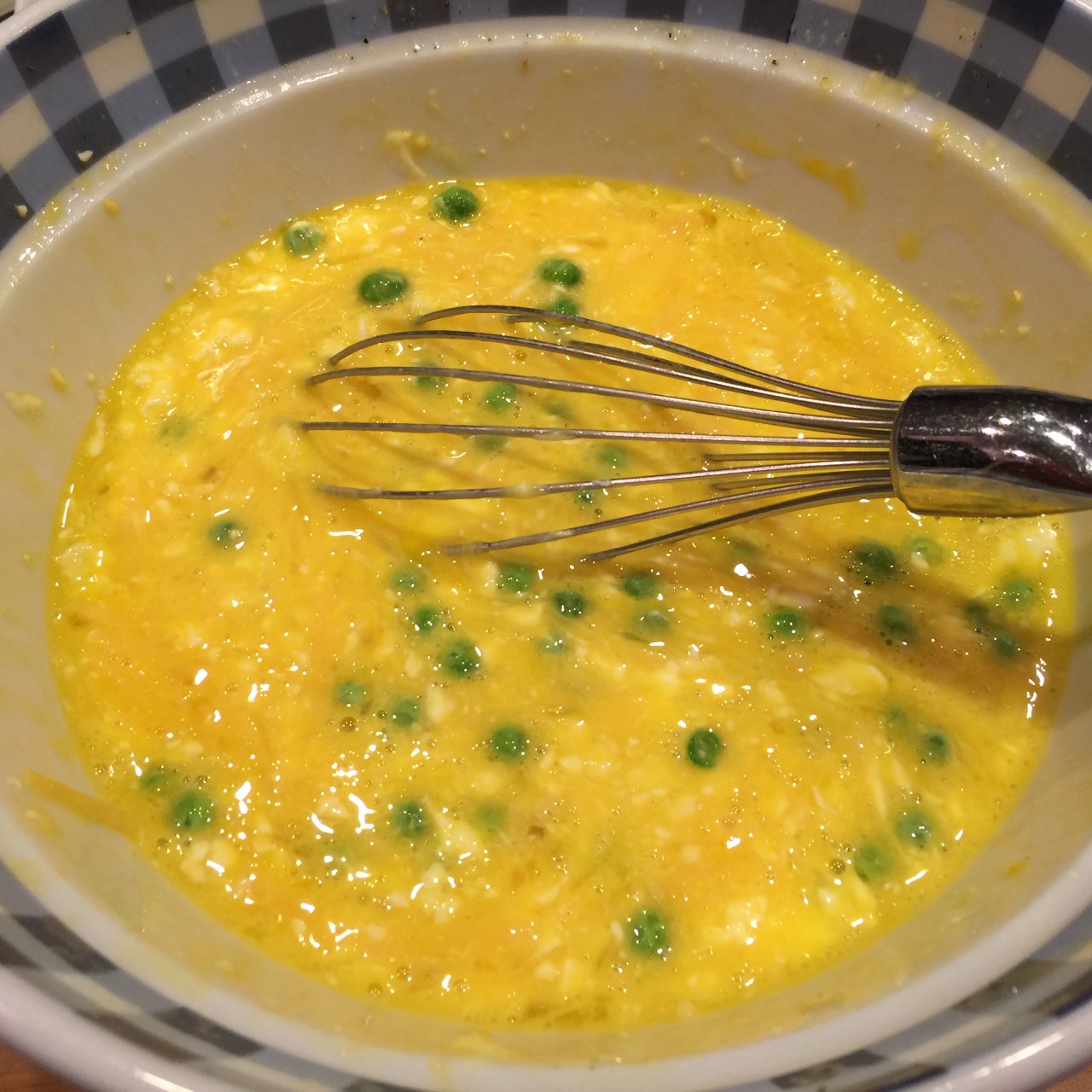 When potato/onions are cooked, pour into the egg mixture and stir together.
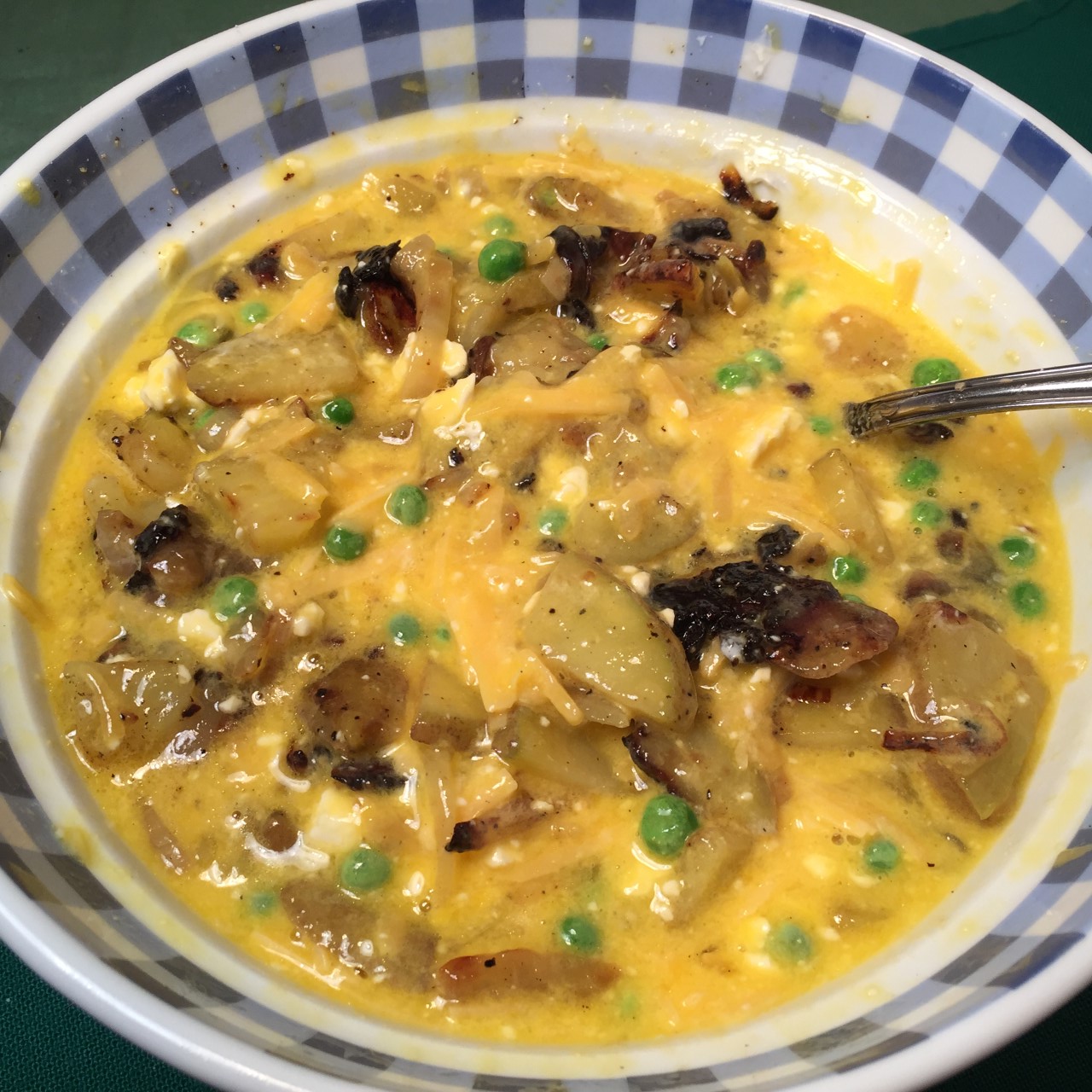 Then pour this immediately back into the skillet. Turn heat to medium/high and heat for 15 seconds, running a spatula around edges.
 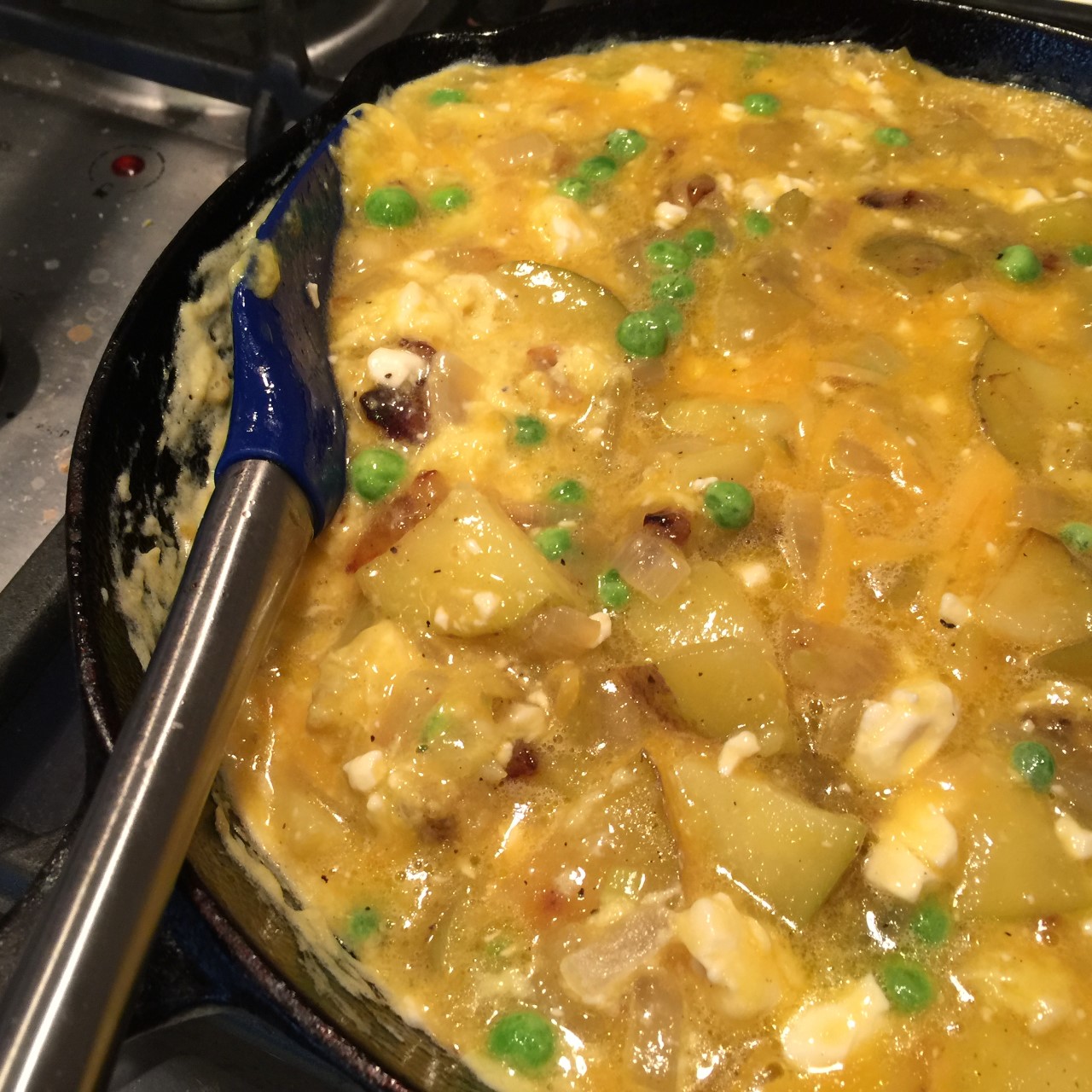 Cover and cook undisturbed at medium/high heat for 5 minutes. Remove lid and place skillet, uncovered, in the 350º F preheated oven. Bake for 15 minutes. (Don’t overcook or it will yield a tough frittata.) Remove from oven and let set for 20 minutes before slicing.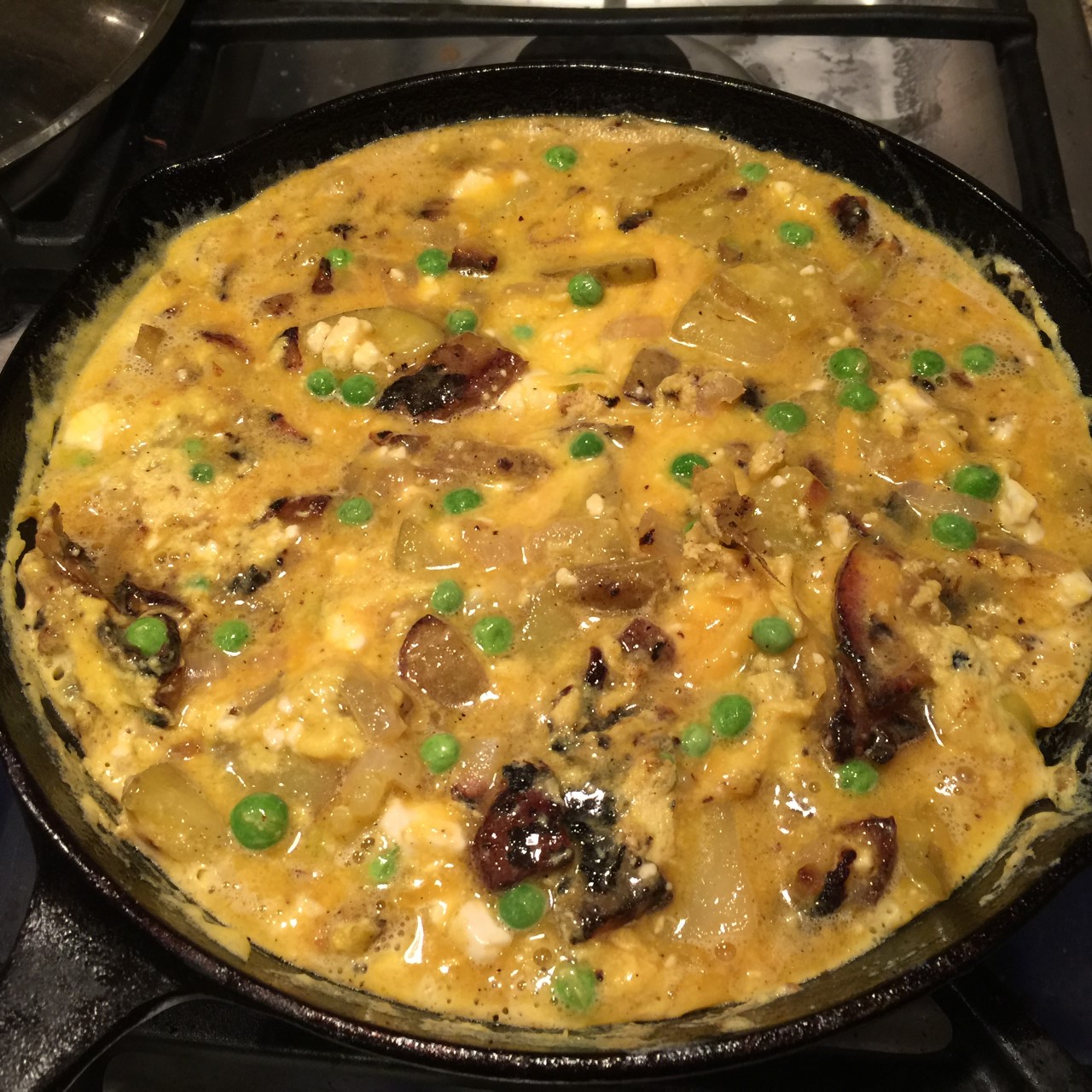
 Picnics and potlucks nearly always have a macaroni salad or two. Often it’s store-bought and kind of a watery mush. People eat it because it’s there.
 Pour into a large bowl.
 I admit that I may be a little obsessive about making things from scratch. I make my own tortillas, pasta, yogurt, desserts, and most breads. The reason? As I’ve gotten older, I’ve become a firm believer in “you are what you eat”.
 Empty dough into a greased bowl, flipping dough to grease both sides.
  Cover and place in a warm area to rise – about 1 hour.
  Pour dough onto floured board and cut into 6 pieces. Shape into a 2″ x 5″ rectangle and place on a parchment lined (or greased) cookie sheet. Cover with tea towel and let rise while you preheat the oven to 425º Fahrenheit – this will take about 1/2 hour. (If you have a portable oven thermometer, use it! Internal oven thermometers are often wrong.)
 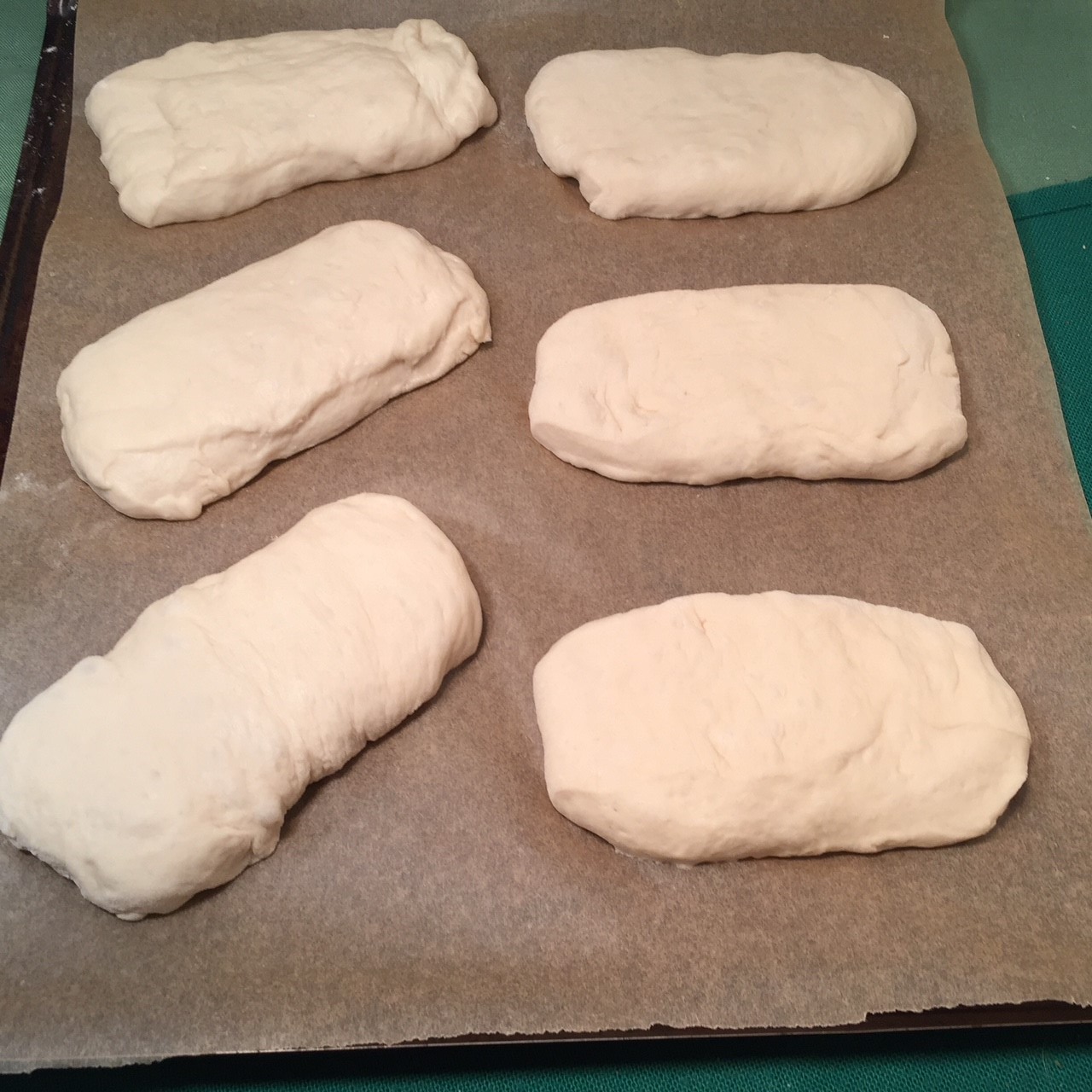 While dough is rising, mix together your topping blend. (I like to use 2 T Parmesan, 2 T dried minced onion flakes, 1/2 tsp garlic powder, and 1/8 tsp salt.)
 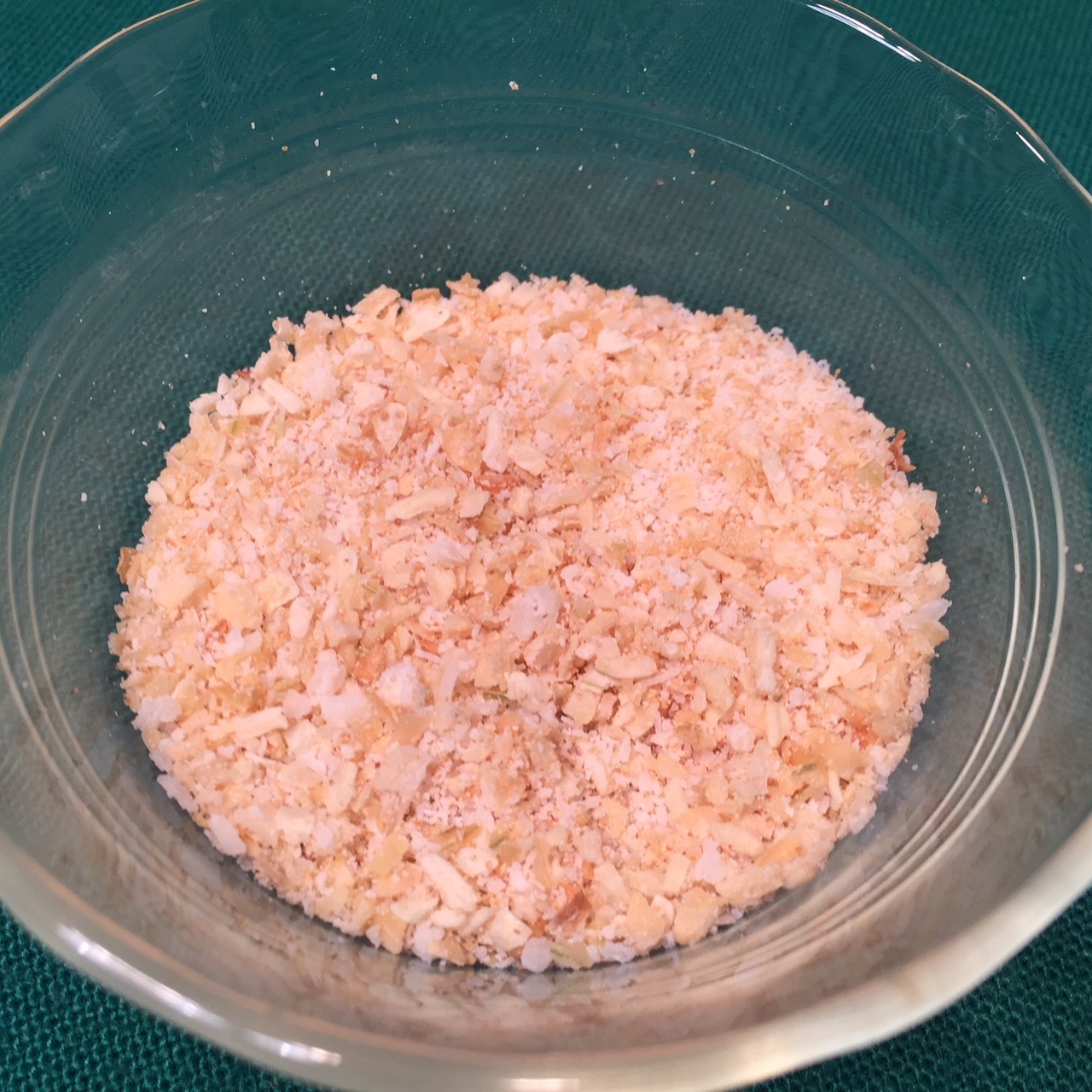 When oven is hot, one by one, gently brush milk onto top of dough then sprinkle on topping. Lightly press down on topping to make it stick.
  Bake at 425º F about 15 minutes, rotating sheet halfway through. You’ll notice significant rise to the rolls after a few minutes. When golden brown, remove from oven to a wire rack.
  Let cool before slicing.
 Vegetarian Cooking For Carnivores BLOG