
 I’m not sure when it happened but, for better or worse, every year new foods become pumpkin flavored during Autumn.
Pumpkin pie? Sure – I’ll eat that maybe once a year…unless there’s a better choice.
Pumpkin ravioli? Yeah – a small amount encased in pasta is fine… now and then.
BUT, Pumpkin Scones? Heck, yeah! I’ll have those anytime – especially with a maple drizzle.
Scones are super fast and easy to make – the less you mess with them, the more tender they are! So jump on board the pumpkin trend and try these delicious Pumpkin Scones!
Note: As self-proclaimed Queen of Freeze, I feel obliged to suggest (or nag) you freeze the unused pumpkin in portion sized amounts for future use. This recipe only requires 1/2 cup, so there’s plenty leftover from the can.
PUMPKIN SCONES – makes 8 scones
- 8½ oz (240 g) (2 cups) all-purpose flour
- 2 oz (57 g) (1/3 cup) dark brown sugar
- 1½ tsp cinnamon
- 3/4 tsp ground cloves
- 1 tsp baking powder
- 1/2 tsp baking soda
- 1/2 tsp powdered ginger
- 1/2 tsp nutmeg
- 1/4 tsp salt
- 1/2 cup cold butter
- 1 egg
- 118g (1/2 cup) canned pumpkin
- 38g (3 T) milk (any kind – I use nonfat)
- 2 tsp vanilla
- Maple Drizzle – recipe follows at the end
Preheat oven to 200°C (400ºF).
In a medium sized bowl, mix together the flour, brown sugar, cinnamon, cloves, baking powder, baking soda, ginger, nutmeg, and salt. Cut the cold butter into small pieces and add to dry ingredients. Cross-cut using 2 knives to break up butter into pea-sized pieces.
(If using the food processor, place butter with dry ingredients and pulse about 8 times – until the butter becomes pea-sized. Empty into a medium sized bowl.)  In a small bowl, whisk together the egg, pumpkin, milk, and vanilla. Pour the wet ingredients into the dry and gently fold to mix.
 Empty onto a well-floured counter and knead about 5 or 6 times. (I use a bench scraper to help since the dough is sticky.)
  With floured fingers, pat dough into an 8″ circle (try to keep the dough to an even thickness) and cut into 8 wedges.
 Place on a greased or parchment lined cookie sheet (I prefer a dark sheet that’s greased.)
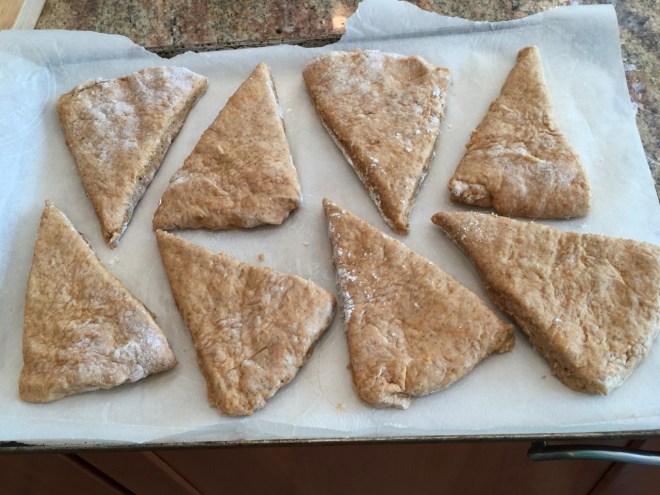 Bake at 400º F with the rack in the middle position for about 16 minutes. They’re at their best when they’re slightly dark on the bottom.
 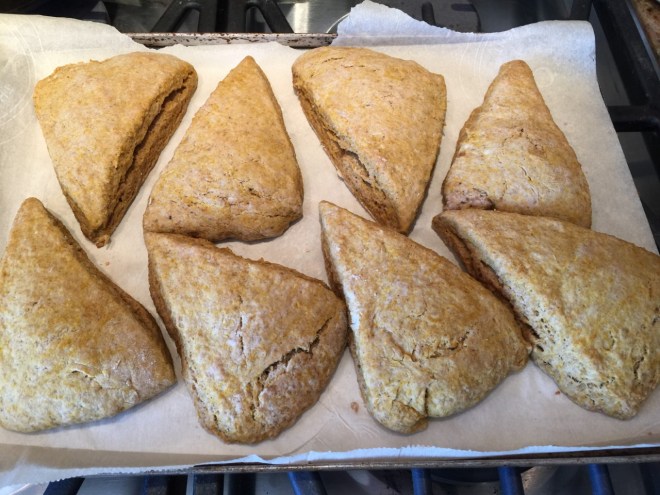 The last time I baked them, I thought I overcooked them (see photo), but they were amazing – a slight crunch on the outside and perfect chew inside. So when you check them for doneness, look for slightly dark sides.
  Then remove from oven onto wire rack to completely cool before icing.
MAPLE GLAZE
- 1 T butter
- about 29g (1/3 cup) confectioners sugar
- 1/2 T maple syrup (use the pure syrup)
- 1/2 tsp vanilla
Melt butter. Stir in confectioners sugar, maple syrup, and vanilla. Blend well, smashing any sugar lumps. If icing is too thin, add more sugar; if too thick, add a little milk.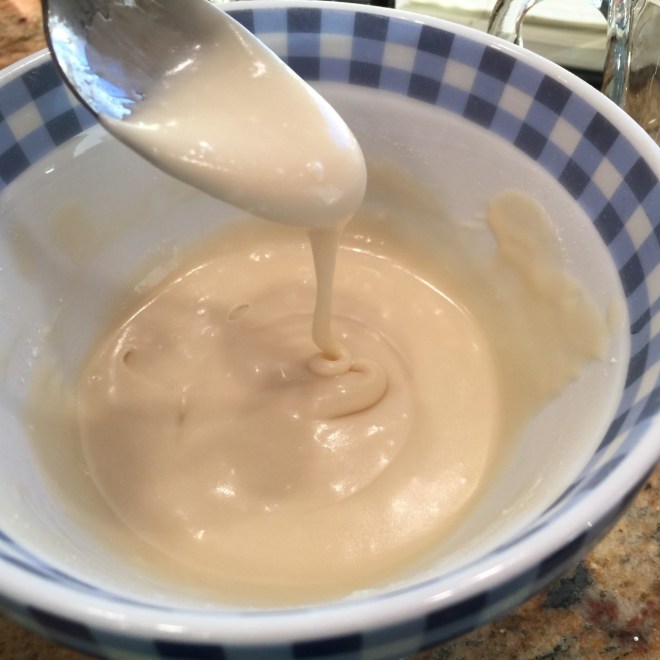 For easier control over the drizzle, pour icing into a spouted cup or a pastry bag with a small circle tip. Design as you wish.
 Allow icing to harden before serving.
 I love Indian food! In particular, I look forward to the soft chewy naan bread. I previously posted a plain naan bread recipe (
 During the half hour wait, sauté the onions: In a skillet put 3 T olive oil, the onions, and salt.
 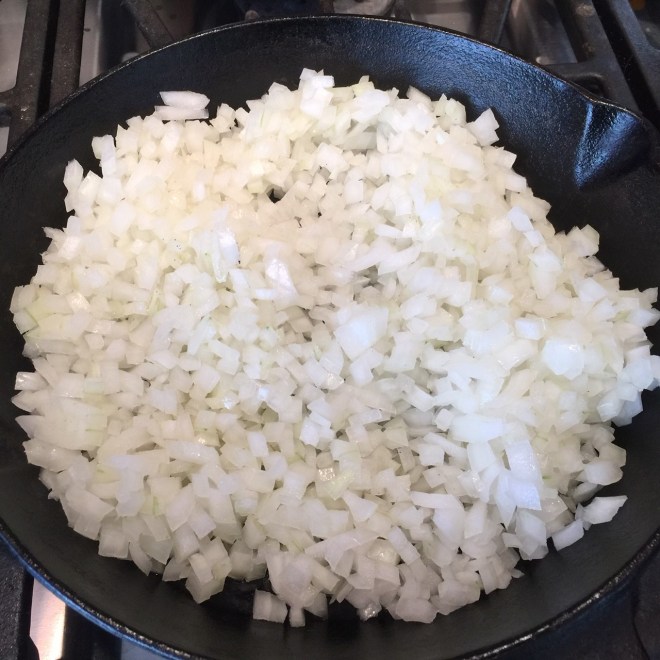 Over medium to medium/high heat cook until onions are well browned. Adjust heat as necessary. (This step can be done ahead of time.) Remove from heat to cool a bit.
 Once the dough has set for 1/2 hour, add in 3 T olive oil, buttermilk, baking powder, onions, and about 125g (1 cup) of the flour. Blend to combine and break down onion somewhat.
 Add flour in increments until you get a dough that’s only slightly tacky to the touch.
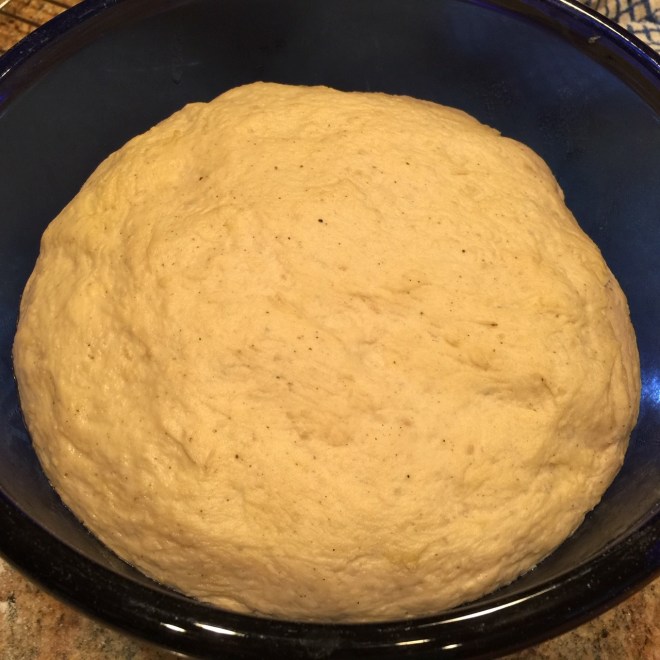
 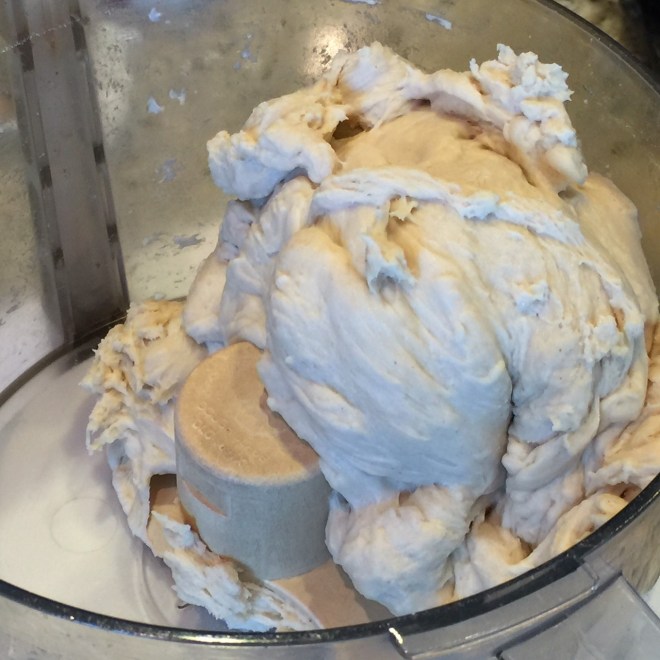 Pour dough into an oiled bowl, flip dough so both sides are oiled, and cover. Let rest about 1 hour, until doubled in size.
 Pour dough onto a lightly oiled counter (not floured). Cut into 8-12 pieces, depending on how large you want them.
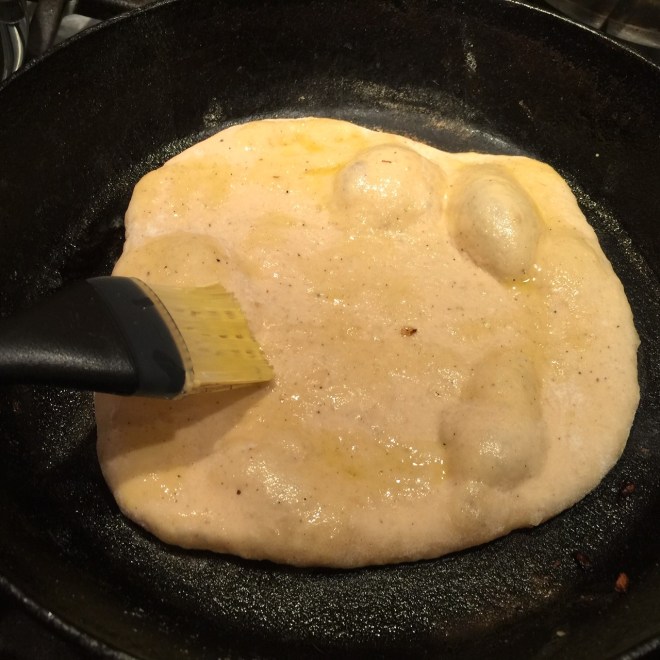 As it’s cooking, roll out next dough ball(s).
 Remove to a tea towel and wrap to keep warm.


 Taste for seasoning, adjusting as needed.
 Green Chili Stew is an incredibly tasty blend of flavors that’s quick to put together. The little pop of lime is my favorite part!
 If you’re using fresh chilis, turn oven to broil. Wash and cut pepper and chilis top to bottom. Discard seeds and ribs. Lay cut side down on cookie sheet.
 Broil until skin starts to blacken. (It only takes a few minutes, so keep an eye on it!!!). Remove and discard blackened skin.
 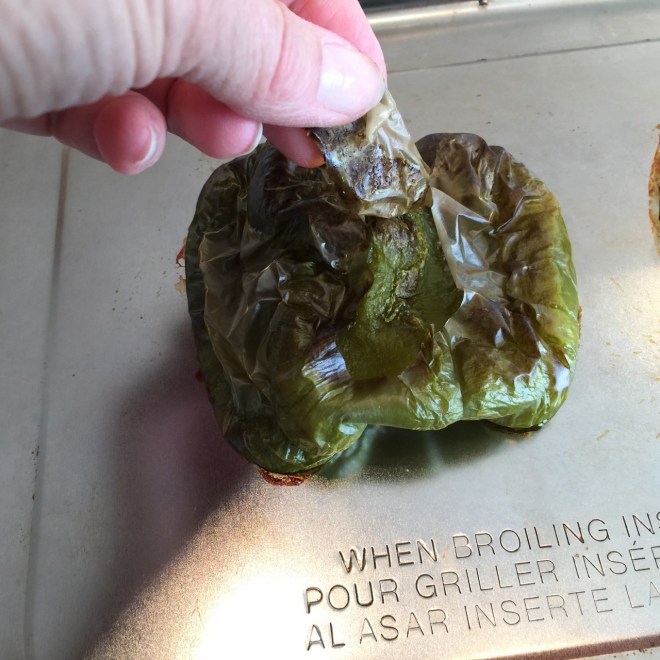 Chop skinless pepper and chilis into bite-sized pieces.
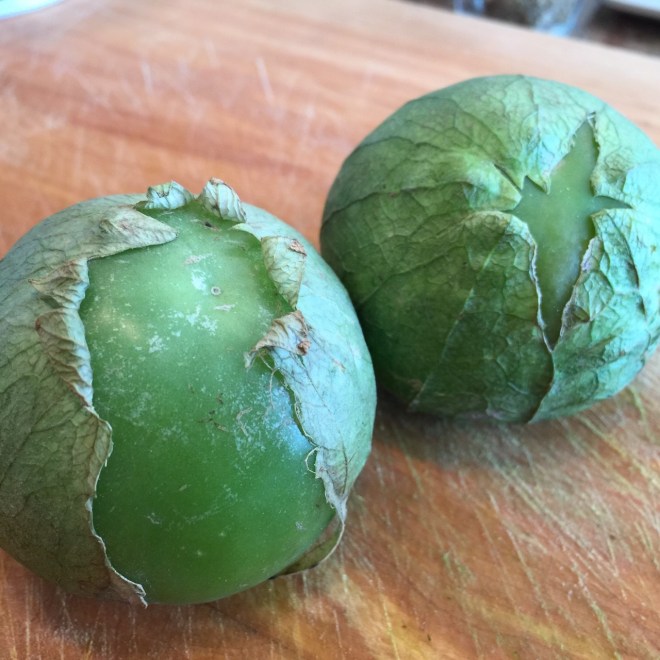 Wash tomatillos well (they feel kind of waxy) and chop into bite-sized pieces.
  In a Dutch oven, place the oil, onions, garlic, cumin, coriander, and 1 tsp salt. Sauté over medium/high heat 4 minutes, stirring often.
 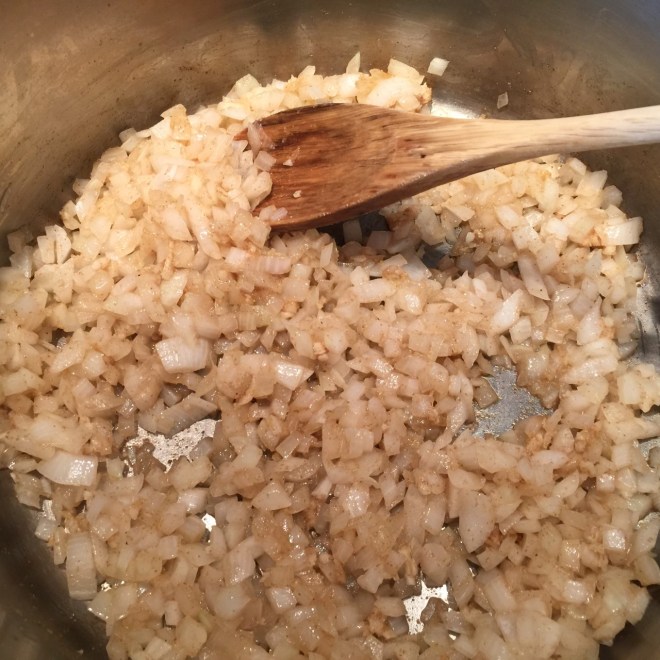 Add in corn, chilis, and pepper – cook 3 minutes, stirring often.
 Add in hominy, beans, tomatillos, vegetable stock, and fake chicken or tofu. Turn burner to medium/high heat, bring to a boil, cover, and reduce heat to keep a simmer. Cook for 20 minutes. Stir in cilantro, lime juice, and additional salt, if needed (I usually add in 1 tsp salt).
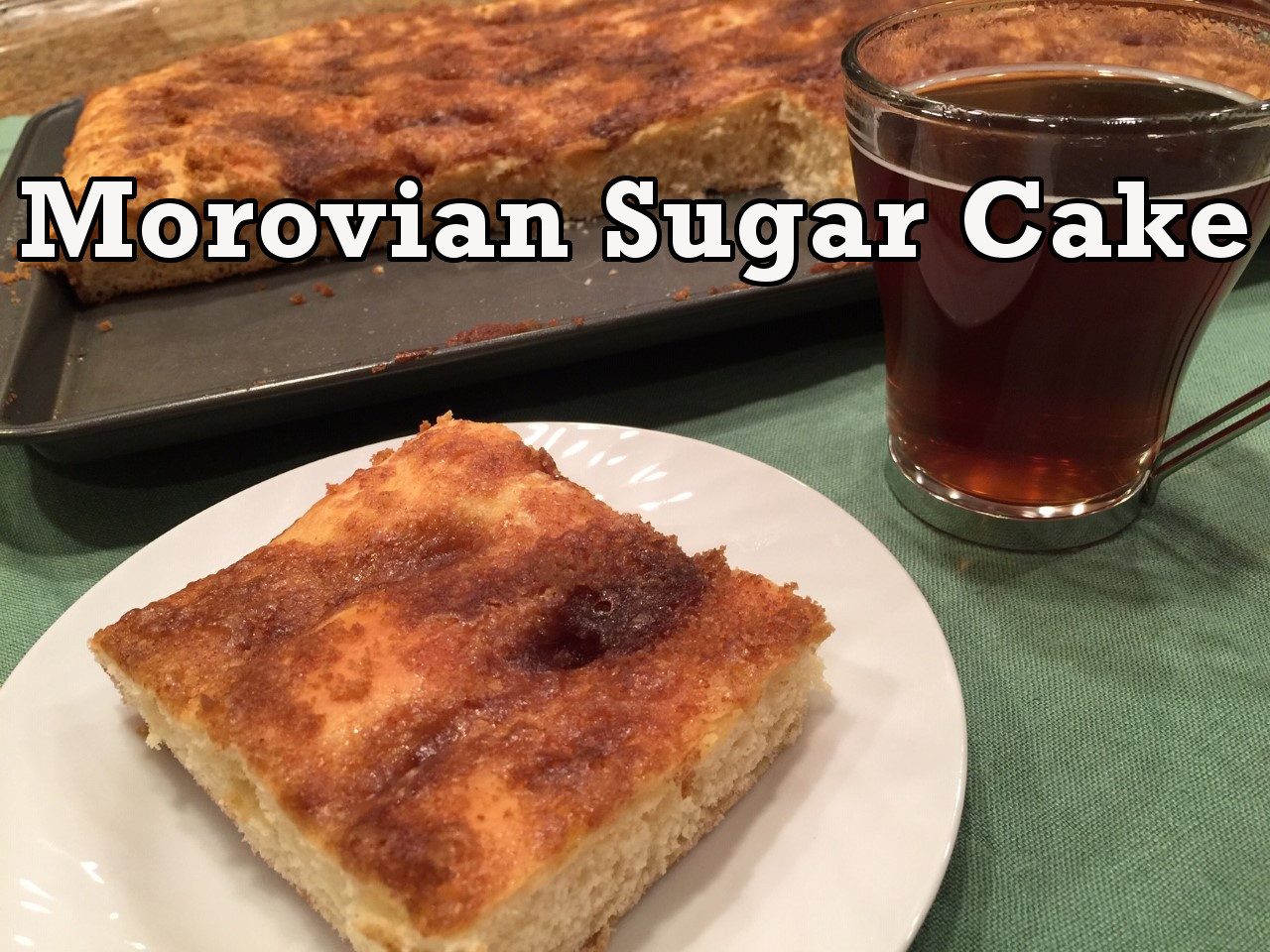 My introduction to Morovian Sugar Cake was a little bittersweet.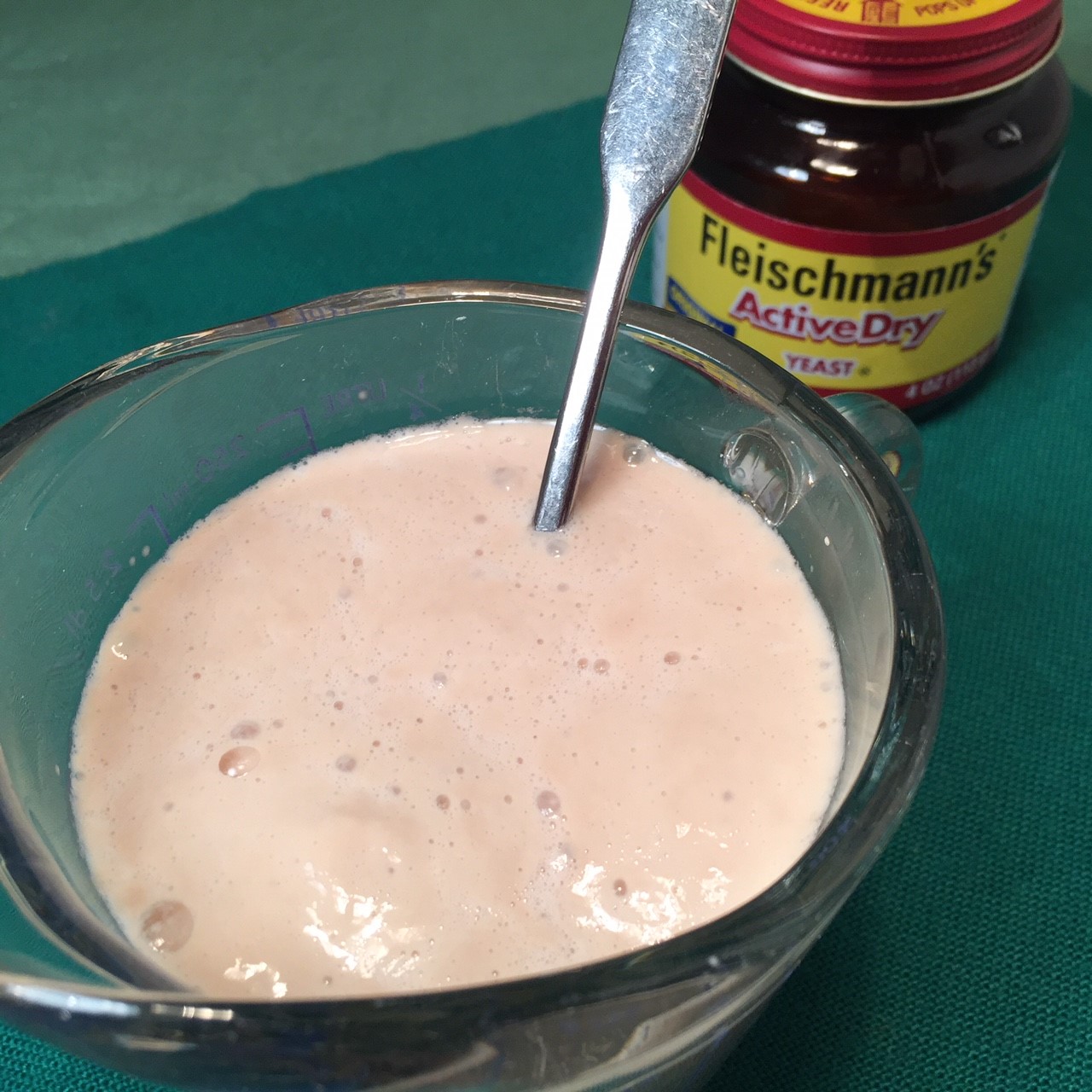
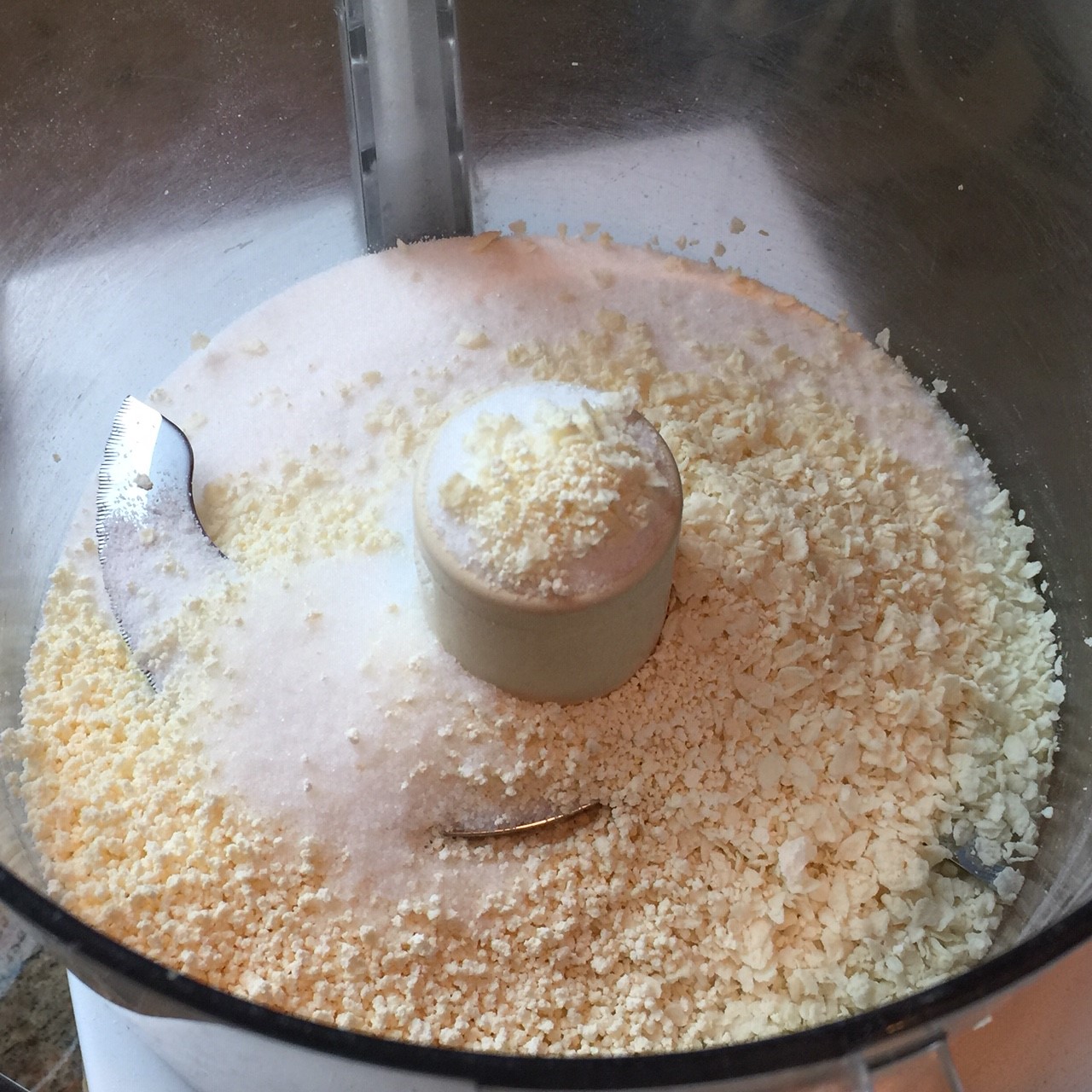 Add in 84g (6 T) butter and eggs. Process to blend.
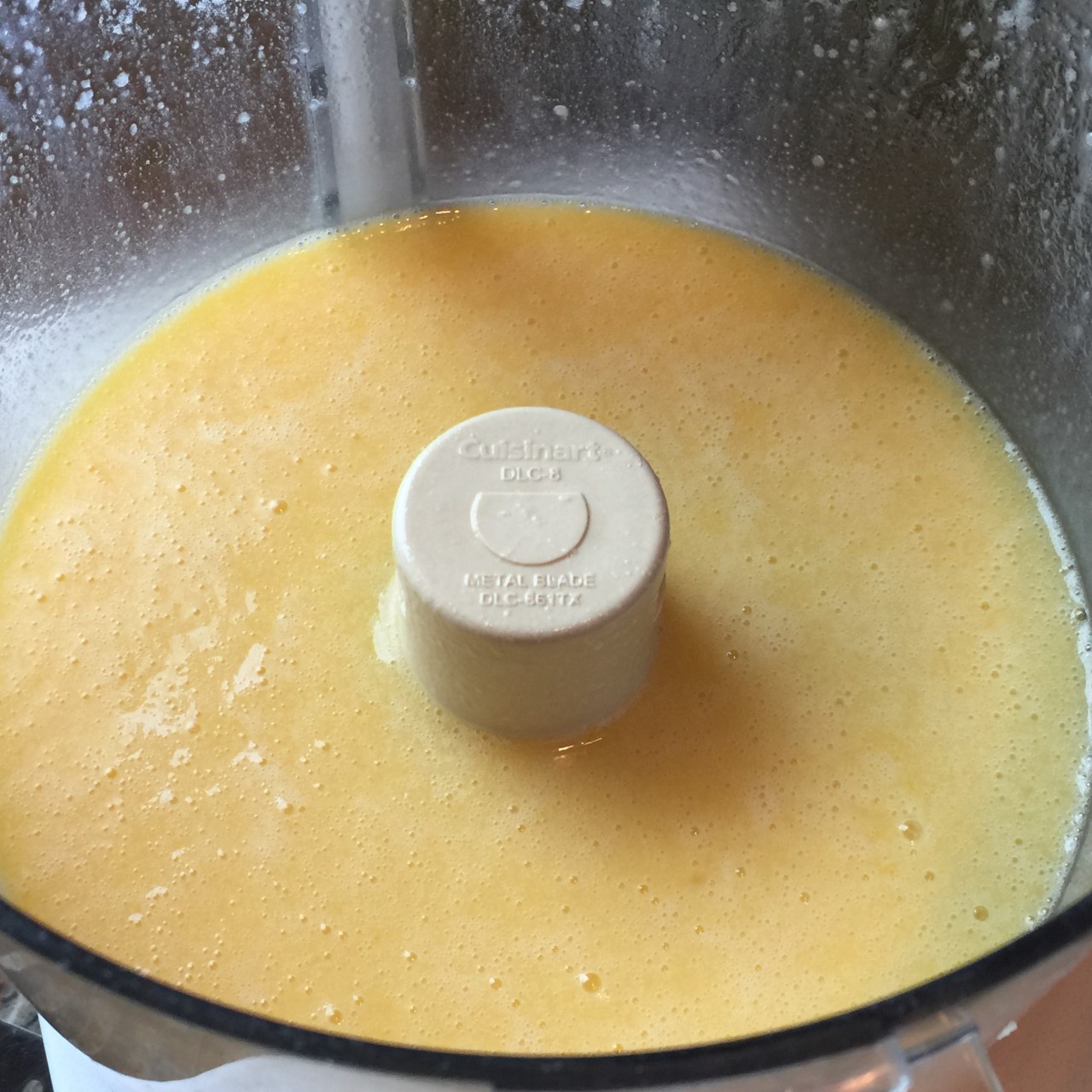 With machine running, pour in the proofed yeast water.
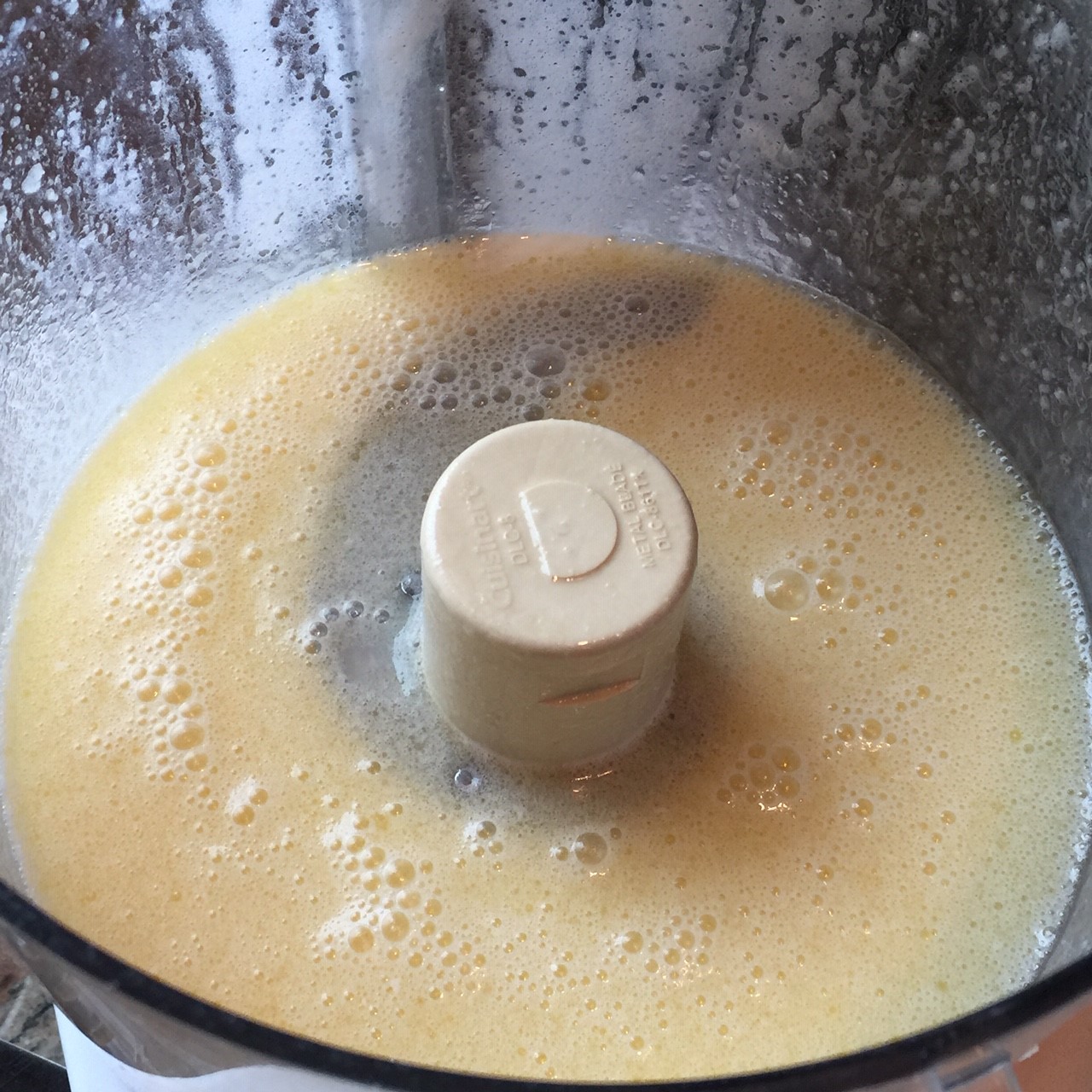 Add 400g (3½ cups) to processor and blend. Add flour 25g (¼ cup) at a time, processing after each, until dough starts pulling away from sides of the work bowl. Stop adding flour, and run machine another 30 seconds to knead the dough. Empty dough onto a floured surface and knead a few times to bring together.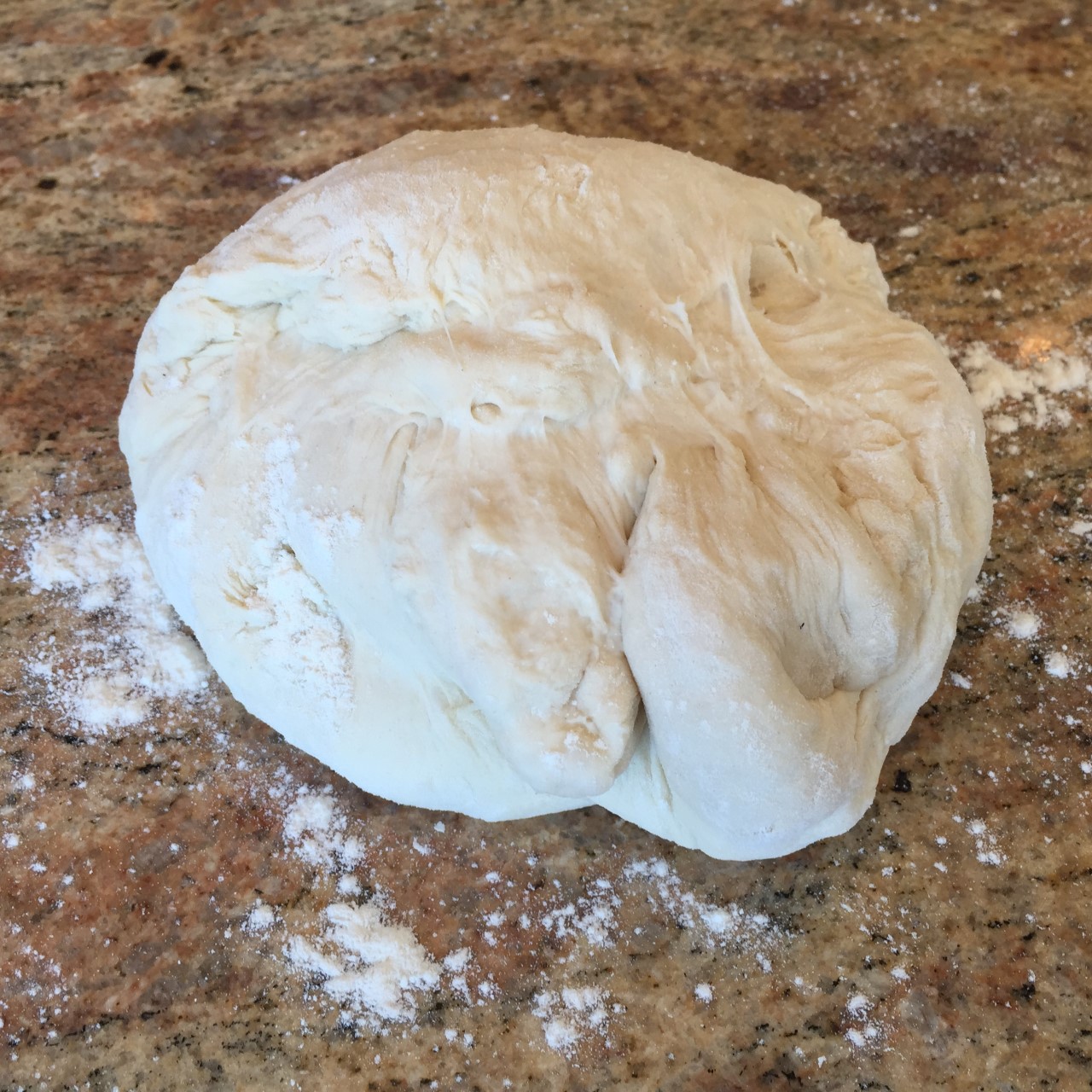


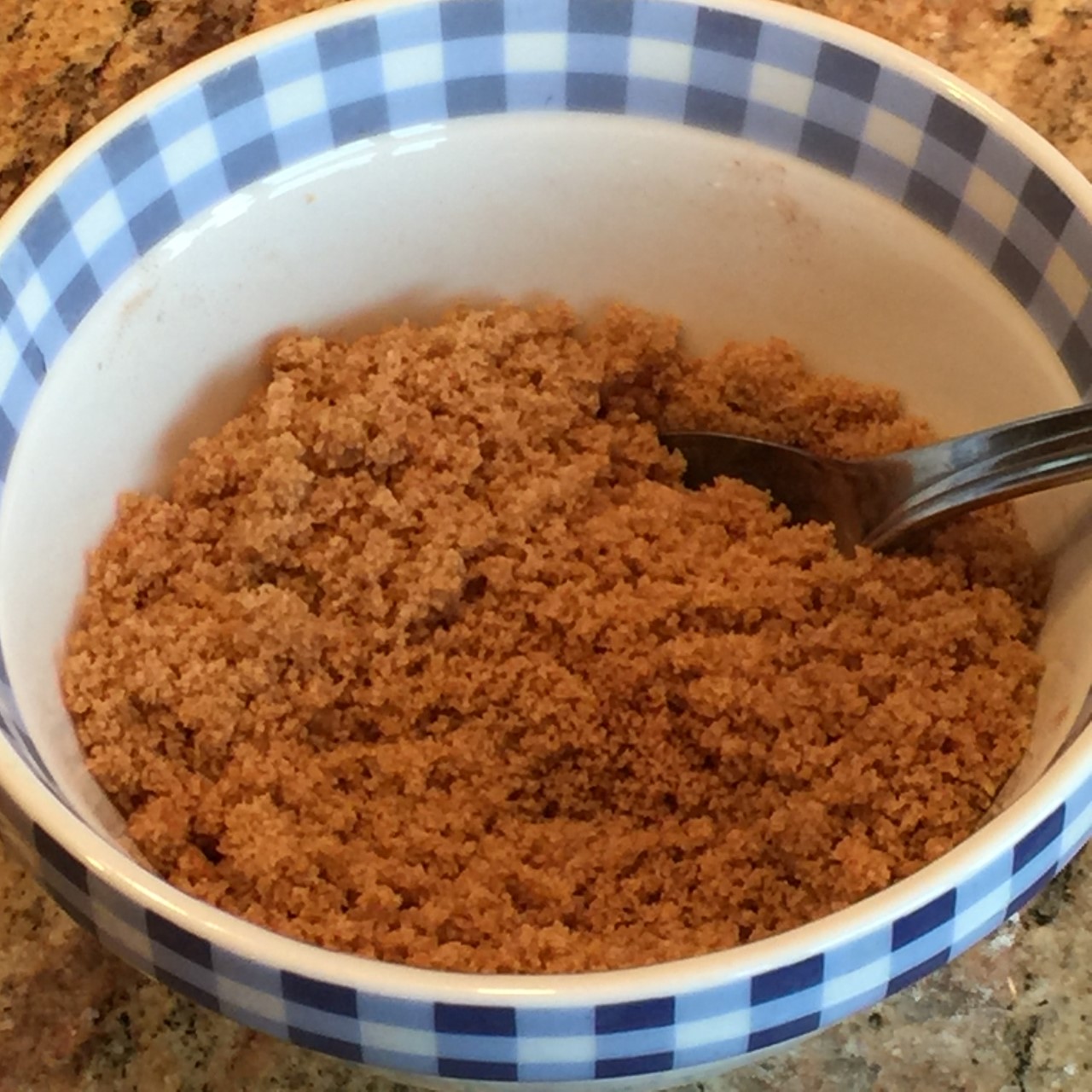 After dough has risen, create pockets with your fingertip, the handle of a wooden spoon, or something else that’s about 1/2″ diameter.
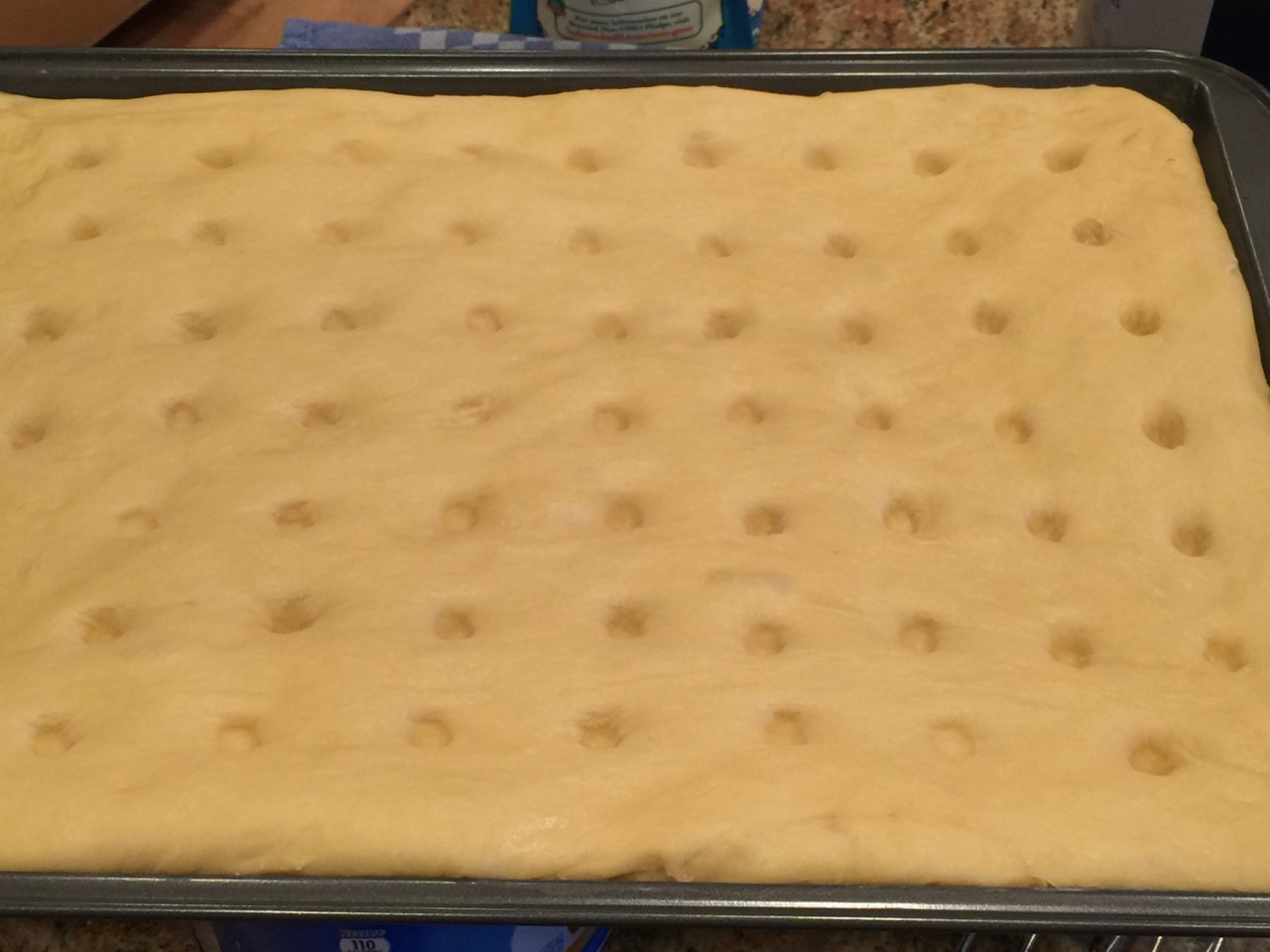 Sprinkle the sugar topping over the entire cake. Drizzle the remaining 84g (6 T) melted butter over all.
  Bake at 350º F for about 20 minutes, until golden brown.
  Cool at least 5 minutes before serving.
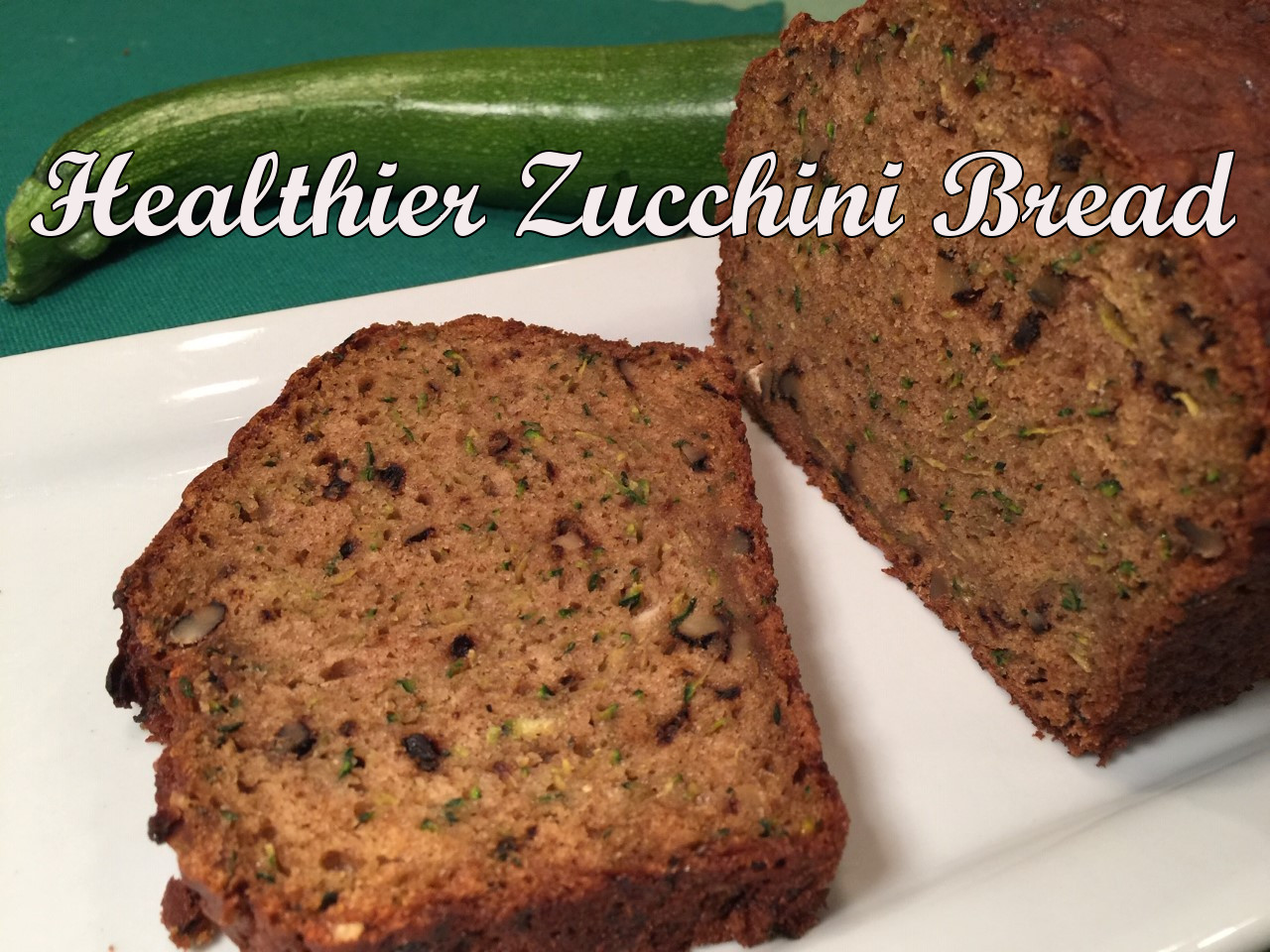 They’re out there and they’re coming – those overzealous gardeners who plant way too much zucchini. You can hear the pleading in their voices – “You want some zucchini? We have lots!”
 Using the large holes of your grater, shred the zucchini. (You can use your food processor or do it by hand.) You’ll have about 5 cups of zucchini. Take a handful of the zucchini and place it in the center of a clean tea towel. Gather the edges together and twist the ball firmly to extract as much liquid as you can. Do this with all the zucchini. (It’s better not to put too much zucchini in the towel at one time.) Discard the liquid, unless you can think of a use for it.
 In a large bowl, beat the egg whites, sugar, oil, vanilla, and vinegar by hand.
 Stir in zucchini.
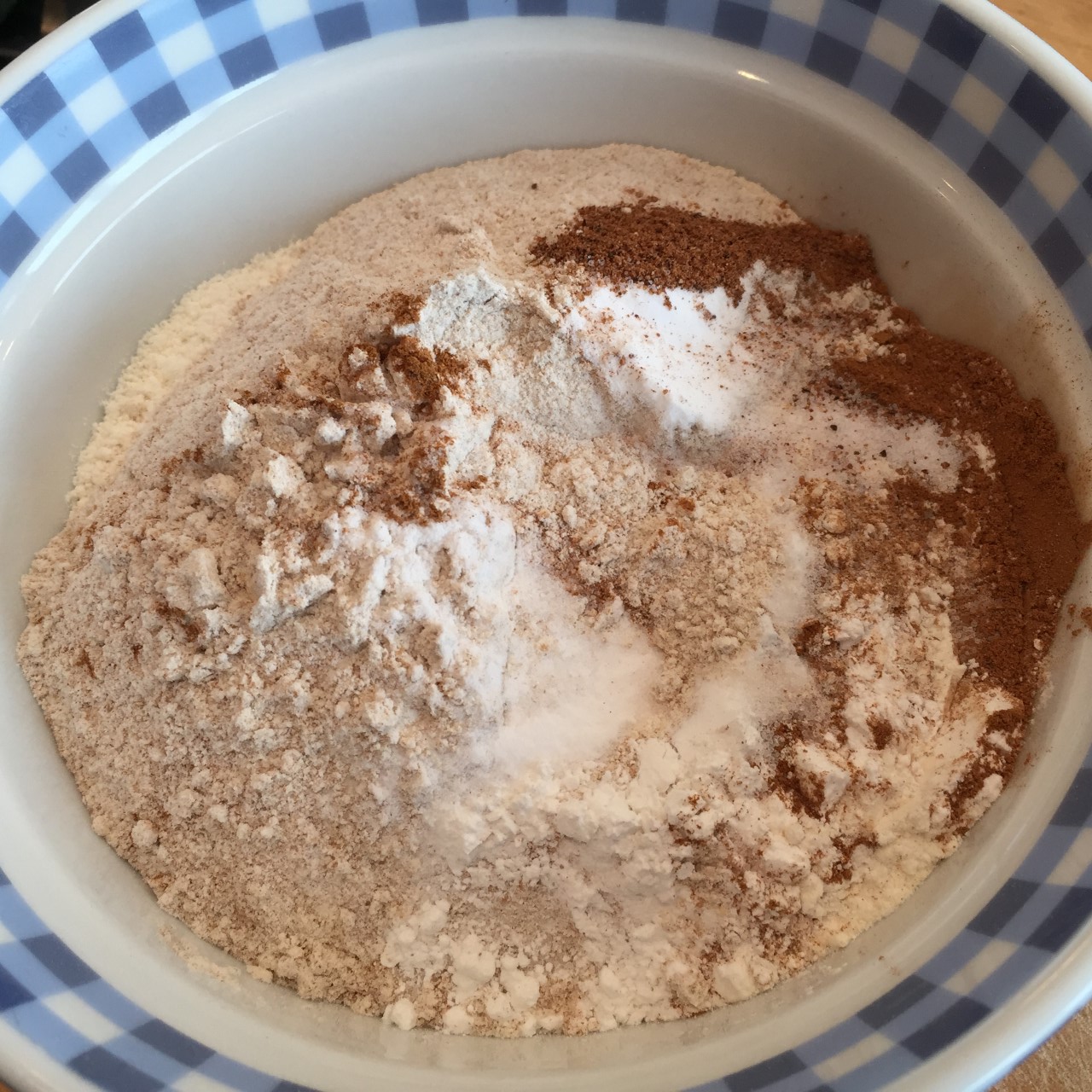
 Pour in the dry ingredients and gently blend until the flour is incorporated – there can be some flour showing. (Over mixing quick breads can lead to a tough loaf.)
  Pour batter into an oiled metal (or glass, if you don’t have metal) loaf pan and smooth top.
  Bake 60-70 minutes (mine took 65 minutes), until a toothpick comes out clean.
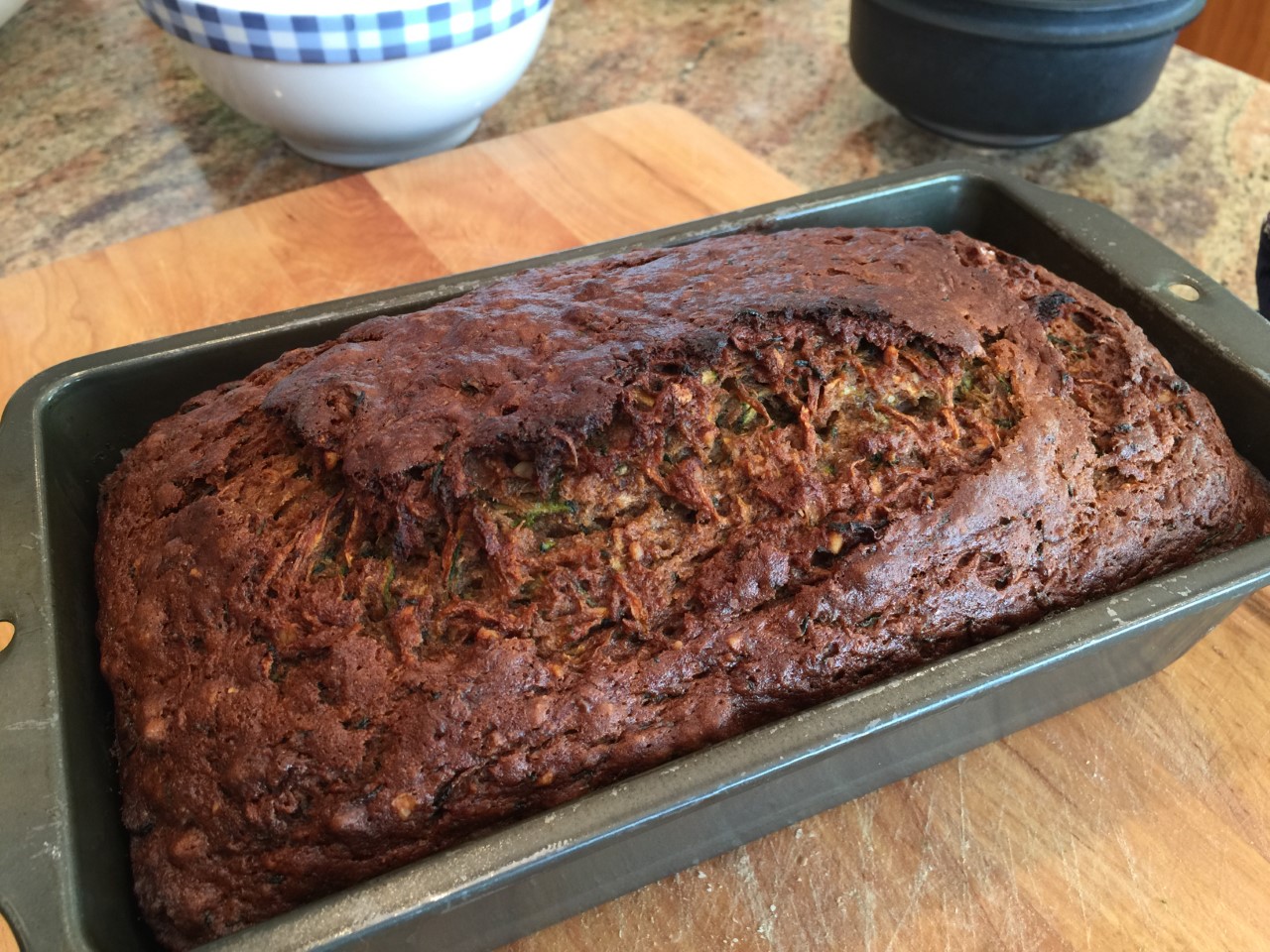 Let sit in the pan for 20 minutes before removing to a wire rack.
 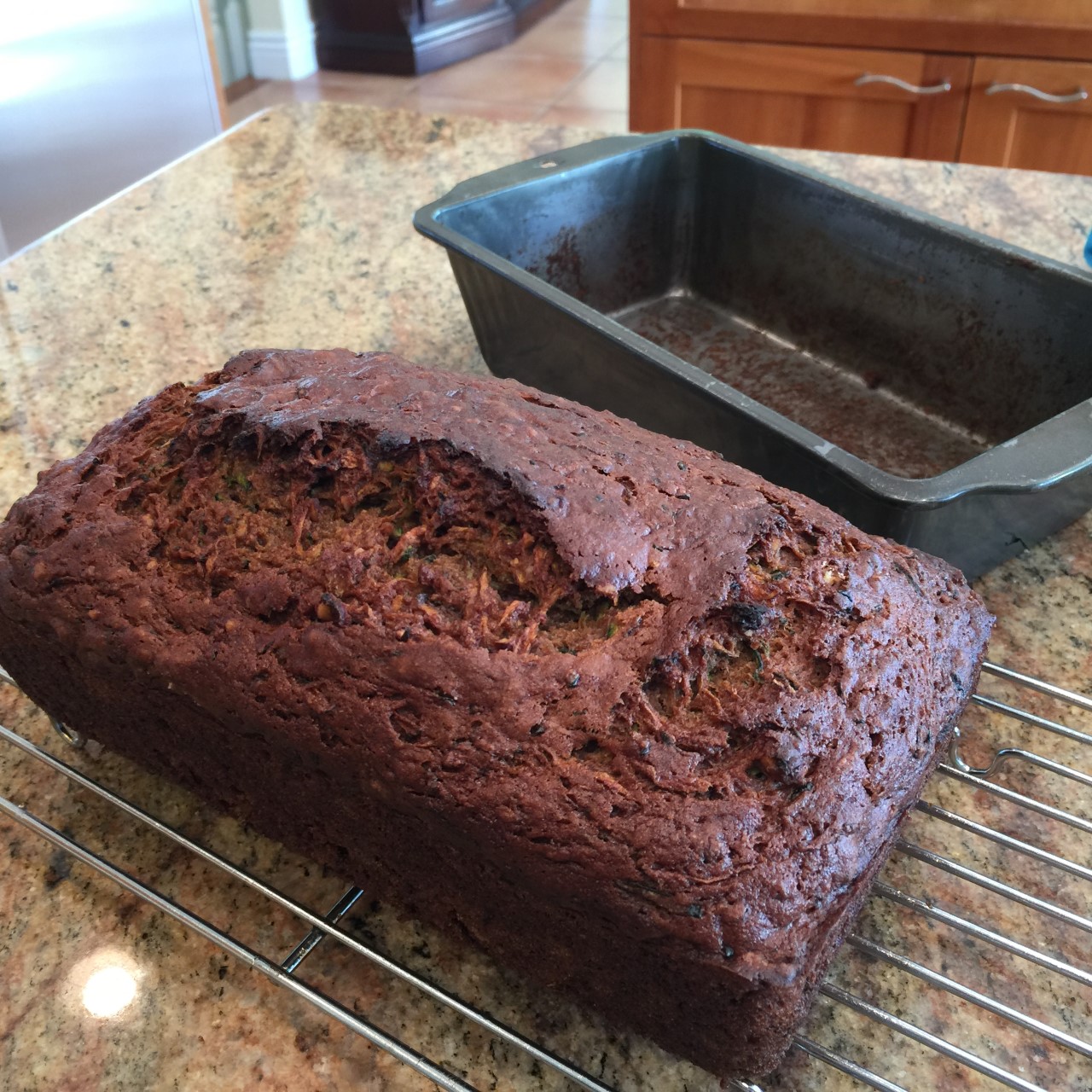 The loaf needs to cool at least 1½ hours to firm up before slicing. Honestly, try and restrain yourself – you’ll get nicer slices if you wait.
 Summer is the time when vine ripened tomatoes are plentiful. If you’re lucky, these red beauties are growing in your own garden. (I’m so jealous!)
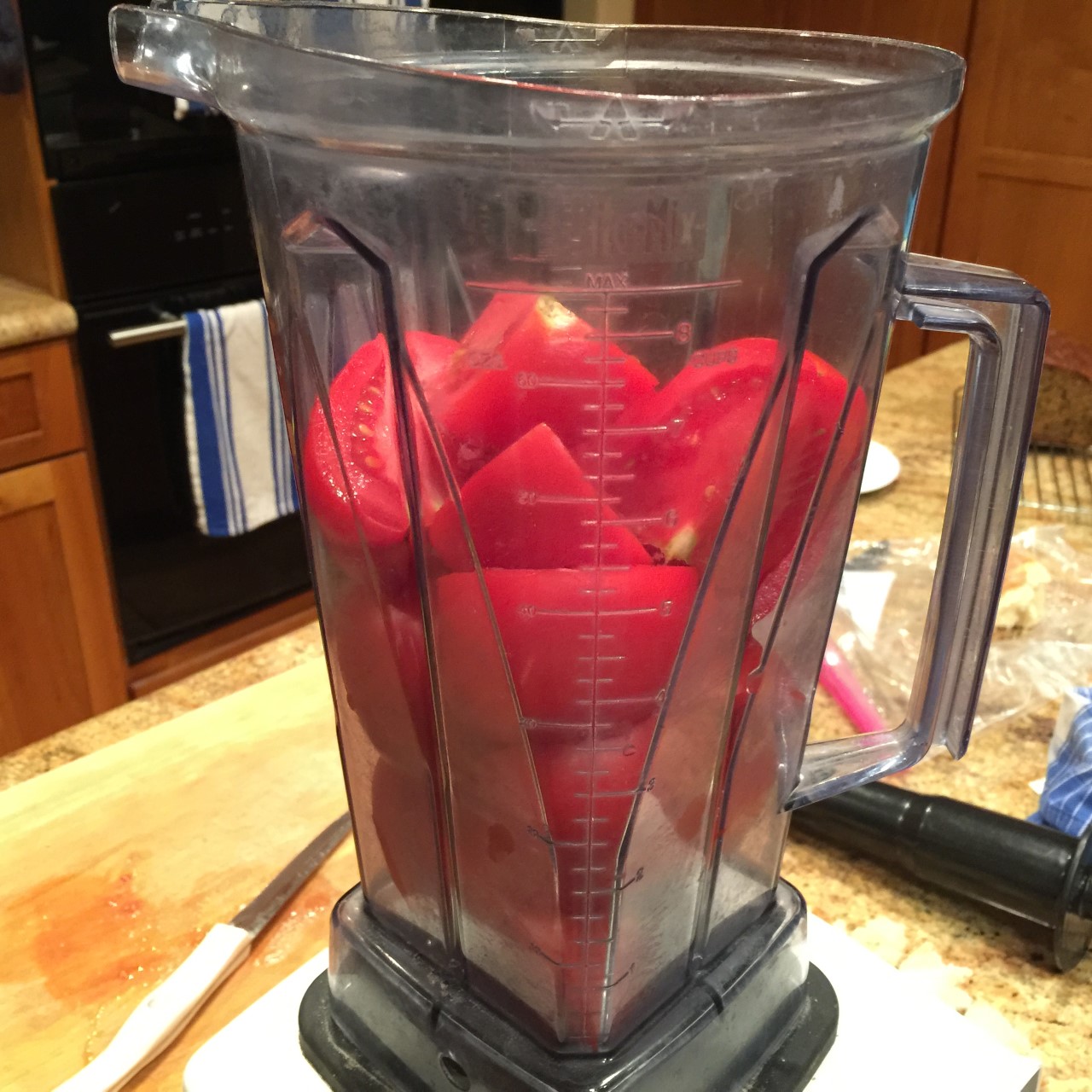 Purée tomatoes. Place a large sieve over a bowl and pour in the tomatoes.
 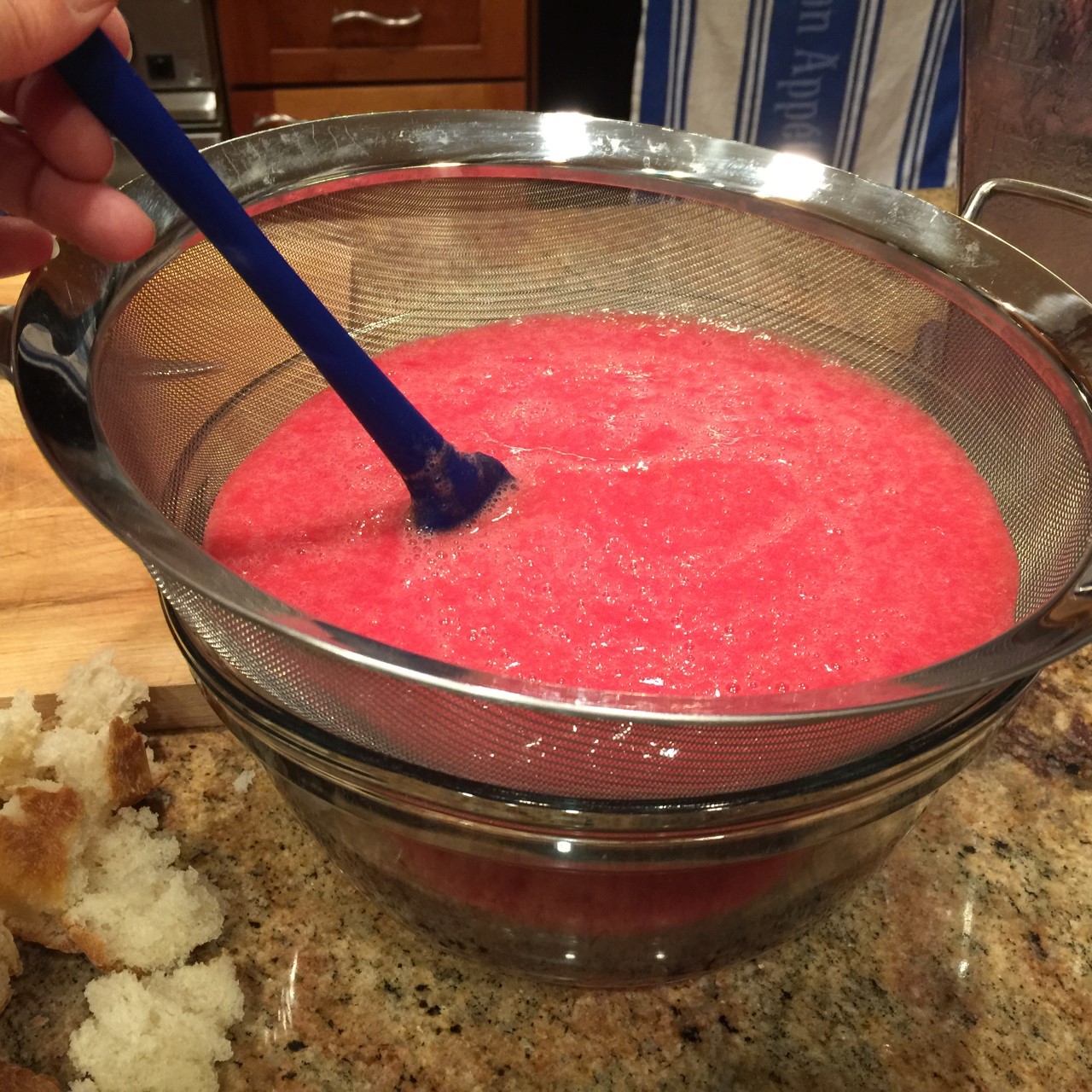 Using a spatula or large spoon, slowly stir the purée until all that remains in the sieve is a pulpy mash – this can take 5-10 minutes. Discard mash into your compost pile or down the drain.
 Put about 4 cups of the bread into the empty blender. Pour the strained tomatoes back into the blender. Let set for about 15-20 minutes to wet and soften the bread.
 Add in the garlic, salt, olive oil, and vinegar. Blend until puréed. Add in more bread to thicken, as needed.
 Taste and adjust seasoning. Serve either chilled or at room temperature, topped with chopped hard boiled eggs.
 I’ve almost never found a potato recipe I didn’t like. My love of potatoes (and chocolate) are most likely passed down from my Irish mam. While baked, hashed browns, mashed, and braised are all delicious, roasting potatoes kicks it up a notch making them one of my favorites.
 Bring to a boil, cover, and simmer for about 5 minutes – until there’s a little resistance when you poke the centers with a sharp knife. (You don’t want to fully cook them at this point.)
 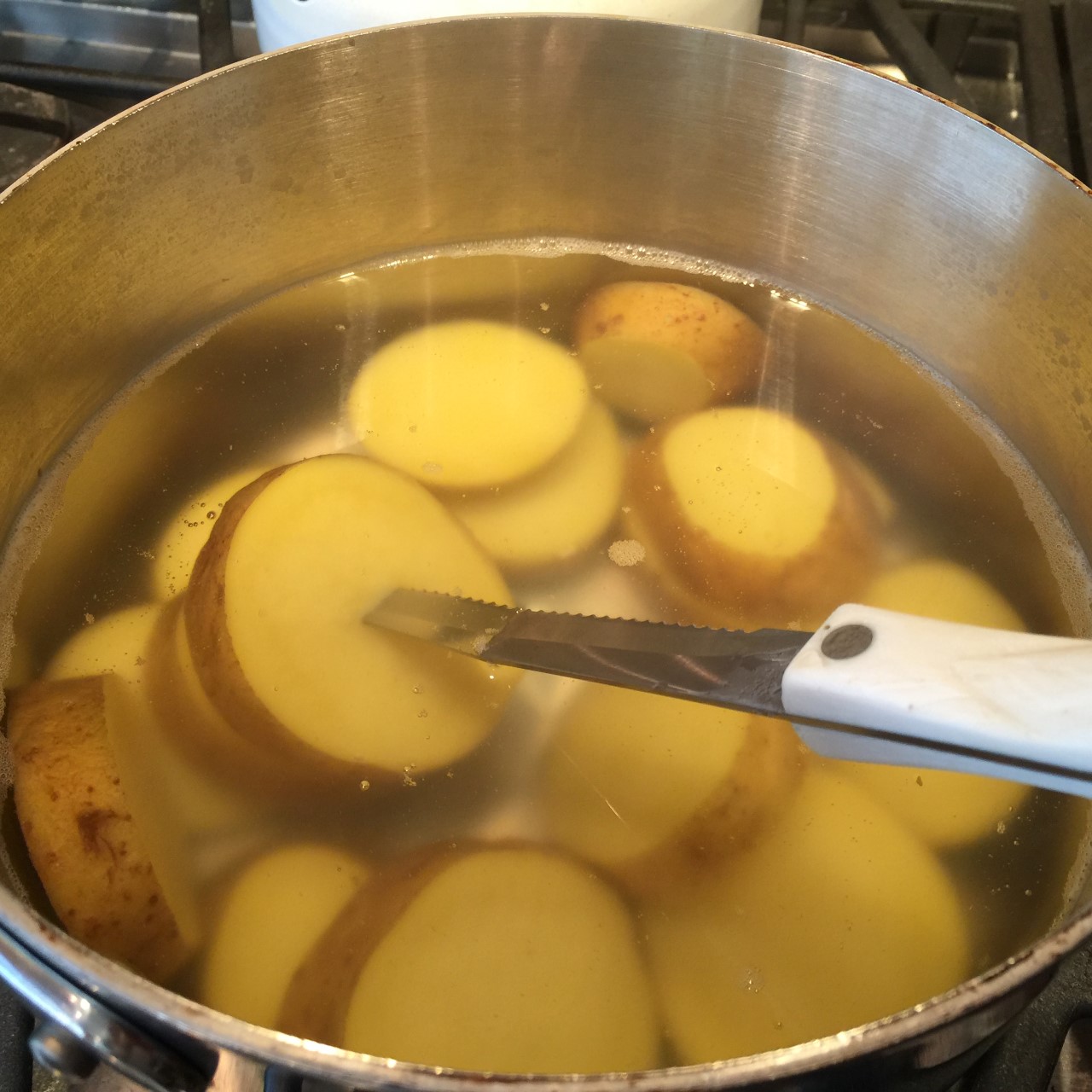 Drain potatoes
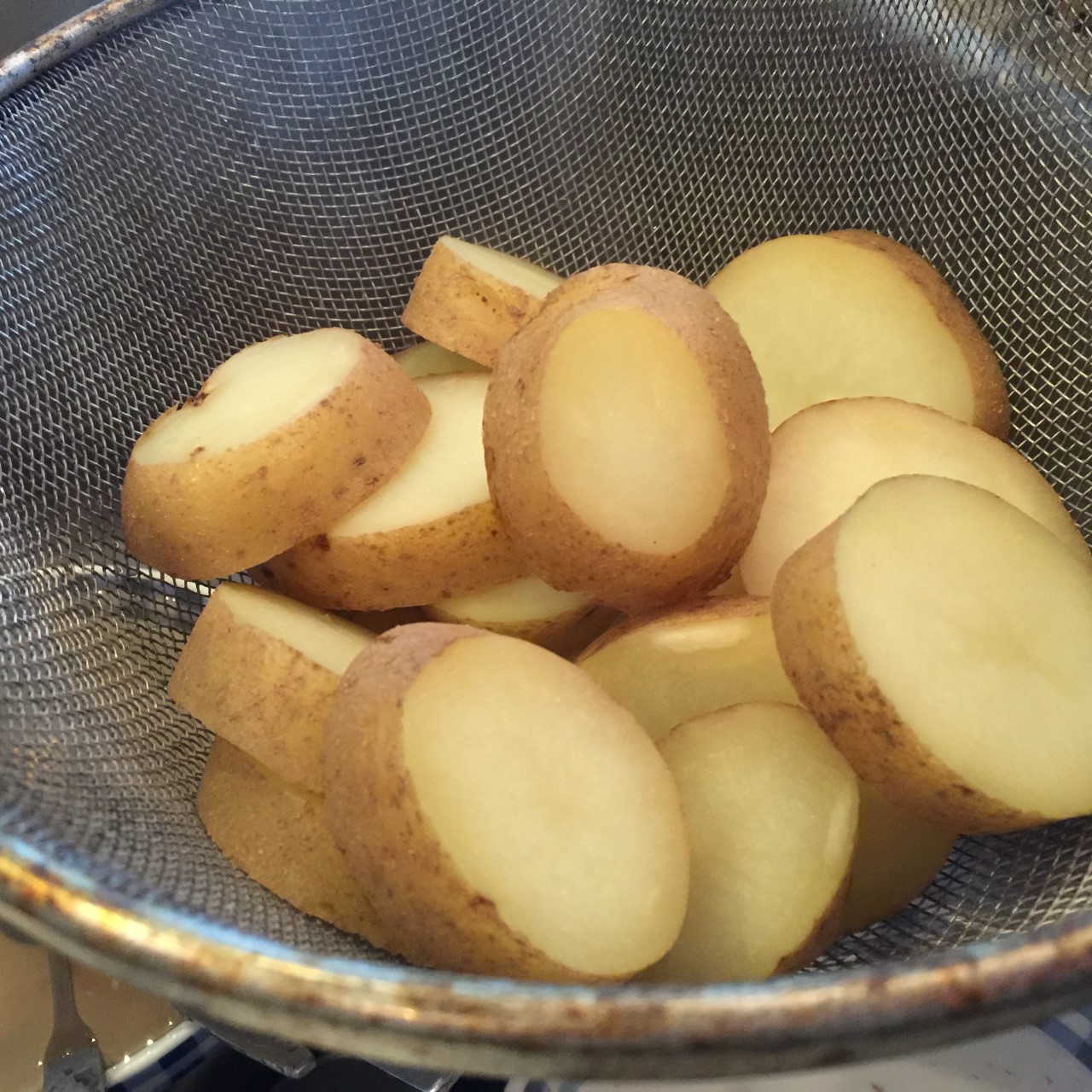 then empty them into a large bowl. Add in the salt and vegetable oil. Gently blend.
  Pour potatoes onto a rimmed baking sheet, making sure you scrape out all of the oil. Lay all the potato discs flat, spreading the oil under each piece.
 Bake at 425º F for 15-20 minutes, until bottom is well browned. Flip potatoes and bake for another 10-20 minutes, until both sides are well browned.
 Remove from oven and sprinkle with parsley, if desired. Serve immediately.
 Pasta Carbonara is a delicious meal, but is often overlooked by vegetarians since it generally contains pancetta or bacon. Also, it contains raw eggs, which can cause salmonella fear.
 After 5 minutes, begin stirring now and then until liquid has evaporated and mushrooms have browned – about 5 minutes.
 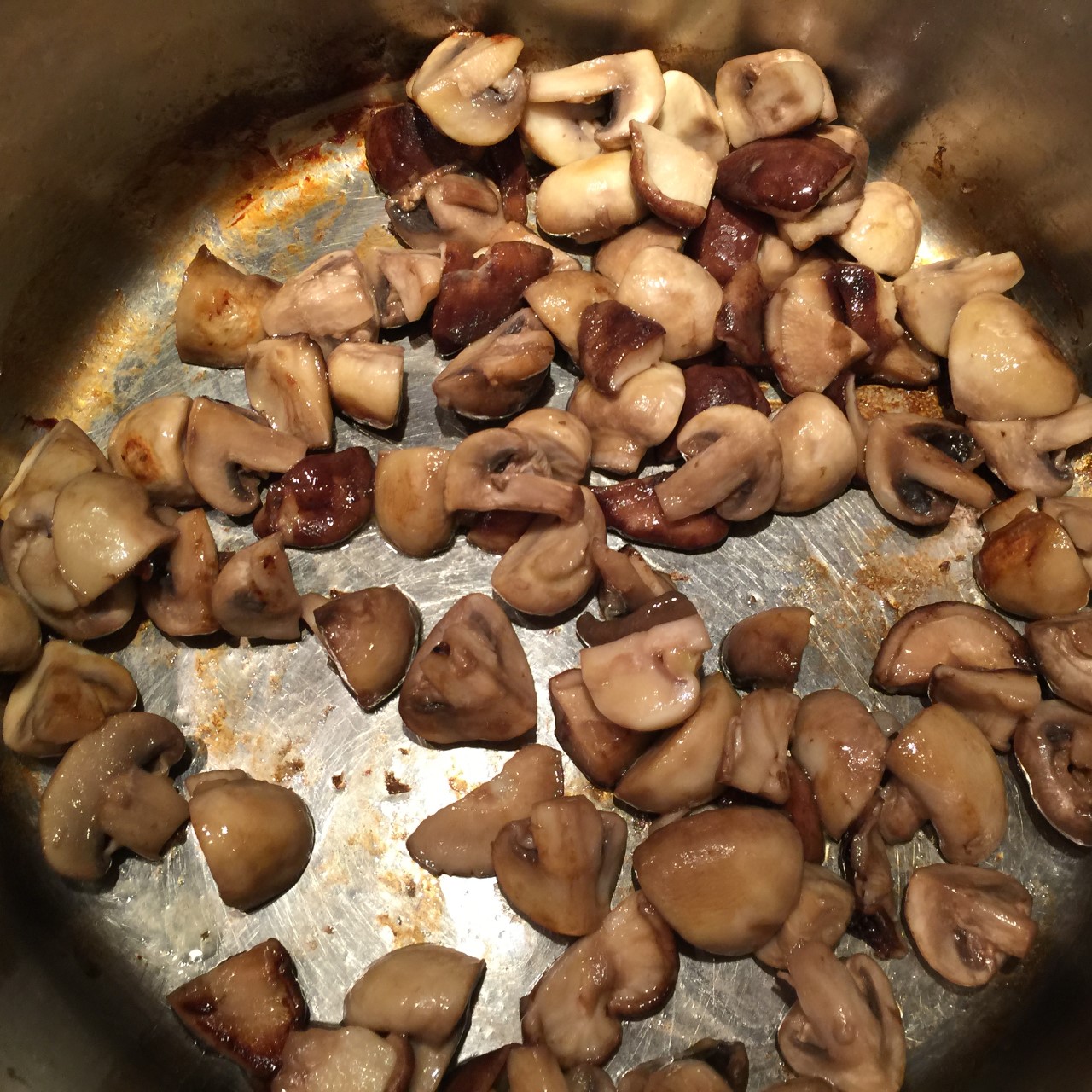 Add in shallots and garlic, cooking another few minutes – just before shallots begin to brown.
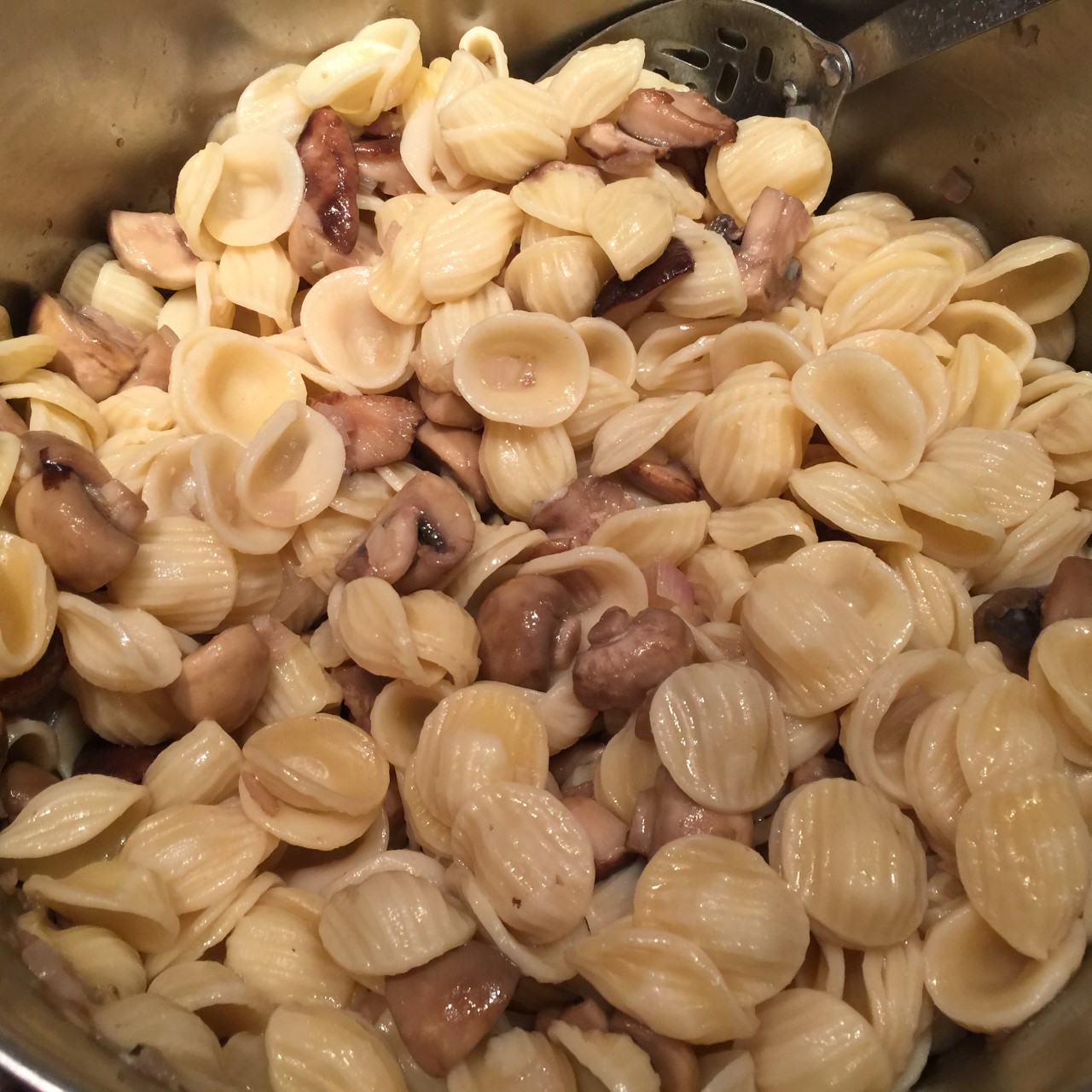
 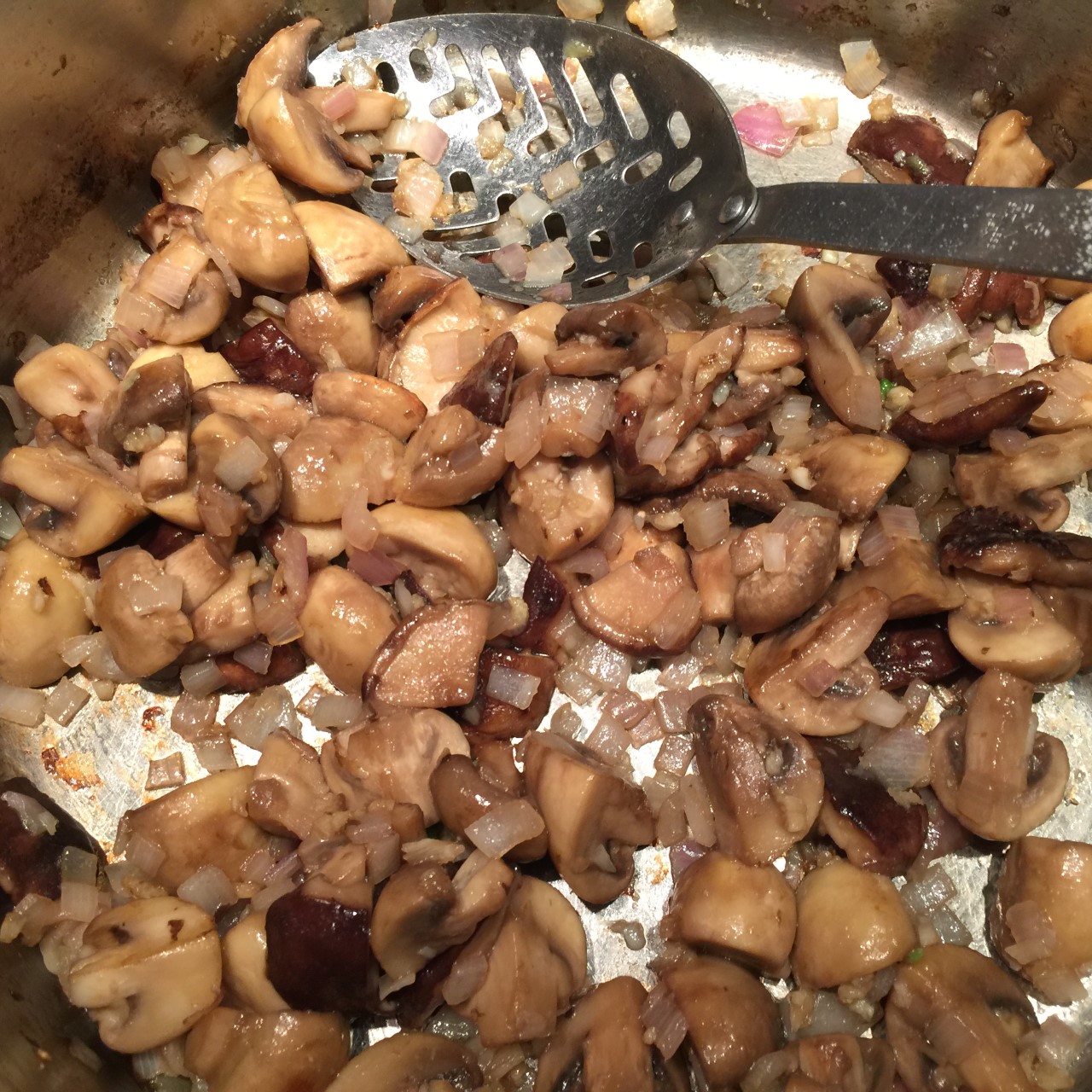 Stir in the 1 tsp kosher salt, cooked pasta, and 1 cup of the reserved pasta water. Remove pot from heat source and let cool about 5 minutes.
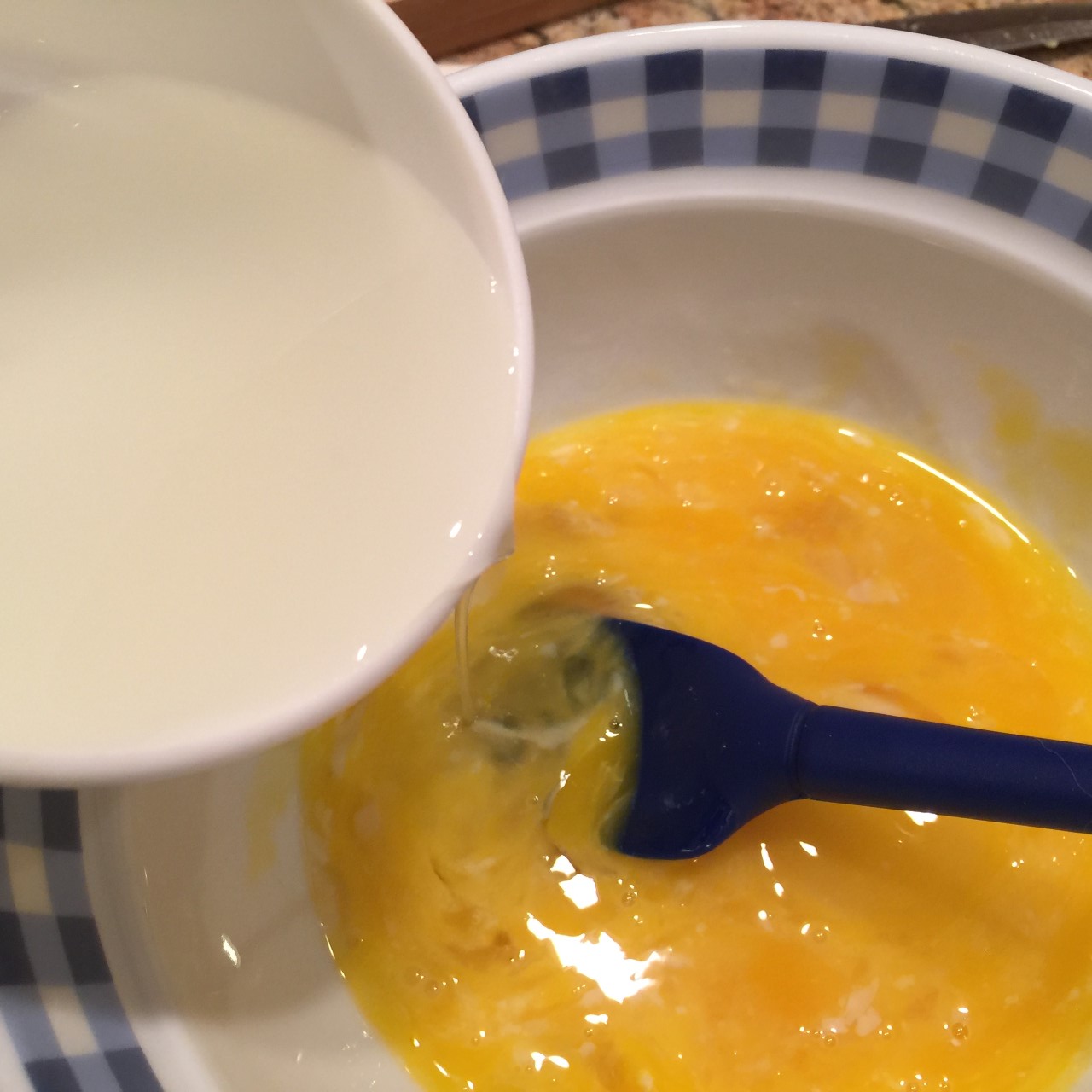
 Separate the yolks from 5 of the eggs and beat these yolks together with the whole egg. As you’re beating the eggs, slowly drizzle in 1/2 cup of the pasta water, stirring constantly – this will temper the eggs.
  Then slowly pour the eggs into the pasta mixture, stirring constantly.
  Stir in the pepper, Pecorino-Romano, and the parsley.
 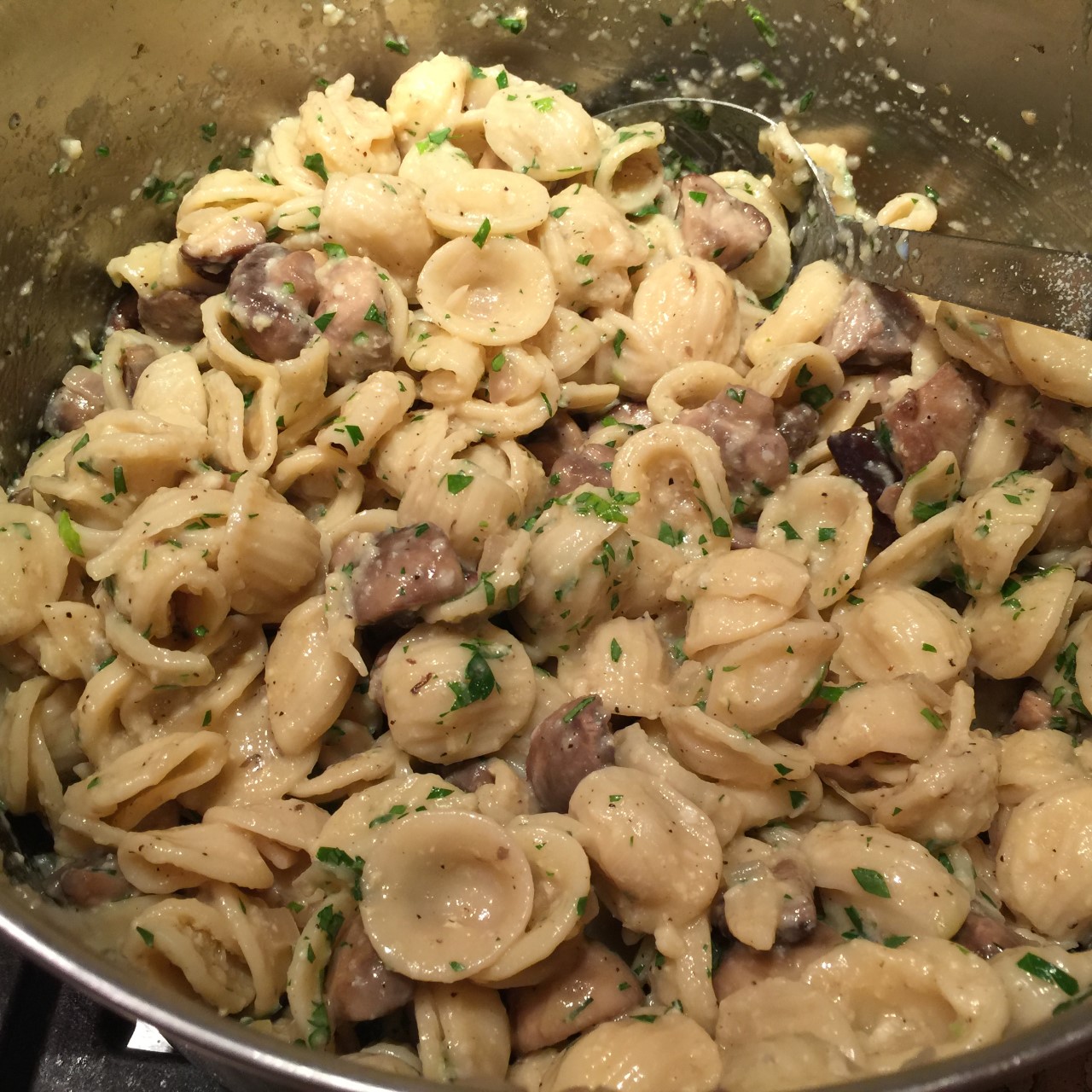 Turn burner to very low and continue to stir in order to heat pasta for serving, taking care not to scramble the eggs. If mixture is too thick for your liking, loosen it up with remaining pasta water.
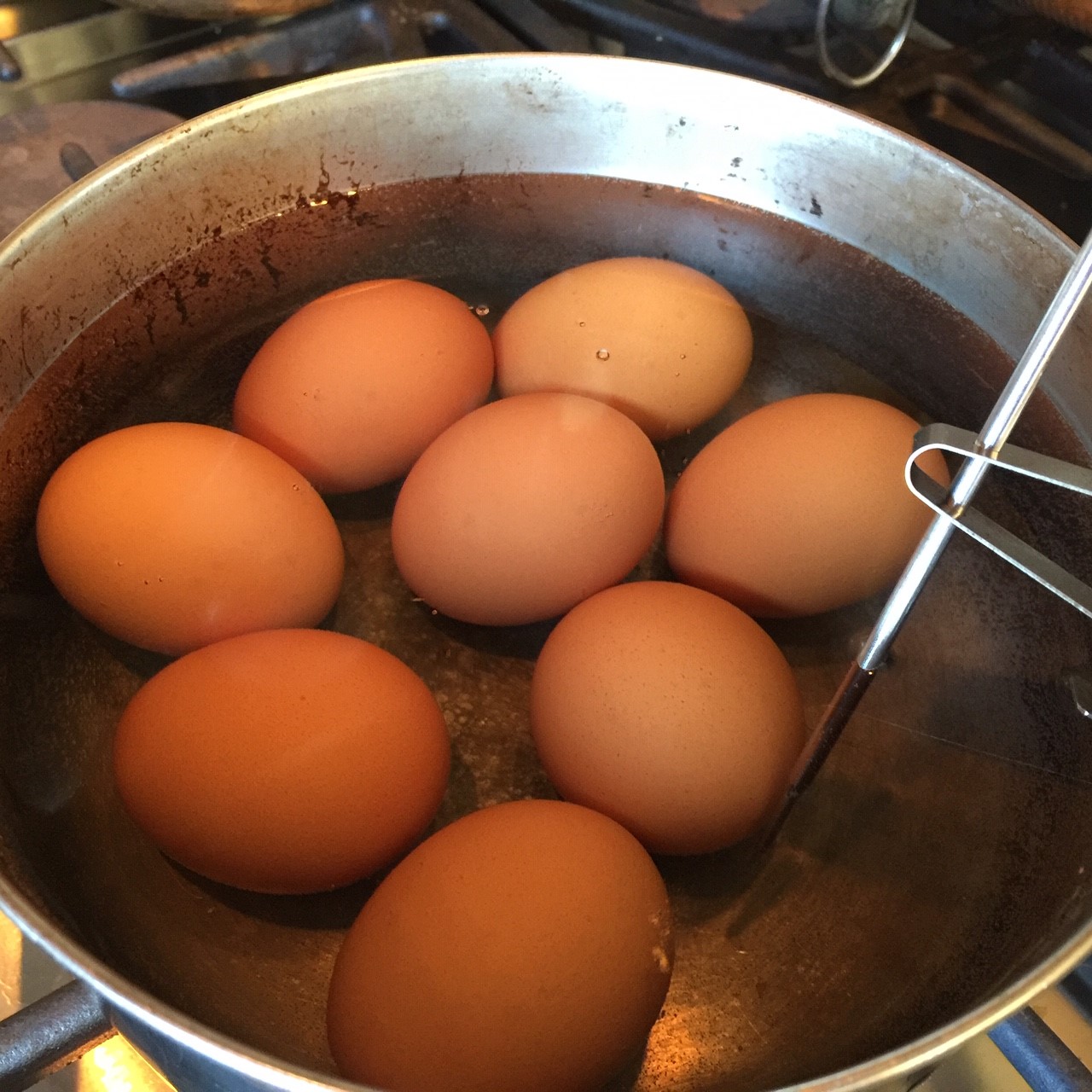 Heat saucepan until water reaches 140º Fahrenheit. Maintain 140º for 3 minutes for large eggs and 5 minutes for extra large eggs. (You’ll probably have to turn off burner all-together to maintain the temperature.)
  Remove pan from heat source and immediately remove eggs to the ice bath for about 5 minutes. This will stop the cooking process.
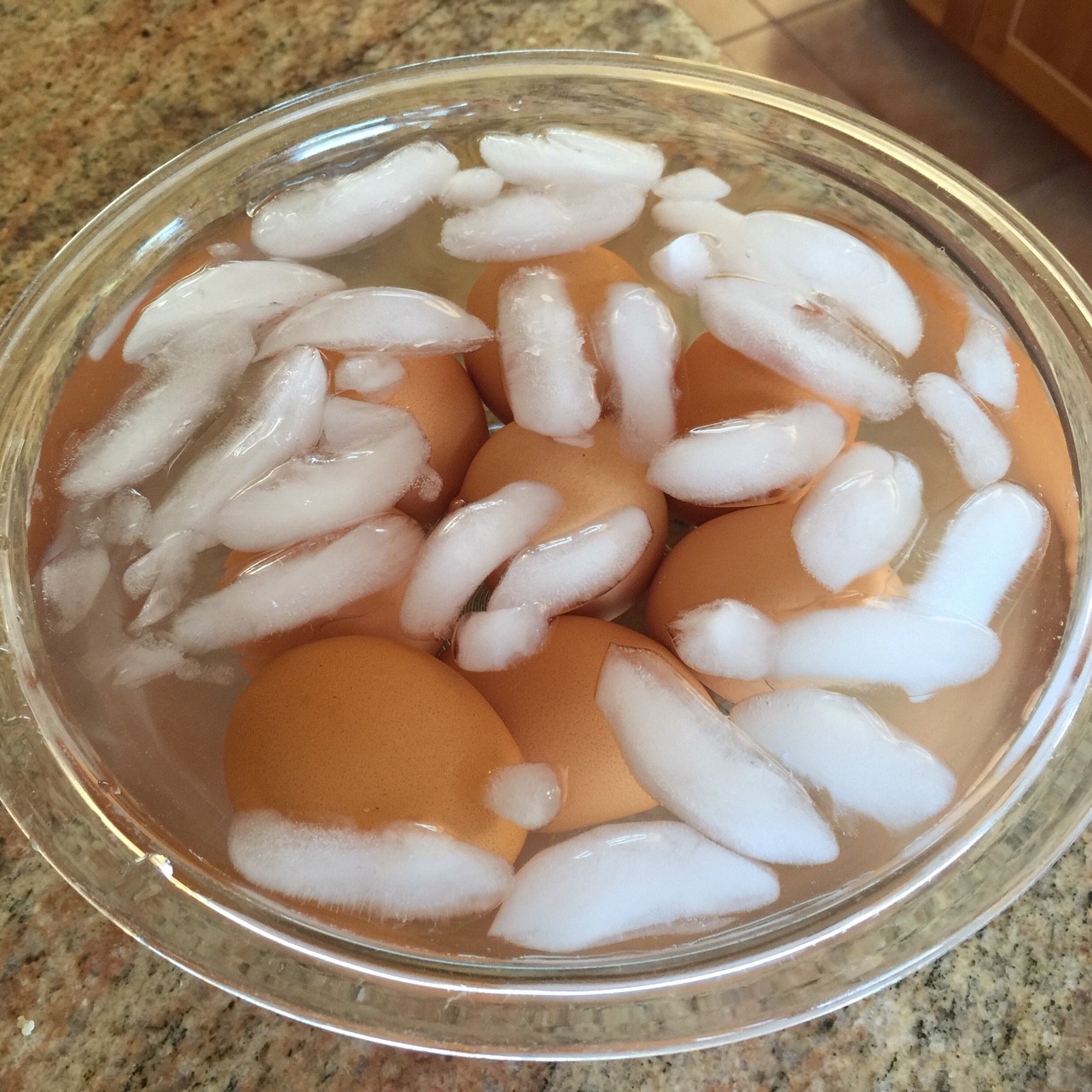 Remove eggs from ice water and refrigerate until needed. Make sure you mark them somehow so they don’t get confused with unpasteurized eggs.
 It’s summer party time and that, of course, means food – particularly finger foods to snack on. Yes, we all love our onion dip, guacamole, salsa, and bean dip. But isn’t there room for something new?
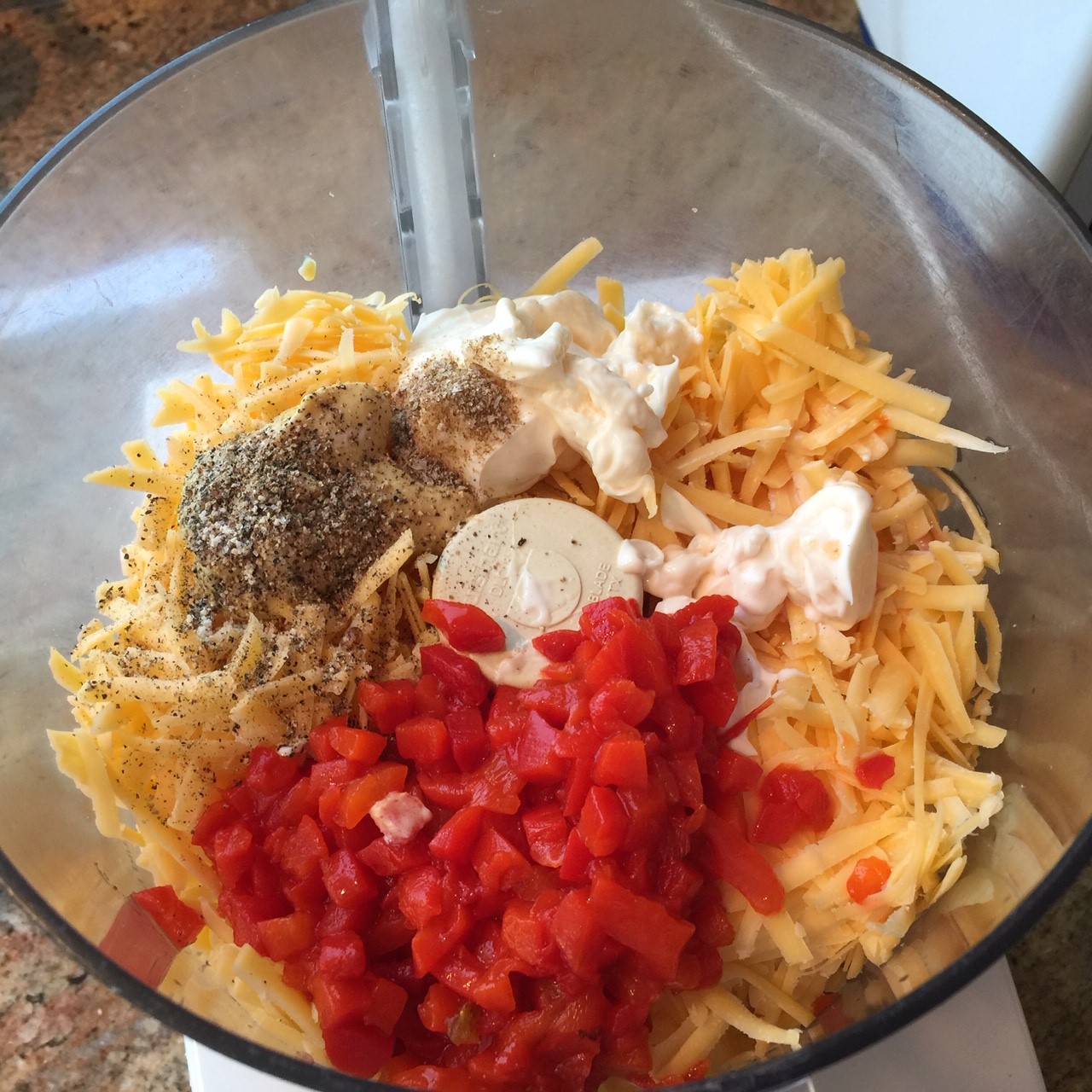 Pulse until blended, but not pureed – you want some chunkiness to the dip. Scrap down sides of bowl, as needed when you pulse.
 You can serve dip as it, or heat it in the microwave for a total of 2 minutes, stopping every 30 seconds to stir. Serve with a substantial chip such as bagel or tortilla chips.
 Vegetarian Cooking For Carnivores BLOG